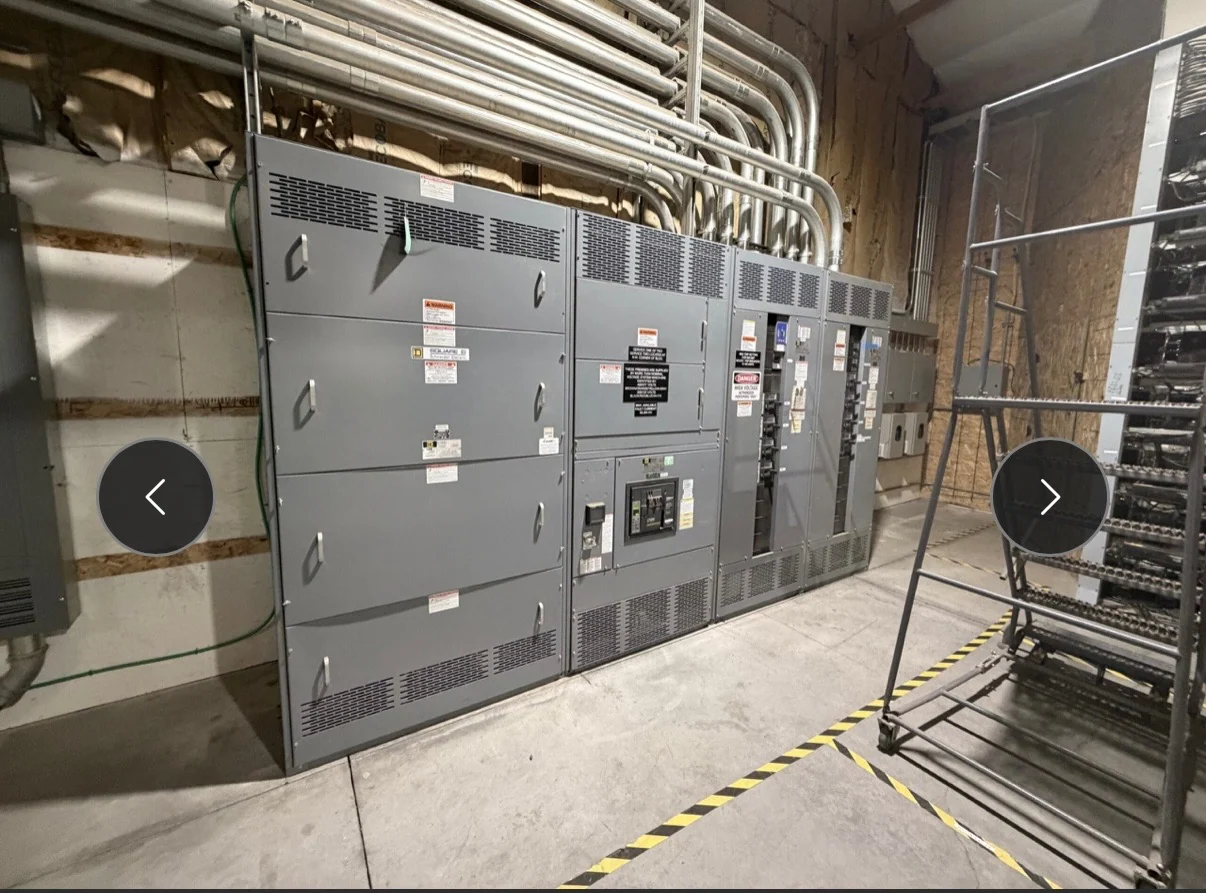
Why Bus Bracing Matters
Switchgear bus bracing supports the conductors and their insulating supports when fault current produces powerful electromechanical forces. The design question is not simply whether a bus has enough ampacity for normal operation; it is whether the complete assembly can keep conductors, joints, supports, and clearances in their intended positions for the specified short-circuit withstand duty. A useful switchgear specification therefore treats bus support as part of the assembly design, not as an isolated accessory. Mechanical adequacy must be considered alongside insulation, heat dissipation, access, and the enclosure’s structural behavior so one improvement does not create a new constraint elsewhere.
Start With the Electrical Duty
Before a manufacturer lays out supports, the project team should establish nominal voltage, phase arrangement, frequency, available fault current, duration or withstand requirement, grounding method, and the applicable equipment standard. The engineer should distinguish the assembly short-circuit withstand or short-circuit current rating from an individual breaker interrupting rating. Those values interact, but they answer different questions. The final bus-bracing arrangement must be based on the project’s documented duty and protection assumptions.
Conductors, Supports, and Spacing
A bus-bracing review considers conductor material and geometry, joint locations, support type, support spacing, phase-to-phase separation, phase-to-ground clearance, and the way force transfers into the enclosure structure. Changes in bus width, thickness, layering, or routing can alter both thermal behavior and mechanical response. Connections also deserve attention: bolted joints, splice locations, flexible links, and transitions to incoming or outgoing devices should remain accessible and mechanically supported without compromising required clearances.
Configuration Changes Affect the Design
Main bus, vertical bus, feeder connections, bus ties, and shipping splits can each change the bracing problem. A lineup with a main-tie-main arrangement, for example, may require the team to examine fault paths and operating states separately rather than assuming one condition covers every configuration. Drawout devices, cable compartments, metering sections, and barriers can constrain support placement. Review the one-line diagram, elevation, sectional arrangement, and connection details together before approving a switchgear specification.
Documenting a Buildable Specification
A practical specification should identify the required electrical duty, bus material, conductor arrangement, enclosure environment, support and insulation expectations, connection interfaces, and documentation to be submitted for review. It should also identify assumptions that still need confirmation, such as utility fault data, protective clearing time, future sections, or a planned expansion. Clear information lets Switchgear Builders develop new custom switchgear to the project requirements, using American components and coordinating the physical assembly with the responsible engineer and installer.
Inspection and Project Verification
Inspection should verify that the manufactured assembly matches the approved arrangement: supports are installed at the intended locations, fasteners and joints are addressed by the project instructions, conductors are properly positioned, and clearances remain consistent with the design. Dimensional checks and document review can catch mismatches before shipment. Any required electrical or mechanical verification should be defined by the project team, with acceptance criteria, witness points, and records agreed before fabrication rather than assumed after delivery.
Planning Delivery and Installation
Bus bracing details continue to matter after fabrication because shipping sections, lifting points, field joints, and installation sequence can affect how a lineup is reassembled. The equipment package should identify section interfaces, connection hardware, orientation, and any field activities requiring qualified personnel. Switchgear Builders manufactures and supplies new equipment in the United States and ships nationwide; the destination, packaging, access route, freight responsibilities, and receiving inspection should be coordinated for each project without assuming a particular transit schedule.