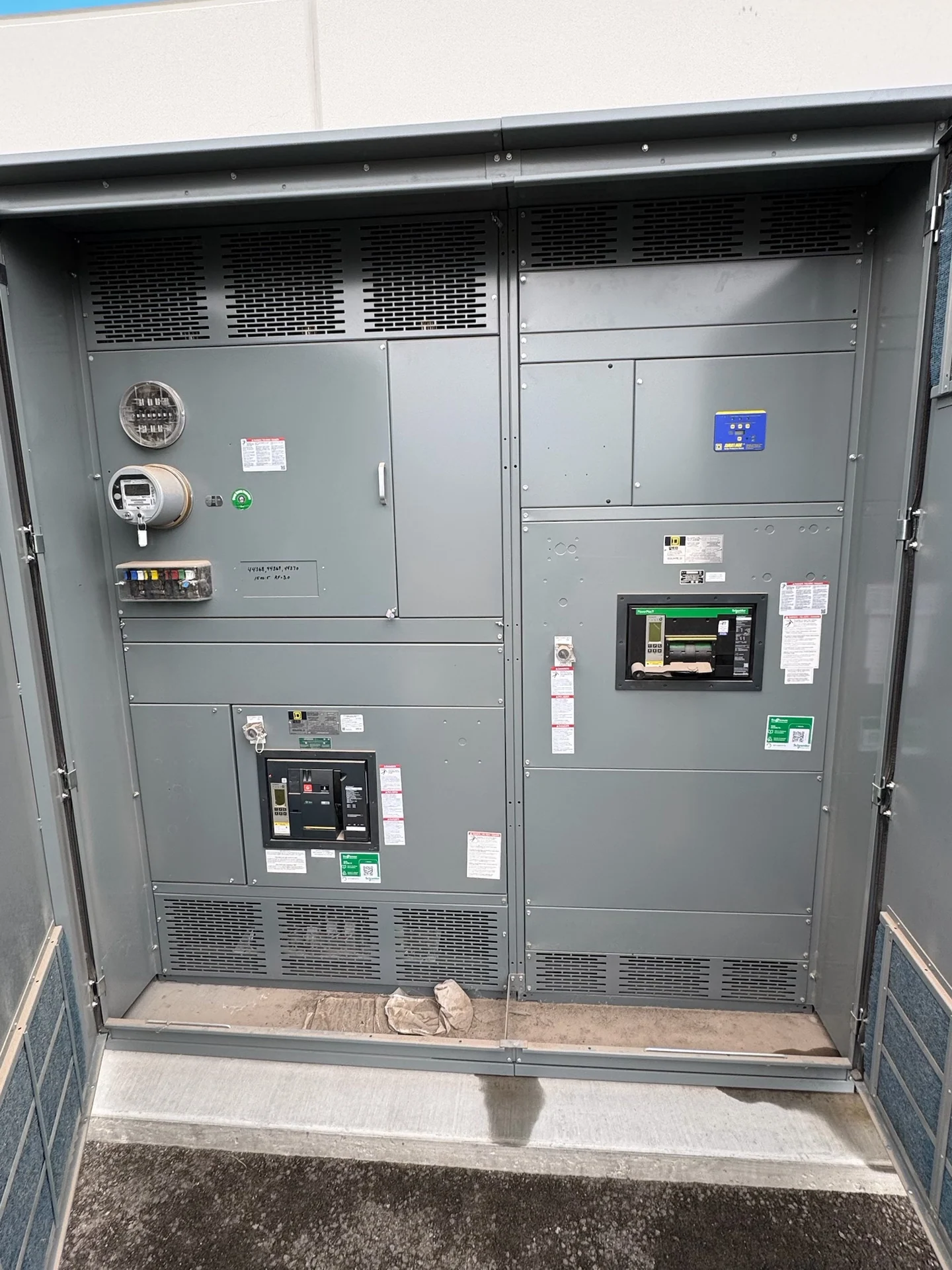
Start With the Electrical Duty
Copper and aluminum bus conductors can both be appropriate for a new switchgear assembly, but the choice should follow the electrical duty rather than a material preference made in isolation. Begin with system voltage, continuous current, short-circuit withstand requirements, phase arrangement, frequency, grounding method, and the intended enclosure. A manufacturer building custom switchgear can evaluate those inputs alongside the one-line diagram and protective-device schedule. The resulting design should account for temperature rise, conductor geometry, support spacing, joint construction, and the project specification as a coordinated package. Comparing only the metal price can obscure the effect of bus size, connection hardware, fabrication, shipping weight, and installation interfaces on the complete equipment scope.
Copper: Compact Conductive Paths
Copper is often considered when a project values high conductivity in a relatively compact conductor path, dense equipment layouts, or familiar termination practices. That does not make copper automatically superior; the required cross-sectional area, allowable temperature, joint details, and assembly construction still require engineering review. Copper bus may influence compartment dimensions, bending clearances, support placement, and access around bolted connections. Its mass and material value also belong in lifting, shipping, and handling planning. For a custom build, provide the desired current rating and physical envelope, then ask the manufacturer to show how conductor dimensions, supports, barriers, and connection points fit the approved layout.
Aluminum: Size, Weight, and Connections
Aluminum can be attractive when conductor weight, material economics, or a particular fabrication approach matters, yet its lower conductivity by volume may require a different bus cross-section than an equivalent copper design. The larger section can affect enclosure depth, bend radius, clearances, support arrangement, and the path to incoming or outgoing cables. Connections deserve special attention: compatible terminals, joint surfaces, preparation, hardware, and tightening practices should be defined in the equipment documentation and coordinated with the installation team. A manufacturer should review aluminum bus as part of the complete assembly, not as a simple substitution after dimensions and interfaces have already been approved.
Connection Design Is as Important as Metal
Bus performance depends on the connection system as well as the conductor material. The design review should identify every bolted joint, splice, breaker connection, cable landing, transition, and bonding point, including the materials that meet at each interface. Engineers and installers should align on surface treatment, joint compounds where specified, hardware selection, access for torque verification, and documentation of the installation method. Thermal expansion, vibration, maintenance access, and the possibility of dissimilar-metal interfaces may affect the detail. These questions are especially important when a project replaces an existing lineup footprint or connects equipment from different design generations.
Space, Heat, and Installation Interfaces
The conductor decision can change the physical design of the switchgear. Bus dimensions influence phase spacing, insulation or barriers where applicable, ventilation paths, cable entry, door and panel clearances, and the room-side working arrangement. Larger aluminum conductors may require more volume, while copper may support a compact route but add weight; neither conclusion can be assumed without the specified duty and construction. Share room drawings, cable schedules, termination details, lifting constraints, and access routes during design coordination. The manufacturer can then develop a practical enclosure and shipping split that respects the electrical arrangement and the qualified installation plan.
Specify the Choice for a New Custom Build
A useful switchgear specification should state whether copper, aluminum, or an approved project-specific alternative is required; it should also define current, voltage, fault duty, conductor arrangement, connection interfaces, enclosure conditions, drawings, inspection points, and test documentation. If the specification permits either material, request a clear basis of design so reviewers can compare dimensions, joints, mass, maintenance access, and commercial inclusions consistently. Switchgear Builders manufactures new specification-built electrical switchgear in the United States with American components and nationwide shipment. Project applicability of UL 891 and any listing or verification must be confirmed for the specific assembly before it is treated as a requirement or deliverable.