Start With the Existing Distribution Record
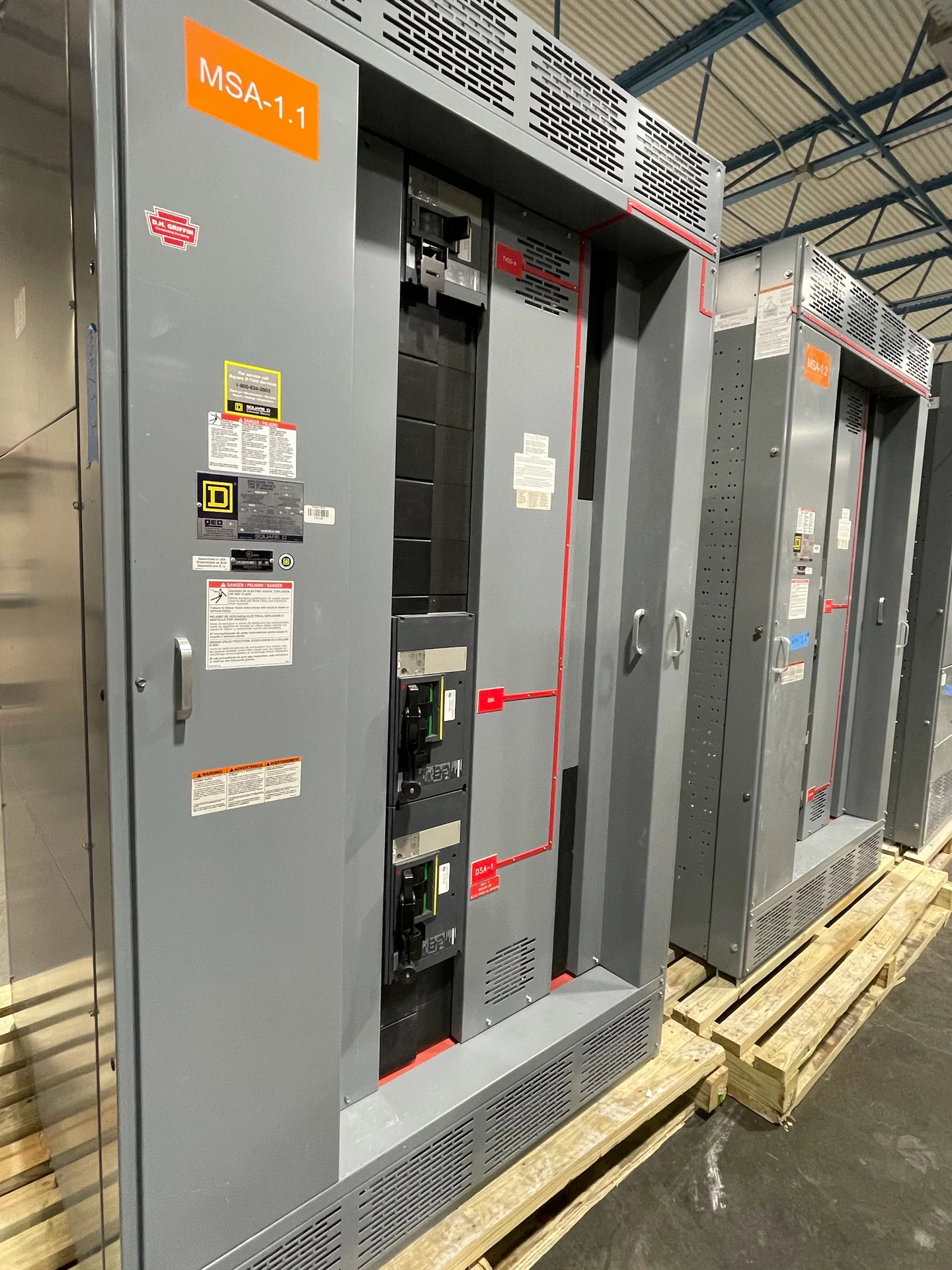
A sound switchgear replacement plan begins with a factual record of the distribution system that the new assembly must serve. Gather the latest one-line diagram, nameplate information, feeder schedules, protective-device data, available fault-current study, grounding method, phase and frequency, photographs, and maintenance observations. Identify which sections are service equipment, mains, ties, feeders, metering compartments, control circuits, or interfaces with generators and transfer equipment. If drawings conflict with field conditions, flag each discrepancy for engineering review rather than guessing. This information gives a manufacturer a defensible starting point for a custom new switchgear design and helps the project team distinguish electrical requirements from physical assumptions.
Define Ratings and Functional Requirements
Replacement planning should convert operating needs into an equipment schedule, not simply copy the dimensions of the lineup being removed. Confirm nominal voltage, continuous current, short-circuit duty, bus arrangement, feeder quantities, conductor entry, protective-device functions, metering, control power, communications, interlocks, and grounding provisions. Review load calculations and future circuit needs with the responsible electrical engineer. A main-tie-main arrangement, generator interface, or selective coordination objective can change the lineup layout and control scheme substantially. Switchgear Builders manufactures new electrical switchgear in the United States, custom to project specifications, with American components and nationwide shipping; the final configuration remains subject to project engineering and applicable requirements.
Check Footprint, Access, and Installation Interfaces
Physical fit is often the limiting factor in a replacement, especially when the electrical room, doorway, housekeeping pad, cable trench, or overhead route cannot change. Record the available wall and floor dimensions, working clearances, lifting path, door swings, removable panels, ventilation conditions, cable-bending space, and anchorage points. Compare those constraints with the proposed lineup shipping splits and field-connection method. Measure adjacent transformers, busway, conduit, and control panels that must remain in service. A custom builder can use these inputs to coordinate enclosure dimensions and interfaces before fabrication, while the installation team can identify demolition, rigging, and temporary protection tasks that belong in the outage plan.
Plan Temporary Power and Continuity
An electrical distribution replacement may interrupt critical loads even when the new equipment is correctly designed. List loads that cannot tolerate an outage, loads that can be scheduled, and loads that can be reduced or isolated. Then evaluate temporary generators, alternate feeders, bypass arrangements, temporary distribution, fuel logistics, grounding, protection, monitoring, and qualified operating personnel with the project engineer and site team. Temporary power is not automatically equivalent to normal service: verify capacity, fault protection, phase rotation, transfer procedures, environmental exposure, and connection points. Document who controls each switching step and how load transfer will be confirmed before demolition or final energization.
Sequence Engineering, Submittals, and Outages
Replacement schedules should show dependencies, including drawing approval, equipment delivery, site readiness, and the planned outage. Allow time for site surveys, one-line and layout development, component selection, drawing review, control-logic clarification, manufacturing, inspection, shipping, rigging, installation, testing, and commissioning. Separate approval milestones from field outage milestones so a design question cannot silently become an outage risk. Build a switching narrative that identifies source isolation, lockout and verification, conductor removal, lineup installation, terminations, testing, and return to service. If UL 891 could apply to the proposed switchboard or switchgear assembly, confirm its applicability, construction requirements, and any project-specific listing or verification with the responsible parties before the design is finalized.
Prepare a Complete Replacement Quote Request
A useful request for a custom switchgear quote should include the project location, equipment type, electrical ratings, one-line diagram, lineup dimensions, feeder and cable information, environmental conditions, control and metering requirements, shipping constraints, documentation expectations, testing scope, and desired installation interfaces. Include clear exclusions and identify whether field engineering, rigging, installation, or commissioning is assigned separately. Send photographs and marked-up drawings when they explain access or connection details better than a written description. The manufacturer can then identify open technical questions, propose a buildable configuration, and provide commercial terms for new equipment and nationwide shipment without relying on assumptions about the existing installation.