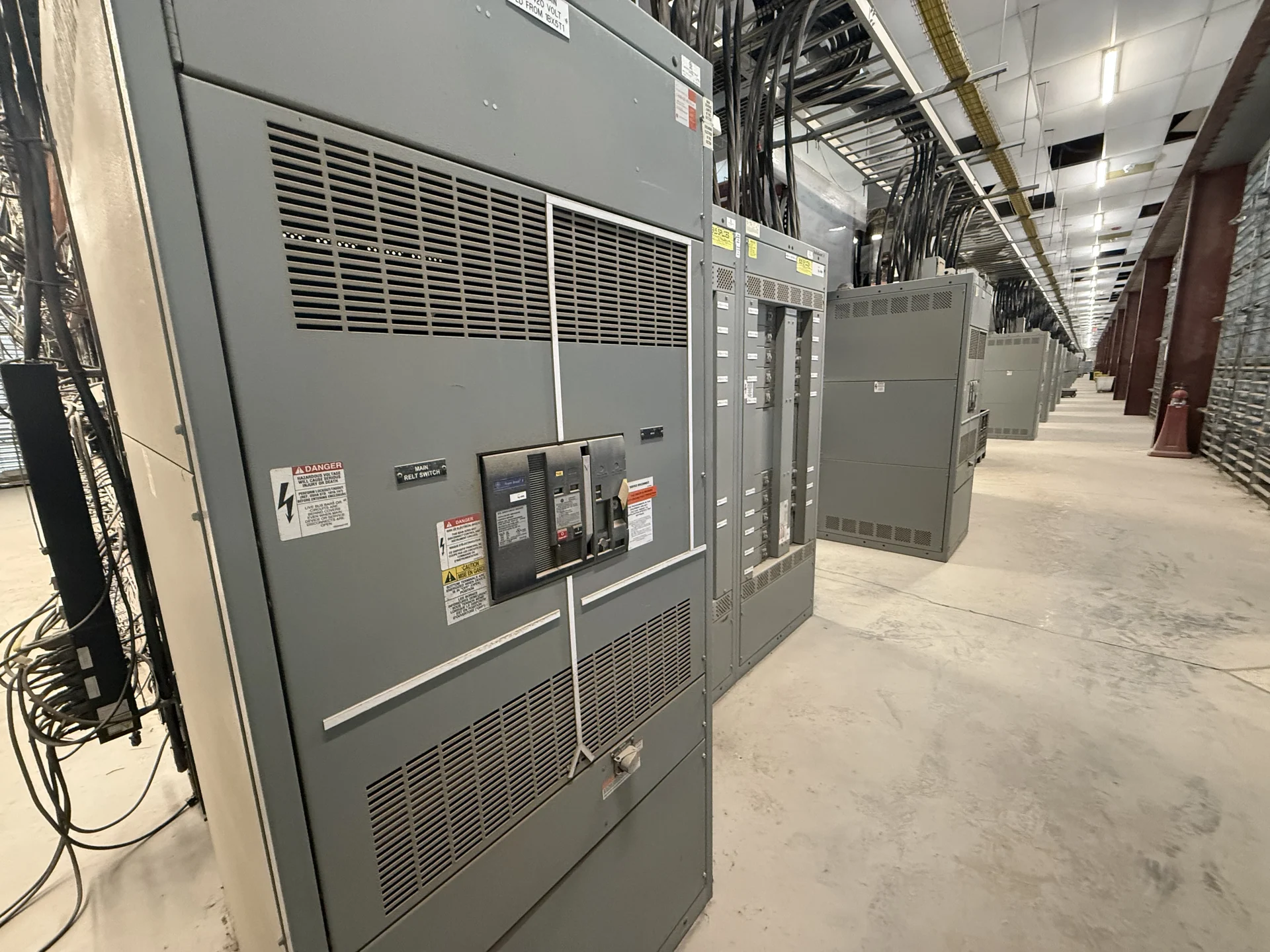
Documentation Starts with the Project Definition
A useful switchgear project documentation package begins before fabrication, when the electrical engineer, contractor, owner, and manufacturer agree on the equipment boundary. The starting set may include a one-line diagram, load schedule, system voltage and frequency, phase and wire arrangement, available fault current, grounding method, enclosure environment, physical dimensions, cable entry, and operating sequence. It should also identify mains, feeders, ties, metering, protective devices, controls, and communication interfaces. Clear assumptions make the equipment package easier to review and give Switchgear Builders the information needed to build new custom electrical distribution equipment to the stated requirements, using American components and shipping it nationwide from the United States manufacturer.
Drawings Turn Electrical Intent into Buildable Details
Submittal drawings translate the approved electrical intent into a physical assembly that installers can receive, position, connect, and inspect. A coordinated package commonly addresses the lineup elevation, overall dimensions, section widths, door swings, device locations, bus arrangement, cable compartments, gland or conduit areas, lifting provisions, anchor points, and required working space. One-line and schematic drawings should agree with terminal plans, wire numbers, device tags, and control descriptions. Reviewers should mark changes against a defined revision so that an updated drawing does not silently alter an interlock, feeder identity, source relationship, or maintenance access condition.
Device Data Supports Selection and Coordination
Device data connects each installed component to the electrical and operational requirements of the lineup. The package can identify manufacturer and model information where selected, continuous current, voltage class, interrupting or withstand duty as applicable, trip or protection functions, control voltage, auxiliary contacts, metering inputs, and communication details. These records allow the design team to compare the equipment schedule with the approved drawings and protective-device study. They also expose gaps early: for example, a breaker control voltage that does not match the available source, a metering transformer ratio that conflicts with the instrument plan, or a feeder device whose physical arrangement affects cable space.
Test Records Make Acceptance Traceable
Test documentation should describe what was checked, under which project criteria, with what instrument or method, and what result was recorded. Depending on the agreed scope, records may cover visual and dimensional inspection, wiring point-to-point checks, control-circuit continuity, insulation checks, mechanical operation, interlock sequences, metering indications, and functional simulations. A test record is more useful when it references the equipment identifier, drawing revision, test date, responsible party, exceptions, and resolution status. Acceptance criteria must be defined for the specific project; a generic checklist cannot replace the engineer’s requirements or the final review by qualified personnel.
Maintenance Information Should Match the Assembly
Maintenance information becomes practical when it reflects the actual delivered configuration rather than a generic equipment description. Include the final lineup identification, device schedule, wiring and terminal references, operating sequence, adjustment information supplied for the selected components, recommended inspection points, and precautions established by the responsible electrical professionals. Spare-parts identification and replacement instructions should correspond to the documented device data, while labels in the field should match drawing names and section numbers. If a project changes during review, the final record set should capture approved substitutions, revised settings, and any changed connection or control detail before turnover.
Build a Reviewable Turnover Package
A disciplined turnover package groups the final approved drawings, component data, test records, operating information, and maintenance material into a controlled record. The cover or index should state the equipment identification, project reference, revision status, and document list, while file names and section labels should remain consistent with the physical lineup. Before shipment, the purchaser and project team can verify that every requested document is present, that open comments are resolved or clearly assigned, and that the records describe the configuration actually built. For a custom switchgear quote, providing the documentation scope early helps align engineering effort, review responsibilities, applicable requirements, and delivery expectations.