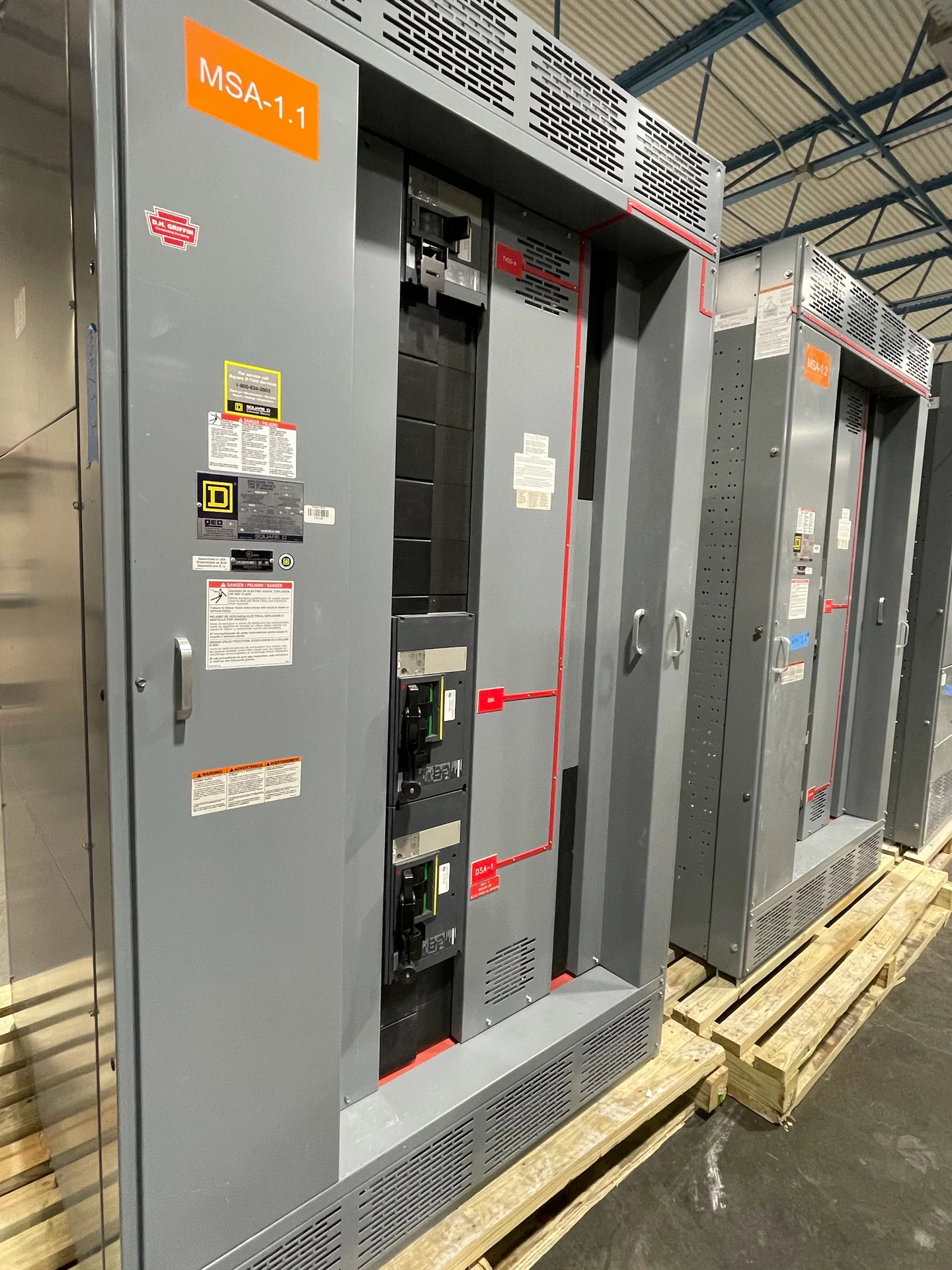
Start With the Equipment Record
Effective switchgear maintenance planning begins with a dependable equipment record rather than a generic checklist. Gather the approved one-line diagram, assembly drawings, device schedules, nameplate information, control schematics, wiring terminal references, and the manufacturer’s operation and maintenance documentation. Record the lineup identity, source and feeder relationships, breaker or switch arrangement, bus sections, metering, relaying, and installed accessories. A manufacturer building new switchgear can organize this information into a project documentation package, with American components selected to the approved design and the intended installation interfaces clearly identified.
Define Safe Isolation Before Work
A maintenance plan should explain how the equipment will be placed in a de-energized condition, who controls the switching sequence, and how the responsible electrical authority verifies isolation before work begins. The written procedure should identify all possible sources, backfeed paths, stored energy, control power, remote operation, grounding requirements, and boundaries for the work area. Qualified personnel must apply the site’s established lockout and verification practices, following applicable electrical safety rules and project procedures. Equipment drawings help, but they do not replace field verification of the actual installation.
Build an Inspection Scope
Inspection frequency and depth should reflect equipment type, operating environment, duty, switching history, contamination exposure, and the consequences of an unavailable feeder. A scope may address enclosure condition, doors and barriers, ventilation openings, bus supports, cable terminations, grounding and bonding connections, labels, mechanical fasteners, interlocks, protective devices, control wiring, and signs of heat or moisture. The inspection record should distinguish visual observations from measurements and corrective actions. Do not prescribe a universal interval without reviewing the manufacturer’s instructions, site conditions, and the authority responsible for the electrical system.
Coordinate Electrical and Functional Checks
Maintenance planning should connect physical inspection with an electrical test plan developed for the particular assembly and its operating history. Depending on the equipment and approved procedure, the plan may address conductor continuity, insulation condition, protective-device operation, control-circuit function, indication, interlocking, metering, and communication points. Test methods, instrument suitability, acceptance criteria, and documentation responsibilities should be agreed with the engineer and qualified testing personnel before an outage. Results need traceable equipment identifiers and clear dispositions for any exception; a test record is not a substitute for engineering judgment.
Plan the Scheduled Outage
An outage plan should identify the affected sources and loads, switching steps, temporary power decisions, permit requirements, work boundaries, personnel, tools, test equipment, restoration checks, and communication path. Sequence the work so inspection findings can be evaluated before the system is returned to service, while allowing time for documentation review and correction decisions. If a lineup requires replacement or expansion, provide the manufacturer with the one-line diagram, ratings, dimensions, cable entry information, control sequence, and installation constraints early. Switchgear Builders manufactures new custom equipment to specification and can coordinate nationwide shipping details around the project’s destination, packaging, access, and approved scope.
Keep Records Useful for the Next Review
Close each maintenance activity with an updated record: date, equipment identity, isolation reference, personnel, observations, measurements, test results, deficiencies, photographs where permitted, corrective decisions, and restoration confirmation. Track open items by risk and responsible party instead of burying them in narrative notes. When changes affect protection, controls, or physical interfaces, revise the relevant drawings and schedules through the project’s document-control process. For a new manufacturer-built lineup, request the documentation needed by the owner and installer, confirm component and rating details during review, and retain shipping and receiving information with the equipment file. That continuity helps the next outage team understand what was inspected, what changed, and which questions still require engineering review.