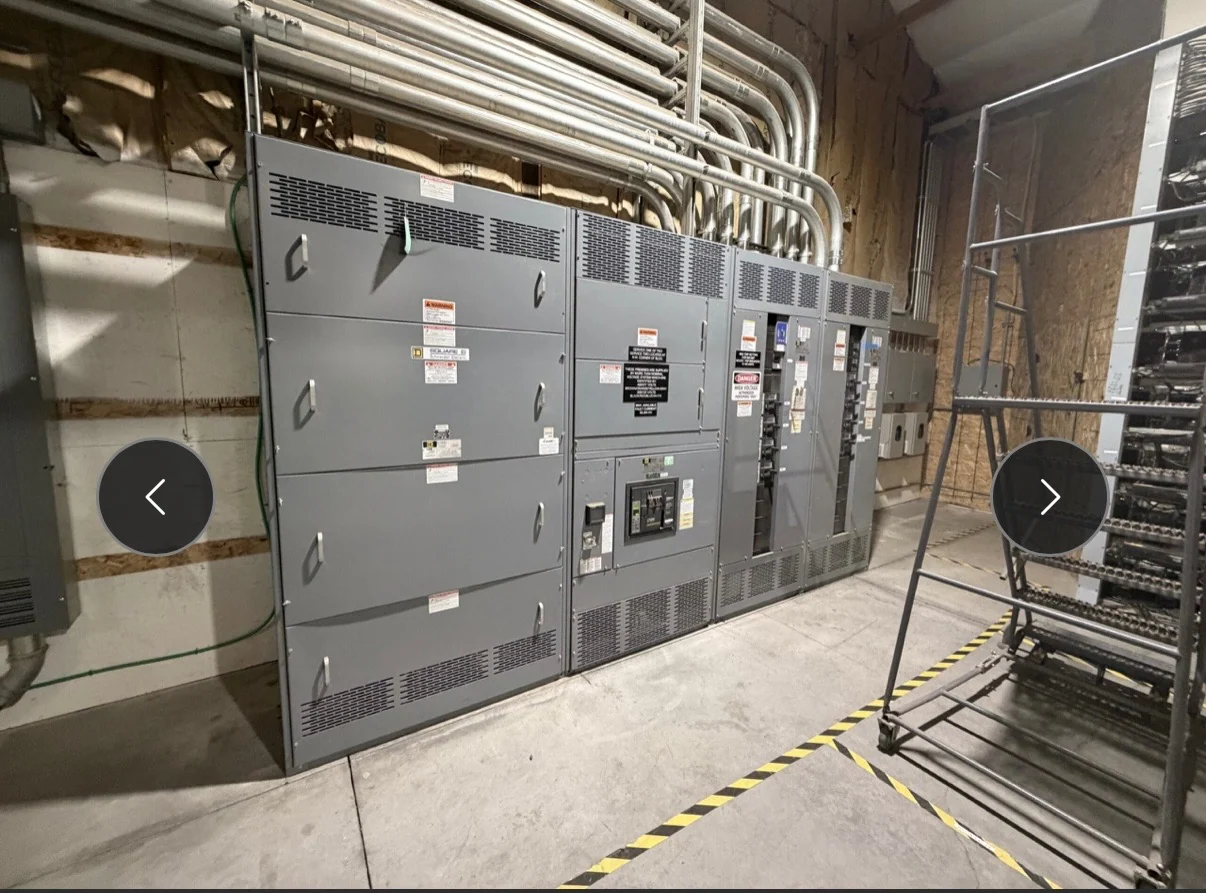
Start With Available Fault Current
A switchgear short-circuit current rating begins with the electrical system, not a catalog preference. The design team should establish the prospective available fault current at the equipment line terminals, identify the calculation method and assumptions, and note source transformers, generators, utility contributions, conductor lengths, and parallel paths. That value can differ from one lineup location to another. A manufacturer building new switchgear to specification needs the latest one-line diagram, system voltage, phase arrangement, grounding method, frequency, and installation point so the electrical equipment rating is selected against the actual project duty rather than an unexplained default.
Separate Device Interrupting Duty From Assembly Rating
A circuit breaker's interrupting rating answers whether that individual protective device can interrupt the current assigned to it; an assembly short-circuit current rating addresses the lineup's ability to withstand or manage the specified fault duty, as applicable to its construction and evaluation. These are related but not interchangeable terms. The specification should identify which rating applies to mains, feeders, bus sections, ties, switches, fuses, and other devices, while the engineer confirms that the complete arrangement remains suitable at each point. This distinction prevents a high device rating from being treated as proof of a matching assembly rating.
Specify Bus and Structural Requirements
Fault current produces mechanical forces in bus conductors, supports, joints, and connections as well as thermal stress. A useful specification therefore addresses bus material, dimensions, bracing approach, connection details, neutral and grounding conductors, and the required short-circuit withstand duration or short-circuit current rating terminology for the project. Physical layout matters: a main-tie-main arrangement, feeder grouping, or shipping split can change the design review. Switchgear Builders manufactures custom new assemblies in the United States using American components, with construction details coordinated to the electrical and mechanical requirements supplied for the particular job.
Coordinate Protection and System Changes
The rating cannot be reviewed in isolation from protective coordination. Time-current characteristics, instantaneous settings, relay functions, transformer impedance, generator operating modes, and source configurations can affect calculated fault duty and clearing expectations. Ask the engineer to identify normal, alternate, and tie-closed conditions when those states are possible, then reconcile the equipment specification with the coordination study and arc-flash study where applicable. A later utility change, transformer replacement, generator addition, or feeder rearrangement can alter the calculation, so the approved design basis should be recorded before fabrication and revisited if system inputs change.
Build a Complete Rating Schedule
A practical rating schedule makes review faster by placing each required value beside its equipment function. Include nominal system voltage and frequency, continuous current, available fault current, specified short-circuit withstand or short-circuit current rating, device interrupting ratings, grounding arrangement, enclosure conditions, and any required test or documentation scope. Show whether values apply to the entire lineup, a bus section, or an individual device. For a custom switchgear quote, attach the single-line diagram, load schedule, equipment room constraints, cable entry information, and sequence of operation; those inputs let the manufacturer identify missing assumptions before a quotation is finalized.
Confirm Project Applicability Before Delivery
Before approving drawings, the owner, engineer, contractor, and manufacturer should reconcile the rating schedule, approved drawings, device data, connection details, and inspection or test records defined for the project. If the specification references UL 891, confirm its applicability to the specific equipment type and project, along with any project-specific listing or verification requirements; the standard should not be assumed to apply universally. New equipment can then be packaged for nationwide shipping with destination, lifting, receiving, and freight details addressed, while final installation remains subject to qualified field coordination and local requirements.