Start with the Anchorage project description
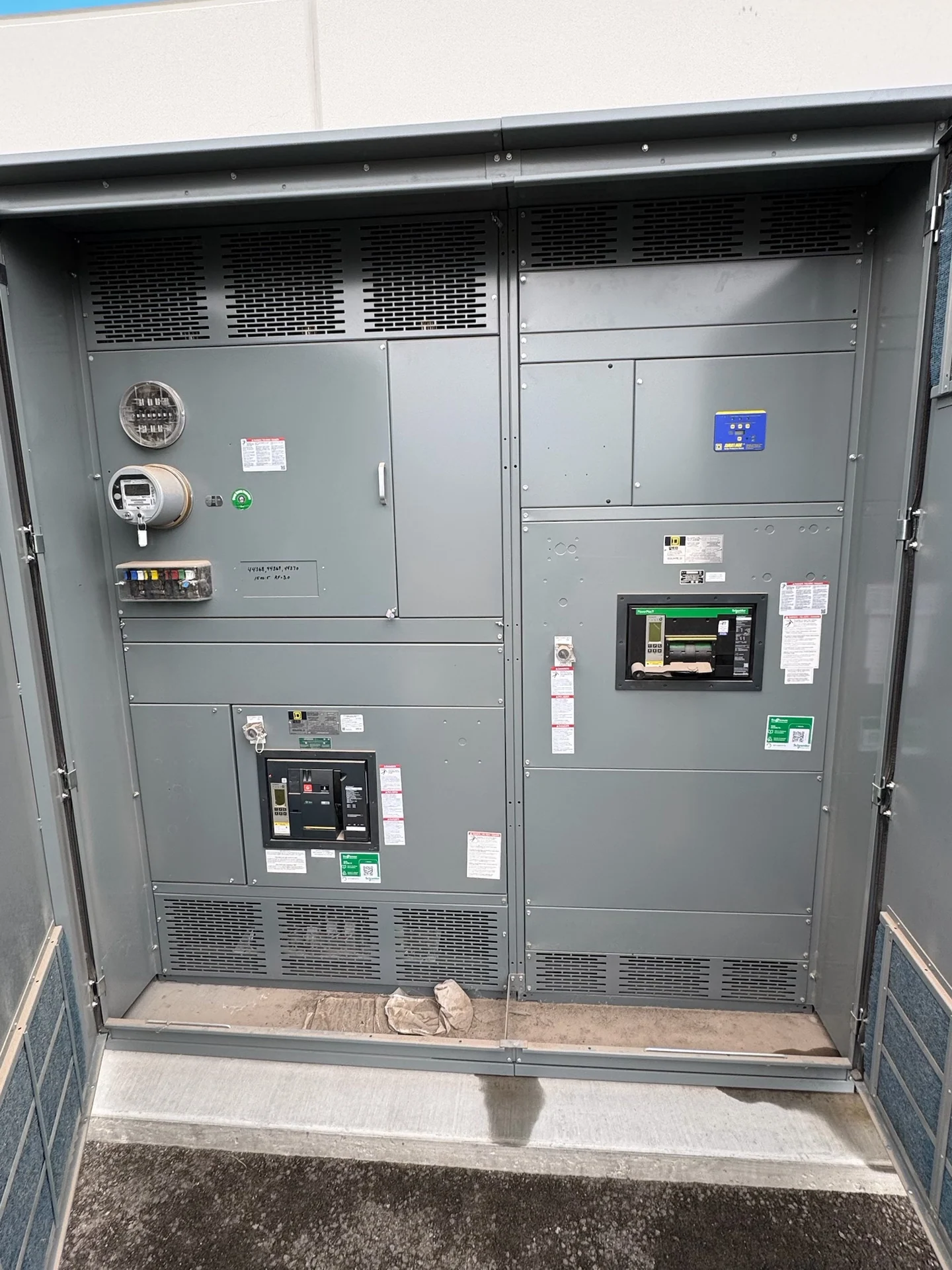
Planning Anchorage Alaska switchgear for a data center begins with a project description that connects the electrical one-line diagram to the facility's operating priorities. Identify utility service characteristics, generator sources, voltage classes, phase and grounding, calculated loads, future capacity, available fault current, and the distribution points that must remain maintainable. Also document the room location, equipment movement path, environmental exposure, seismic and anchorage requirements, cable entry direction, working clearances, and interfaces with transformers, UPS equipment, automatic transfer equipment, and downstream distribution. These inputs give an American manufacturer a sound engineering basis for evaluating a new custom build for the facility.
Shape redundant source arrangements
Data center distribution in Anchorage may require separate sources or deliberately segregated power paths, but redundancy is a system design decision, not simply a second incoming feeder. Define which loads are served by each path, whether a bus tie is normally open or part of an operating sequence, how maintenance isolation is achieved, and what interlocks or controls prevent an unsafe source condition. The equipment specification should identify normal and alternate source duties, transfer logic, bypass requirements, metering, and control power. A manufacturer can then build new switchgear to the approved arrangement, with each functional assumption reviewed by the project's electrical engineer and commissioning team.
Coordinate generator interfaces
Backup sources require more than a generator connection point on a drawing. Confirm generator voltage, frequency, phase sequence, grounding method, fault contribution, feeder routing, breaker functions, protective relays, and the intended sequence for starting, transferring, paralleling, loading, and returning to normal power where those functions apply. Review generator controls and automatic transfer equipment together with the switchgear so commands, permissives, status contacts, and alarm points have defined owners. For an Anchorage facility, the design team should also address outdoor exposure, access during severe weather, fuel-system dependencies, and maintenance isolation without assuming that any particular climate enclosure or feature is automatically included.
Design for maintainable access
Maintenance access should be designed into the lineup, room, and operating procedure from the beginning. Establish working space, door and panel swing, breaker or device removal paths, cable termination access, lifting provisions, and separation between normal work areas and energized sections as required by the engineered design. For redundant data center paths, map how a technician can isolate one section while the intended load path remains available, then verify that interlocks and labels support the documented sequence. Equipment dimensions, shipping splits, floor loading, anchorage, and the route from the receiving point to the electrical room also belong in the submittal review before fabrication.
Review ratings and protection
Protective coordination for Anchorage electrical distribution should be based on a current system study and the final equipment configuration. Supply the manufacturer with available fault current, transformer data, conductor lengths and sizes, protective-device types, trip or relay settings, motor and UPS contributions, grounding information, and any coordination or arc-flash objectives established by the engineer. Check continuous current, interrupting capability, short-circuit withstand, voltage class, insulation requirements, bus bracing, and enclosure conditions as applicable. The resulting lineup should reflect approved ratings and settings; it should not be described as suitable merely because a nominal amperage or data center label appears in the request.
Prepare a complete new-equipment inquiry
A useful request for a new switchgear package should include the one-line diagram, load schedule, equipment schedule, room plan, source and transfer sequence, control narrative, protection study inputs, environmental and seismic criteria, cable and bus connection details, metering requirements, drawing standards, inspection expectations, and shipping destination in Anchorage. State which components must be American-sourced and identify any owner, utility, engineer, or authority review that applies. Switchgear Builders manufactures custom new electrical switchgear in the United States using American components and supplies projects nationwide; the final scope, documentation, shipping method, and any schedule estimate remain specific to the submitted project.