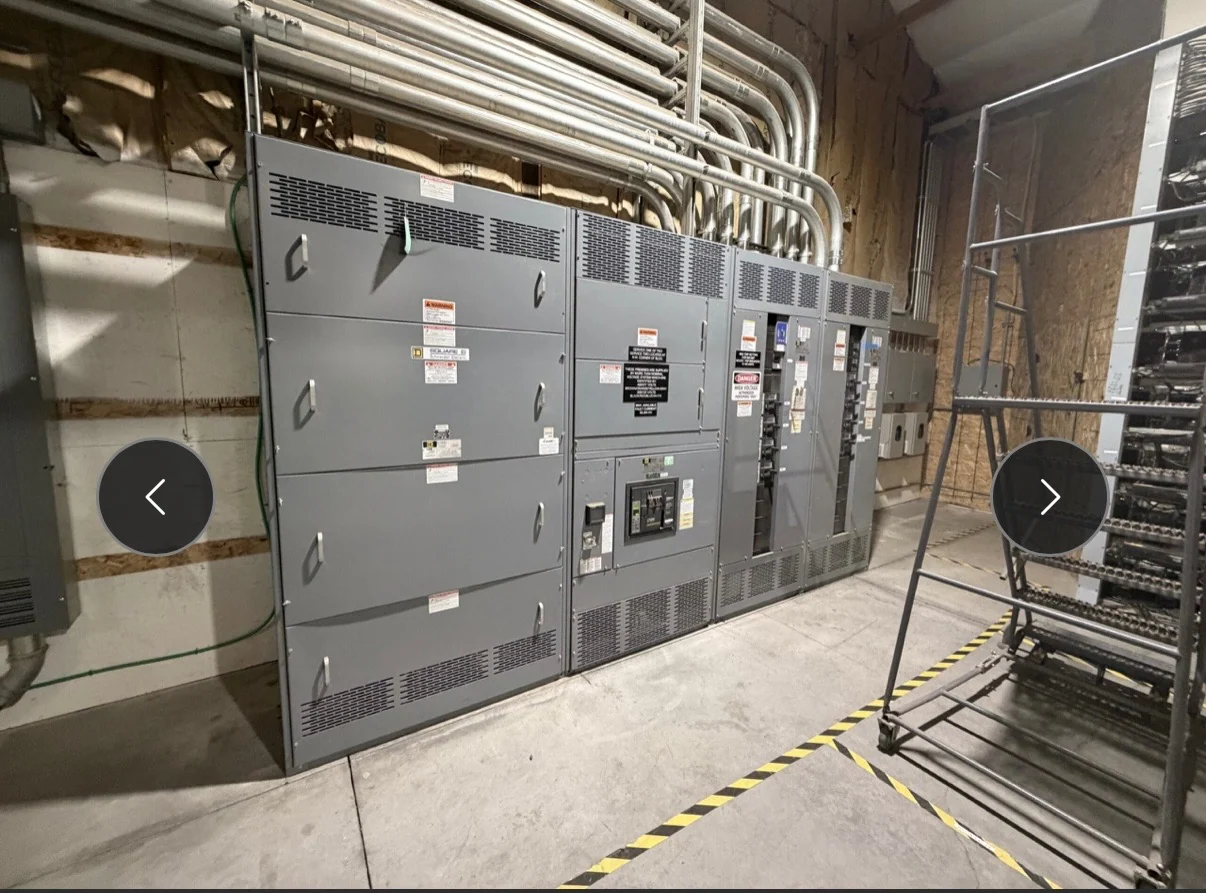
Start with the Healthcare Electrical Mission
A Fairbanks healthcare project should begin with the functions that must remain available when normal utility power is interrupted, not with a generic equipment label. Identify life-safety, critical, and equipment loads; note which spaces depend on each feeder; and document whether the project is a replacement, expansion, or new distribution lineup. A useful design requirements also records normal and alternate sources, grounding method, voltage, phase, frequency, available fault current, environmental conditions, and the physical path from incoming service to downstream panels. Switchgear Builders manufactures new electrical switchgear in the United States, builds custom equipment to the project specification, uses American components, and can coordinate nationwide shipping for a Fairbanks destination. The project engineer remains responsible for defining the healthcare requirements that apply to the particular facility.
Map Sources, Feeders, and Essential Loads
Distribution planning becomes clearer when the one-line diagram distinguishes normal source equipment, alternate source equipment, transfer equipment, emergency feeders, and nonessential branches. For each healthcare load, record its serving panel, overcurrent device, expected operating state, and whether it must transfer automatically or remain on the normal source. A new lineup may need main devices, feeder breakers, bus ties, metering, control power, or interlocks; select these features to follow the approved operating sequence. In Fairbanks, the project team should also review room access, cable routing, equipment movement, and site conditions that could affect enclosure selection or installation. The manufacturer can use the reviewed drawings and schedules to develop a custom build while leaving system protection and load classification decisions with the responsible design professionals.
Define the Transfer Sequence Before Fabrication
Healthcare backup power depends on an operating sequence that can be explained, reviewed, and tested. Specify what initiates transfer, how source availability is detected, which breakers are permitted to close, whether sources may operate in parallel, how retransfer is authorized, and what happens when a source fails during a transition. Include time delays, control-power assumptions, permissive signals, local and remote controls, annunciation, and manual operating provisions where applicable. The sequence should be checked against generator capacity, feeder protection, selective coordination objectives, and the actual transfer equipment selected for the project. Switchgear Builders can build new switchgear around the documented control scheme and identify open questions for the engineer, healthcare owner, generator supplier, and installer before drawings are released.
Account for Alaska Site and Logistics Inputs
A Fairbanks electrical distribution inquiry benefits from unusually complete site information because the equipment must fit both the electrical room and the delivery plan. Provide the installation address, indoor or outdoor location, elevation if relevant to the design basis, ambient conditions, enclosure expectations, foundation or housekeeping-pad details, door and corridor dimensions, lifting limitations, and the receiving party's access requirements. Identify whether the lineup will ship as one assembly or several sections, and coordinate lifting points, weights, protective packaging, freight terms, and any site-controlled delivery restrictions. Nationwide shipping is available; confirm transit estimates and freight arrangements for the particular order. The final shipping plan should be confirmed for the project after dimensions, approved drawings, packaging, destination access, and responsibilities among manufacturer, carrier, rigging provider, and installer are known.
Coordinate Compliance, Drawings, and Verification
Before ordering new healthcare switchgear, assemble the documents needed for a disciplined review: the current one-line, load schedules, short-circuit and coordination inputs, control narrative, equipment schedules, room layout, cable and conduit interfaces, grounding details, metering requirements, and owner or utility comments. Establish which standards and authority requirements apply to the specific installation, and confirm whether UL 891 is applicable to the proposed assembly; its applicability and any project-specific listing or capability must be confirmed for that project rather than presumed. The submittal should make ratings, device identifiers, bus arrangements, terminal points, interlocks, and shipping splits easy to compare with the design basis. Inspection points, continuity checks, insulation checks, functional demonstrations, and other acceptance activities should be defined with agreed criteria and recorded results.
Prepare a Complete New-Switchgear Quote Request
A manufacturer can prepare a more useful quote when the request separates required scope from preferences. Include the project location in Fairbanks, Alaska; equipment type and lineup function; source and load information; continuous-current and fault-duty requirements; dimensions or space limits; indoor or outdoor conditions; protective devices; metering; control voltage; transfer sequence; drawings and test documentation; requested shipping split; and the parties responsible for installation, startup, and field verification. Send existing drawings as reference unless their accuracy is confirmed, and identify known outage constraints and desired project milestones. Customers buying new switchgear directly from the manufacturer should ask which assumptions, exclusions, approvals, freight terms, and project-specific requirements are included in the quotation. This approach gives the design team a traceable basis for comparison and gives the builder the information needed to develop a custom, buildable package.