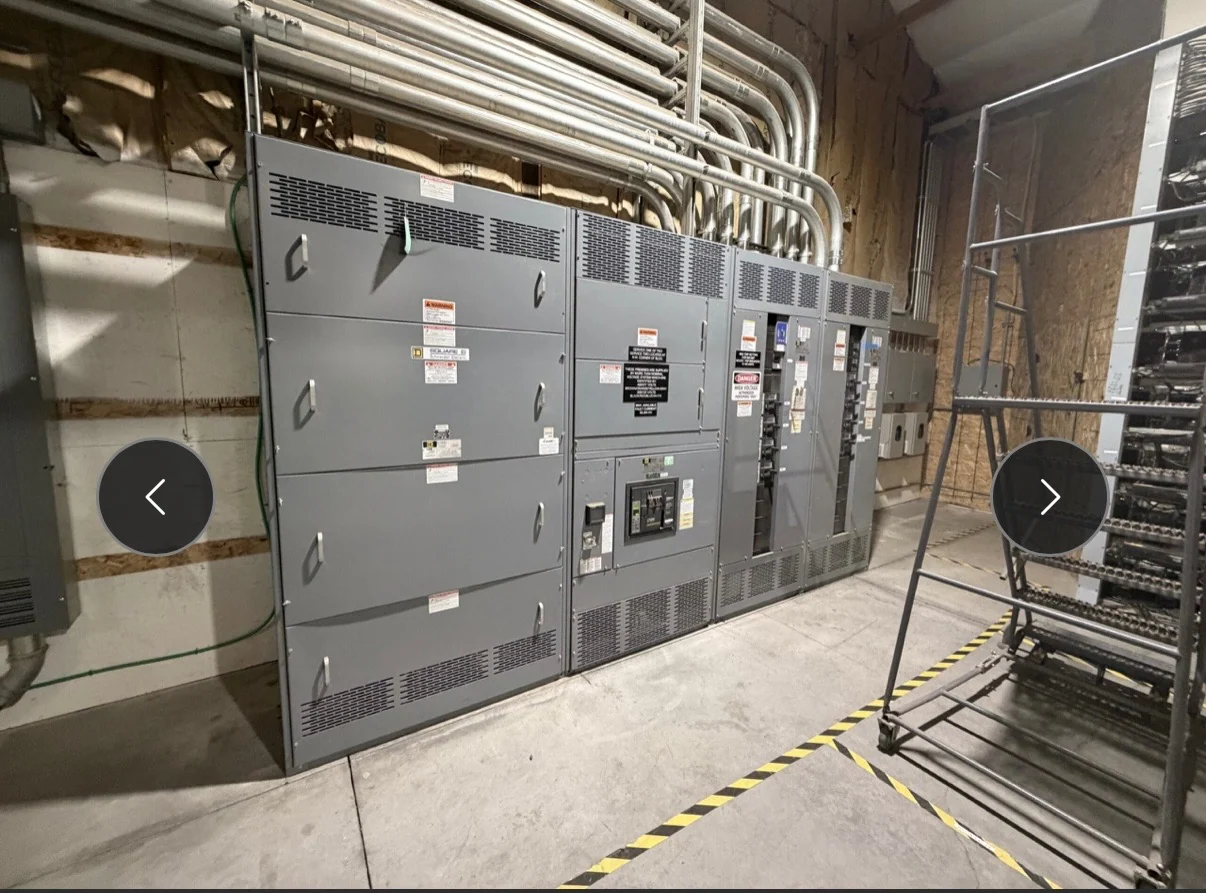
Planning Savannah Expansion Power Distribution
A facility expansion in Savannah, Georgia often creates a distribution question before it creates an equipment question: how should new feeders connect to the existing electrical system without losing sight of future loads, operating constraints, or installation access? Switchgear Builders manufactures, builds, and supplies new electrical switchgear in the United States, custom to project specifications, with American components and nationwide shipping. A useful starting package identifies the facility type, utility or generator sources, nominal voltage, phase and frequency, grounding method, main and feeder arrangement, available fault current, continuous load, and expected additions. Those inputs let the manufacturer distinguish a straightforward feeder extension from a more involved lineup that requires coordinated source sections, metering, controls, or a tie arrangement. The final design remains subject to the project engineer's review and applicable local requirements in Savannah and at the specific site.
Connect New Feeders to Existing Equipment
Existing equipment interfaces deserve detailed attention because a new lineup must fit an electrical system as well as a room. Gather current one-line diagrams, equipment schedules, breaker information, bus details, cable sizes and entry directions, grounding provisions, control schematics, and field-verified dimensions. Photographs can help, but they should supplement—not replace—drawings and measurements. The design team should identify whether the expansion uses a new main, dedicated feeder section, bus connection, transformer secondary, generator source, or a separately controlled distribution path. Physical questions include lineup orientation, shipping splits, door swing, working space, maintenance access, floor loading, conduit routes, and lifting or rigging access. Comparing those interfaces early reduces the risk that a technically suitable new switchgear assembly cannot be moved into or connected within the existing facility.
Account for Load Growth and Feeder Protection
Facility expansion planning should separate today's calculated load from the capacity the owner expects to add later. Provide connected and demand loads by feeder, motor starting information where relevant, transformer data, power factor assumptions, harmonics concerns, emergency or standby source requirements, and any planned production, HVAC, process, or tenant changes. Engineers can then evaluate continuous-current ratings, breaker frame and trip choices, interrupting duty, bus capacity, voltage drop, coordination, and arc-flash study inputs as applicable. A feeder that serves a modest initial load may still need a carefully defined protective-device arrangement if future additions change fault current or coordination. Switchgear Builders can use the approved electrical information to build new custom equipment; protection settings, studies, and final acceptance criteria must be established by the responsible project professionals rather than assumed from a location or equipment label.
Coordinate Outage Windows and Installation Work
An expansion schedule should describe when existing distribution can be isolated, which loads must remain energized, and how temporary or alternate power is addressed by the project team. Include planned outages, shutdown authority, required switching sequences, demolition or removal boundaries, cable-pull timing, inspection points, and the responsibilities of the electrical contractor, engineer, facility operator, and qualified commissioning personnel. New equipment may be shipped in sections, so receiving, storage, indoor staging, and final movement should be considered alongside the outage plan. Nationwide shipping can be coordinated around the stated destination and packaging requirements, but transit estimates and project timing must be confirmed for the particular order. Clear scope also helps separate manufacturer-furnished equipment from field installation, terminations, testing, and energization activities.
Fit the Lineup to the Savannah Site
Available space is a design input, not merely a late-stage installation detail. Document the electrical-room dimensions, access path from the delivery point, ceiling height, slab and anchorage conditions, ventilation, environmental exposure, drainage or flood-related considerations where applicable, cable trench or overhead route, and required working and service clearances. For an outdoor installation, identify the mounting surface, weather exposure, security and access expectations, cable entry, and interfaces with civil work. The manufacturer can develop enclosure and section arrangements around the supplied constraints, while the project's qualified design professionals determine the applicable environmental, structural, electrical, and site requirements. A measured plan and marked-up photographs are especially useful when a Savannah expansion must share a room with energized equipment or preserve access to existing feeders.
Prepare a Complete New Switchgear Inquiry
A practical request for Savannah electrical distribution should include the one-line diagram, equipment schedule, specifications, feeder list, ratings, control narrative, metering needs, enclosure environment, dimensions, cable-entry preferences, documentation requirements, destination, and desired commercial milestones. State whether the request concerns facility expansion, new electrical feeders, replacement of an existing section, or a new source interface, and identify assumptions that still require confirmation. Ask the manufacturer to identify exclusions, required owner-furnished information, shipping splits, drawings for review, inspection or test documentation, and any project-specific standard or listing requirement that must be evaluated. Switchgear Builders manufactures new custom electrical switchgear in the United States and ships nationwide; a complete inquiry gives the engineering and manufacturing teams a basis for reviewing scope, configuration, pricing, and delivery requirements.