Planning Baltimore Industrial Distribution Projects
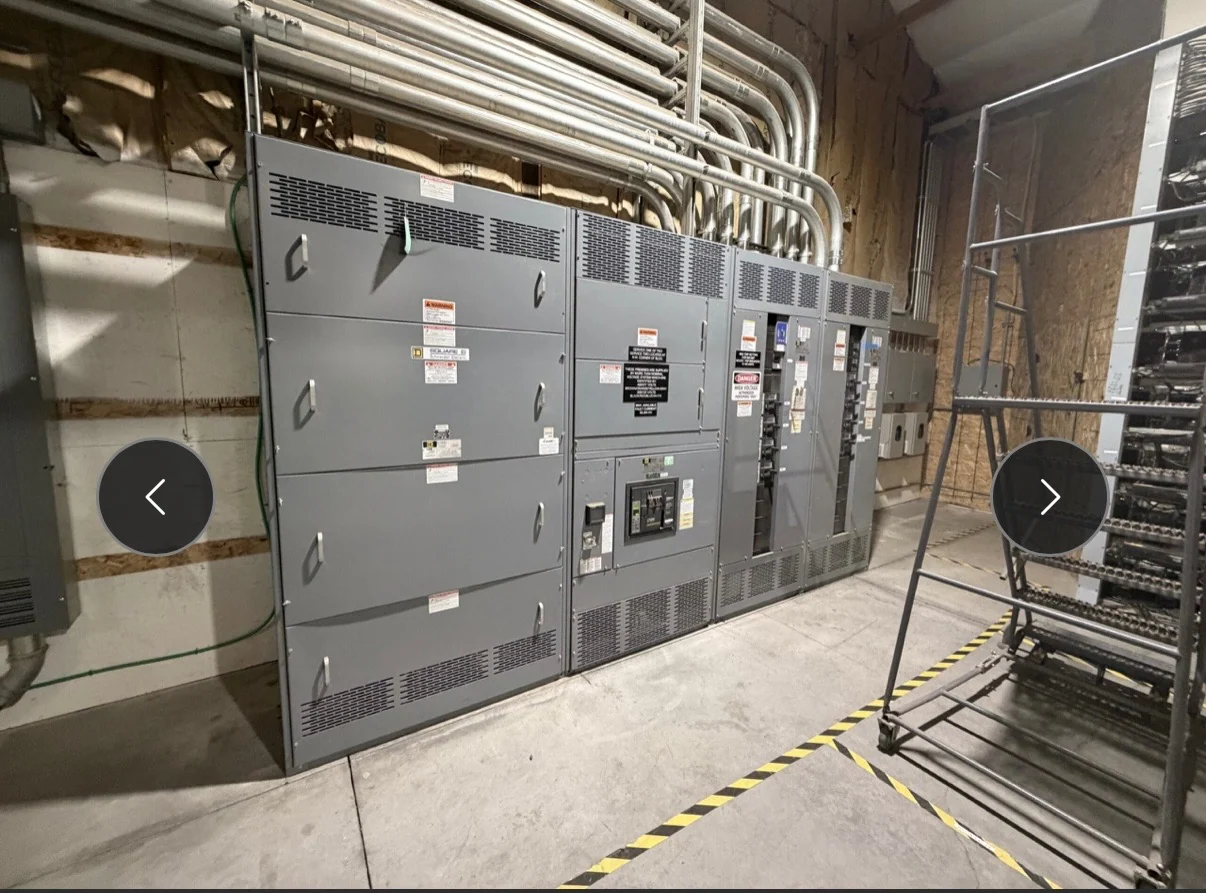
Baltimore industrial facilities can require carefully coordinated electrical distribution for pumps, conveyors, process machinery, ventilation, and auxiliary loads. A useful equipment scope begins with the facility one-line diagram, source characteristics, load schedule, available fault current, operating voltage, frequency, grounding method, and environmental conditions. Switchgear Builders manufactures new electrical switchgear in the United States, custom to project requirements, using American components and supplying equipment for nationwide shipment. The project team should establish whether a motor control center, switchboard, switchgear lineup, or combination of equipment best fits the distribution architecture before dimensions and device selections are finalized.
Motor Control Center Configuration
For motor control centers serving industrial pumps, conveyors, and process loads, each motor feeder should be defined by its starting method, motor data, overload protection, disconnecting means, control voltage, and required status indication. Across-the-line starters, reduced-voltage starters, and variable frequency drives create different electrical, thermal, space, and maintenance considerations; the appropriate choice depends on the motor, driven equipment, process sequence, and engineering study. Feeder grouping, spare spaces, cable-entry direction, unit access, and lineup dimensions also matter when the assembly must fit an existing Baltimore-area electrical room or expansion area. For Baltimore projects, separate the motor schedule by duty cycle: some pumps may run continuously, while others cycle with level controls or start against a loaded system. That distinction affects starter selection, thermal review, and expected operating sequence. Conveyors may require sequential starts, anti-jam logic, restart inhibit after an undervoltage event, or local lockout provisions. Capture those behaviors in the control narrative and point list so the motor-control lineup, field wiring, and commissioning checks use the same assumptions.
Protection and Coordination Inputs
Motor protection cannot be selected from horsepower alone. The design review should address full-load current, locked-rotor or starting conditions, overload settings, short-circuit protection, ground-fault considerations, conductor sizes, and coordination with upstream and downstream devices. A coordination study may establish time-current relationships and protective settings, while an arc-flash study may inform labeling and operating decisions; neither should be assumed without project data. The manufacturer can build the new equipment around the approved protection schedule, but the specifying engineer remains responsible for defining system criteria and approving the final application.
Controls, Interlocks, and Process Interfaces
Industrial motor distribution is also a controls project. The equipment package should identify remote start and stop commands, permissives, emergency-stop interfaces, local or remote selector behavior, run and fault feedback, alarm contacts, metering, network communications, and any interlocks between pumps, conveyors, and process equipment. A clear point list and sequence of operation reduce ambiguity between the switchgear builder, controls integrator, electrical contractor, and facility team. Control wiring segregation, terminal identification, spare points, and accessible service areas should be reviewed alongside the power compartments rather than treated as late additions.
Site Conditions and Installation Coordination
Baltimore project conditions may vary between an indoor production space, utility area, pump station, warehouse, or outdoor process location, so enclosure selection and physical coordination must follow the actual site. Confirm ambient exposure, moisture, dust, corrosive agents, room ventilation, working clearances, cable routing, floor loading, door access, lifting path, and anchorage requirements. Existing equipment interfaces should be documented with field dimensions and photographs where appropriate. A new custom lineup can then be designed around the installation constraints, while the receiving and installation plan assigns responsibility for unloading, rigging, connections, testing, and energization. When connecting to an existing lineup, compare bus orientation, cubicle space, termination heights, spare conduit capacity, and access for torque checks before approving drawings. Retain marked-up schematics after point-to-point testing for the facility maintenance team.
Requesting a Custom Manufacturer Quote
A focused quote request for Baltimore electrical distribution should include the one-line diagram, load list, motor schedule, control schematics, site location, indoor or outdoor installation conditions, required lineup dimensions, cable-entry preferences, fault-duty information, protection requirements, metering needs, communications points, drawings, inspection expectations, and shipping destination. Identify whether the project is new construction, an expansion, or a replacement interface, and note outage, phasing, and delivery constraints. Switchgear Builders can review the defined scope and provide a manufacturer-built new-equipment proposal with project-specific inclusions, exclusions, documentation, and shipping terms.