Planning Saint Paul Electrical Distribution Projects
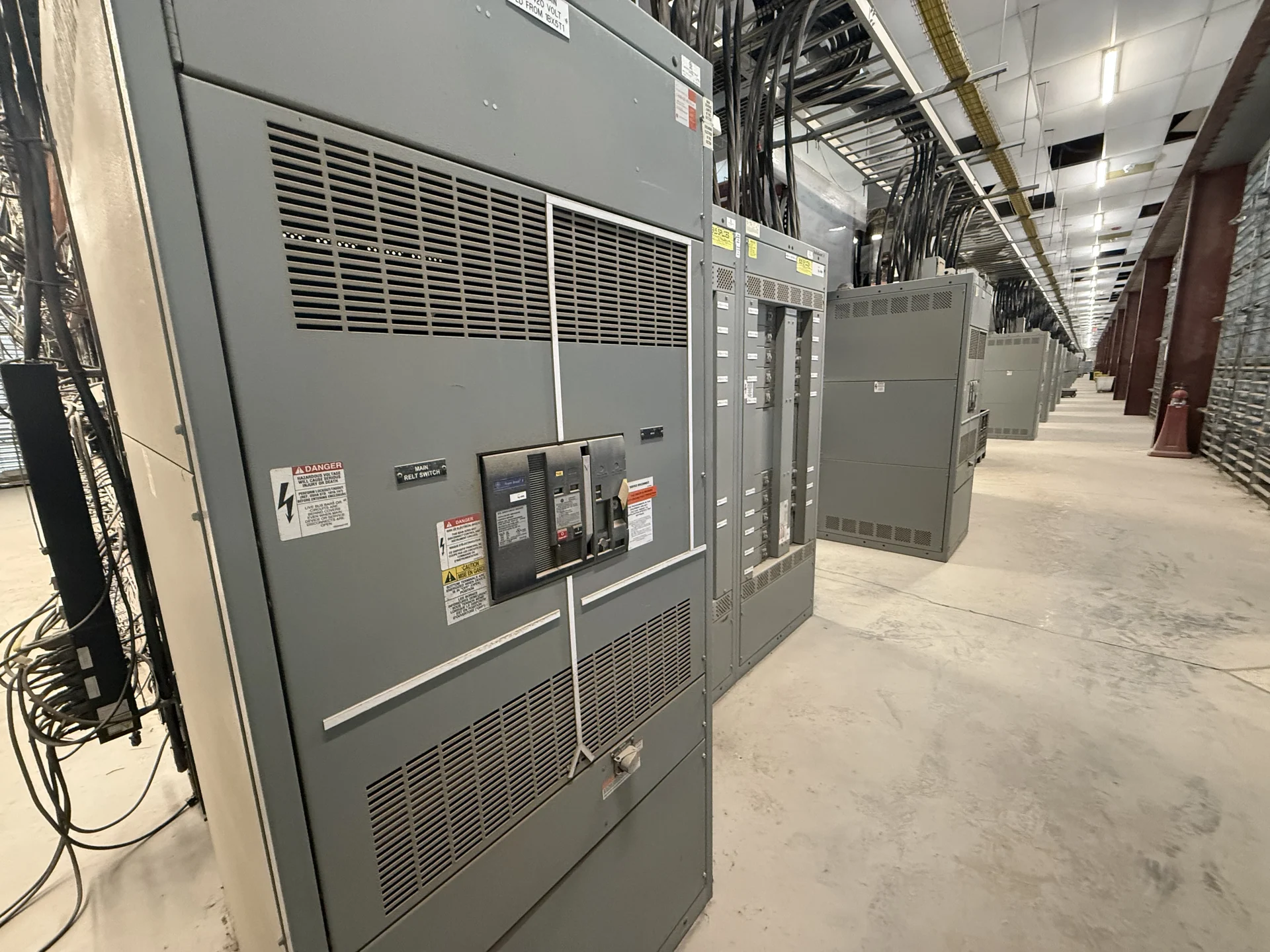
A Saint Paul electrical distribution project should begin with the system it must serve, not with a generic equipment label. Commercial and industrial facilities may require service-entrance switchboards, feeder sections, metering provisions, or a coordinated combination of distribution equipment. Switchgear Builders manufactures and supplies new electrical switchgear in the United States, built to project specifications with American components and nationwide shipping. A useful inquiry identifies the facility type, utility service arrangement, nominal voltage, phase and wire configuration, grounding method, calculated load, and whether the equipment is new construction, an expansion, or a planned replacement. Those details establish the starting point for a responsible manufacturer review without assuming that every Saint Paul site has the same utility or installation conditions.
Service-Entrance Switchboard Inputs
For service-entrance switchboards for commercial and industrial projects, provide the one-line diagram, service conductors, main disconnect concept, feeder schedule, and intended metering arrangement. Utility requirements may affect compartments, instrument transformers, access, sealing provisions, or the location of customer and utility equipment, so the responsible electrical engineer and utility representative should confirm those interfaces. Include available fault current at the service, desired short-circuit ratings, continuous current requirements, enclosure environment, cable entry direction, and physical room constraints. If the Saint Paul project has multiple services, distributed generation, or a transfer arrangement, describe the operating sequence and interlocking expectations before a quotation is prepared.
Disconnecting Means and Feeder Circuits
Disconnecting means and feeder circuits should be described by function as well as by ampere value. Identify the service disconnect, main and feeder protective devices, number of outgoing circuits, spare or future spaces, conductor termination requirements, and any bypass, tie, or transfer relationship. A schedule that names loads and destination panels helps prevent an incomplete lineup concept, while physical information such as section width limits, working-space constraints, doors, barriers, and conduit locations supports a buildable layout. For industrial applications, note motor loads, process equipment, large nonlinear loads, or source changes that could affect protection coordination and metering.
Available Fault Current and Equipment Ratings
Available fault current is a design input that should come from the project electrical study or the applicable utility information, rather than an estimate based on building size. Compare that value with the required equipment short-circuit rating and with the interrupting ratings of the selected protective devices. Also identify continuous current, voltage class, frequency, temperature assumptions, bus material expectations, grounding, and any seismic or environmental requirements specified for the site. Switchgear Builders can review those inputs while developing new equipment custom to the project, but final ratings and protective coordination remain matters for the project engineer and other qualified parties to confirm.
Drawings, Review, and Manufacturing Coordination
A strong manufacturer inquiry includes the latest one-line diagram, equipment schedule, floor plan or room dimensions, elevations if available, feeder and conduit information, metering notes, and the requested documentation package. State whether the quotation should address shop drawings, wiring diagrams, device data, bills of material, test records, or installation references, and distinguish required submittals from information needed only for internal review. Clarify who will approve drawings, who furnishes utility comments, and who coordinates field terminations. This process lets a custom builder identify open questions early instead of treating an unconfirmed assumption as part of the quoted scope.
Ordering New Equipment for a Minnesota Project
When you are ready to buy new switchgear for a Saint Paul project, send the confirmed technical package and identify the jobsite destination, receiving restrictions, unloading responsibility, and preferred shipment split. Switchgear Builders builds and supplies new equipment directly as an American manufacturer, using American components and shipping nationwide; project-specific freight arrangements and timing should be confirmed in the quotation rather than assumed. Ask the manufacturer to state included devices, exclusions, documentation, testing scope, commercial terms, and any assumptions about utility approval. A precise scope gives the owner, engineer, contractor, and manufacturer a common basis for evaluating the equipment before release to production.