Plan the Kansas City Electrical Distribution Scope
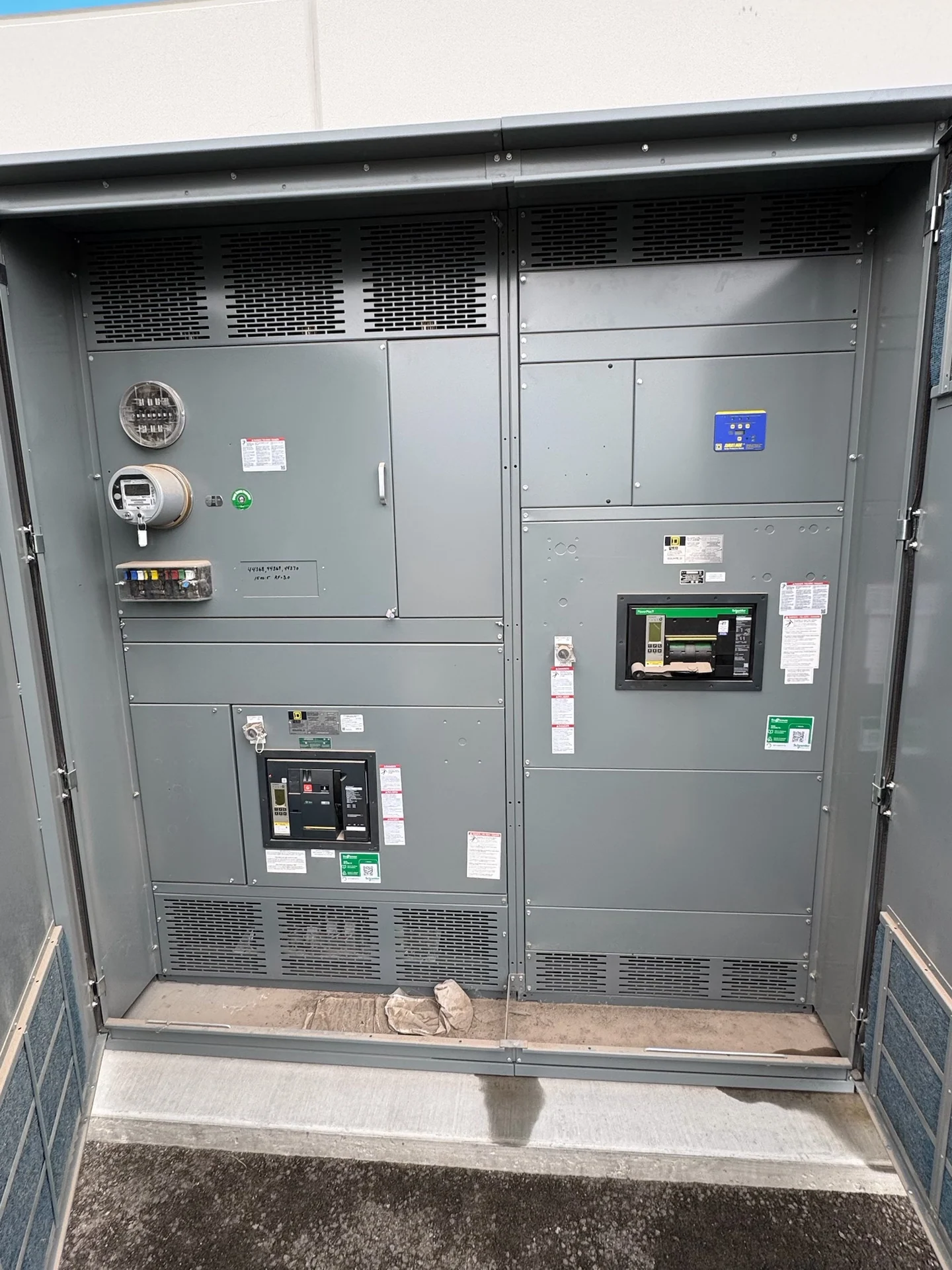
A Kansas City industrial electrical distribution project starts with a clear description of the facility, process, and operating sequence rather than a generic equipment label. Identify incoming sources, voltage and phase, calculated loads, available fault current, grounding arrangement, ambient conditions, and the location of each major load. A motor-driven pump station, conveyor line, and process skid may require different feeder groupings, starting methods, disconnect arrangements, and control interfaces. Switchgear Builders makes new electrical switchgear in the United States, tailored to project specifications with American components and nationwide shipping. A useful inquiry should also include one-line diagrams, floor plans, load schedules, and the engineer's intended protection philosophy for the particular Kansas City project.
Match Motor Control to the Application
Motor control centers can organize starters, protective devices, drives, control power, and field connections for industrial pumps, conveyors, and process loads, but the correct arrangement depends on the motor and the process. Across-the-line starting may suit a smaller or less sensitive load, while a drive may help coordinate speed with flow, pressure, or material handling requirements. Review motor horsepower, full-load current, locked-rotor behavior, acceleration needs, duty cycle, starts per hour, bypass expectations, and harmonic considerations where drives are specified. The design should distinguish power-circuit requirements from control logic so the lineup supports commissioning, troubleshooting, and the plant's operating sequence.
Coordinate Protection and Fault Duty
Motor protection is more than selecting a device by nameplate current. The project team should coordinate overload protection, short-circuit protection, feeder protection, disconnecting means, and ground-fault functions with upstream and downstream equipment. Available fault current at the installation point must be established by the electrical engineer, then compared with the applicable interrupting and assembly ratings. Protection settings should reflect motor starting characteristics without weakening required fault clearing. For a Kansas City facility expansion, review whether new feeders change the distribution study, transformer loading, arc-flash analysis, or selective-coordination objectives. Final ratings, settings, and interlocks remain project-specific engineering decisions, not assumptions based only on the equipment category.
Define Starters, Drives, and Control Interfaces
A complete motor-control specification describes how each motor starts, stops, runs, alarms, and communicates with the process system. List local and remote control stations, permissives, emergency-stop circuits, status contacts, speed references, fault indications, and the receiving PLC or supervisory system. For conveyors, document interlocks between sections and the desired restart behavior; for pumps, document lead-lag logic, minimum-flow concerns, and process permissives; for other process loads, identify sequencing and shutdown priorities. Also define control voltage, terminal locations, network protocol if applicable, spare points, wire identification, and segregation needs. These details allow a manufacturer to develop a custom build that aligns the lineup with the installation drawings and commissioning plan.
Account for Kansas City Site Conditions
The destination and building conditions affect enclosure selection, physical layout, and shipment planning even when the equipment is manufactured elsewhere. Confirm indoor or outdoor placement, environmental exposure, room dimensions, working clearances, cable-entry direction, maintenance access, lifting route, foundation or housekeeping-pad details, and the path from receiving area to final position. For a Kansas City project, the buyer should provide the exact delivery location, site contact, access restrictions, and requested freight responsibilities rather than relying on a broad city reference. Nationwide shipping can be coordinated for new equipment, while the installing contractor and qualified rigging personnel should confirm handling methods, field connections, and installation responsibilities.
Prepare a Complete Manufacturer Inquiry
To request a practical quote for Kansas City switchgear and electrical distribution, assemble the one-line diagram, motor schedule, load calculations, fault-current information, equipment location, dimensions, control schematics, required documentation, and any owner or engineer specifications. State whether the project calls for starters, variable-frequency drives, bypass arrangements, metering, communication, spare capacity, or a particular lineup sequence, but ask that applicability be confirmed during engineering review. Switchgear Builders can evaluate the submitted scope for a new custom build, clarify open technical questions, and identify the information needed before fabrication and shipping can be discussed. Consistent documents help the project team compare equipment scope, exclusions, interfaces, and installation responsibilities.