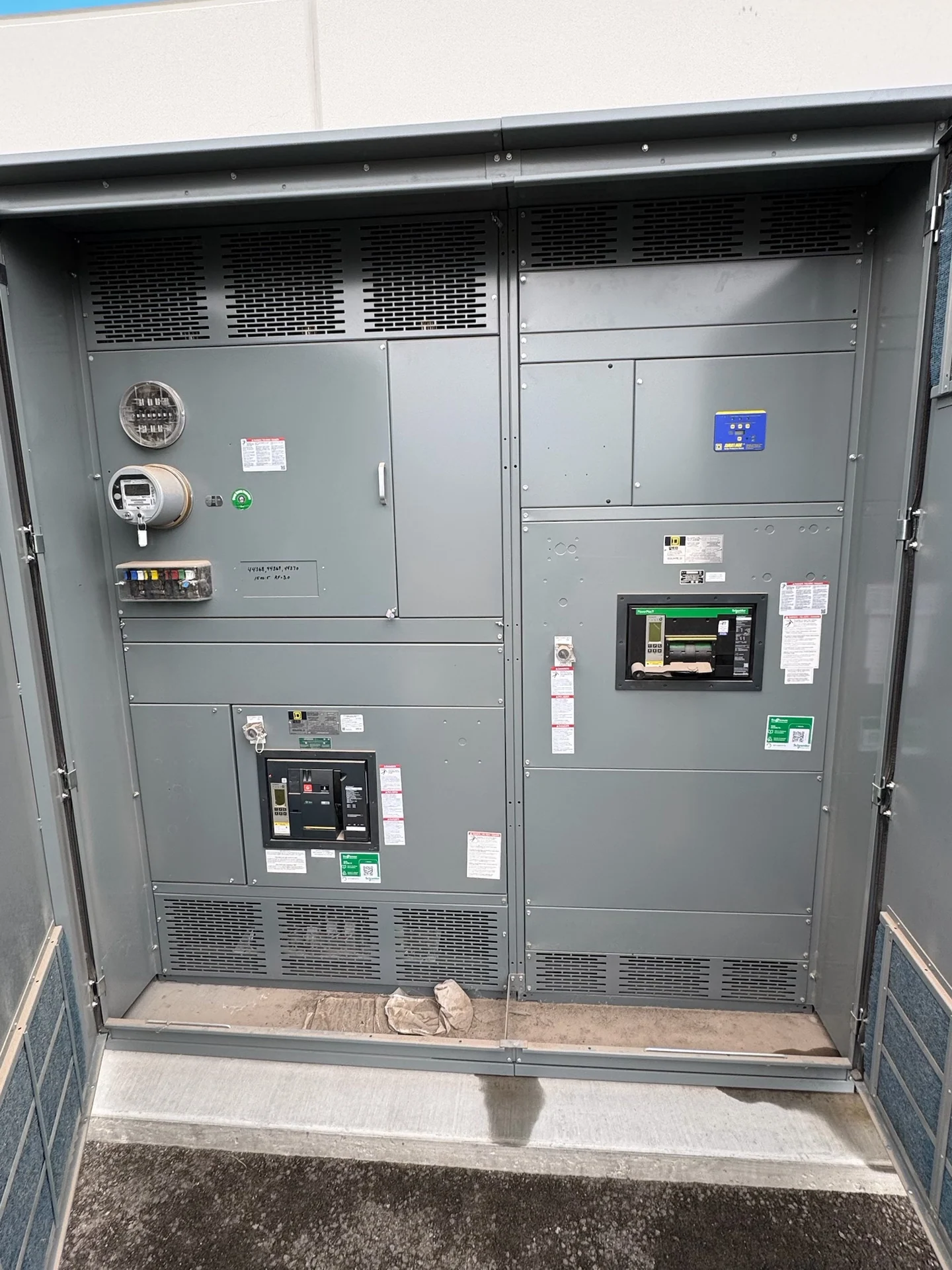
Plan the Nevada Project Around the Critical Loads
A Nevada facility that depends on continuous or orderly power should begin its automatic transfer switch plan with a clear load schedule, source description, and operating objective. Identify which loads require transfer, which can tolerate an interruption, and whether separate branches must operate independently. Healthcare, communications, industrial process, water, and commercial facilities may have very different priorities. A manufacturer can build new switchgear and associated distribution equipment custom to the project, but the design still needs an engineer-defined sequence, electrical ratings, environmental assumptions, and installation interfaces before a useful quote can be prepared.
Define Normal and Alternate Source Capacity
Automatic transfer switches cannot be selected from load amperage alone. The project team should document the normal source, alternate source, voltage, phase arrangement, frequency, available fault current, grounding method, and the expected connected and starting loads. Generator capability, transformer capacity, feeder impedance, and motor inrush can affect whether an alternate source can accept the transferred load. For a Nevada electrical distribution project, provide the one-line diagram, load calculations, source data, and any future-load assumptions so the new assembly can be evaluated against actual system conditions rather than a generic catalog description.
Specify the Transfer Sequence
The transfer sequence should describe what the equipment does before, during, and after a source change. Important questions include how loss of the normal source is recognized, whether the alternate source must reach defined conditions before connection, how retransfer is initiated, and what happens when either source becomes unavailable. The specification should also address test operation, manual controls, source interlocking, alarm contacts, remote indications, and any coordination with generators or building controls. These decisions belong in the project control narrative and should be reviewed with the electrical engineer, installer, and operator before fabrication.
Coordinate Protection and Distribution Equipment
Protection coordination is a system exercise, not merely an automatic transfer switch accessory choice. Review upstream and downstream breakers, fuses, feeder conductors, generator protection, selective coordination objectives where applicable, and the available fault current at each relevant point. The switchgear lineup, switchboard, or transfer equipment arrangement must leave room for practical cable entry, terminations, barriers, maintenance access, and heat-management decisions appropriate to the installation. Switchgear Builders manufactures new electrical switchgear in the United States with American components and can use the project drawings and device requirements to develop a custom-to-spec equipment package; final choices remain subject to project engineering review.
Account for Nevada Site Conditions and Access
Nevada projects may span very different building, desert, industrial, and remote-site conditions, so the location should be treated as a design input rather than a presumption about one statewide configuration. Confirm indoor or outdoor placement, enclosure requirements, dust exposure, ambient temperature range, elevation, corrosion concerns, seismic criteria, working clearances, ventilation, and the route from unloading point to the electrical room. Include equipment dimensions, section weights, lifting provisions, split points, rigging responsibility, and receiving constraints in the inquiry. A nationwide shipment can be coordinated to the project destination after packaging, freight terms, and site responsibilities are defined.
Prepare a Complete Manufacturer Quote Request
A strong request for Nevada switchgear should include the one-line diagram, panel or lineup elevations if available, source and load schedules, transfer sequence, protection requirements, control schematics, communication needs, enclosure location, required documentation, and the destination city or site. State whether the request covers only automatic transfer equipment or a broader new distribution lineup, and identify who will approve drawings, witness testing, receive the shipment, and perform installation. Ask for a scope that separates equipment, drawings, testing, shipping, and field work so technical and commercial comparisons remain clear.