Start with the Buffalo Distribution Scenario
Pad-mounted distribution switchgear for a Buffalo, New York project should be defined from the circuit arrangement outward, rather than selected from an enclosure label alone. Identify whether the equipment will serve a loop, radial feeder, transformer connection, sectionalizing point, or another outdoor distribution function. The one-line diagram, nominal system voltage, phase and frequency, grounding method, continuous current, fault duty, and switching sequence establish the design baseline. A manufacturer can then build new electrical switchgear custom to spec with American components and supply it nationwide, including shipment planning for the project destination.
Define Switching Duty and Protection
Switching duty determines more than the number of ways in a pad-mounted lineup. The project team should state which circuits are energized, what must be interrupted or isolated, whether sectionalizing is manual or remotely operated, and how sources are prevented from being connected in an unintended sequence. Specify the protective devices, interrupting or withstand requirements as applicable, grounding provisions, visible isolation expectations, and any interlocks required by the operating procedure. These inputs let the manufacturer coordinate the new assembly with upstream and downstream equipment without assuming a rating or control scheme that engineering review has not established.
Plan the Enclosure for Outdoor Exposure
Buffalo site conditions make enclosure planning a concrete design task. Confirm exposure to precipitation, snow accumulation, freeze-thaw cycles, wind, road spray, salt, soil moisture, and possible corrosive agents, then relate those conditions to the specified enclosure construction, finish, sealing details, drainage, access doors, and hardware. The finished grade and pad elevation should be coordinated with civil drawings so water does not collect around cable compartments or operating areas. Environmental assumptions should be documented rather than replaced with a generic outdoor designation, because enclosure selection affects maintainability and the long-term condition of the assembly.
Coordinate Cable Entry and Site Access
Cable entry needs to be settled before fabrication because conductor bend space, compartment arrangement, termination orientation, and bottom or side entry can change the enclosure footprint. Provide cable sizes, quantities, insulation details, termination types, conduit locations, grounding conductor paths, and the planned pulling route for engineering review. At the site, verify the concrete pad, anchor pattern, working clearances, delivery route, overhead obstructions, turning radius, and lifting method. A clear receiving and rigging plan helps the manufacturer divide, package, and ship the new equipment in sections when the project requires it.
Build the Equipment Package Around the Project
A useful Buffalo, New York switchgear inquiry should include the one-line diagram, equipment schedule, site plan, elevation, utility or owner requirements, and the intended operating narrative. Add the requested bus material, device arrangement, metering or indication, control power, communications, labels, drawings, inspection points, and project documentation. If the specification references a standard such as UL 891, confirm with the engineer and manufacturer whether it applies to this particular assembly and what project-specific listing or verification is required; the standard should not be treated as a blanket claim for every configuration.
Plan Shipment and Installation Responsibilities
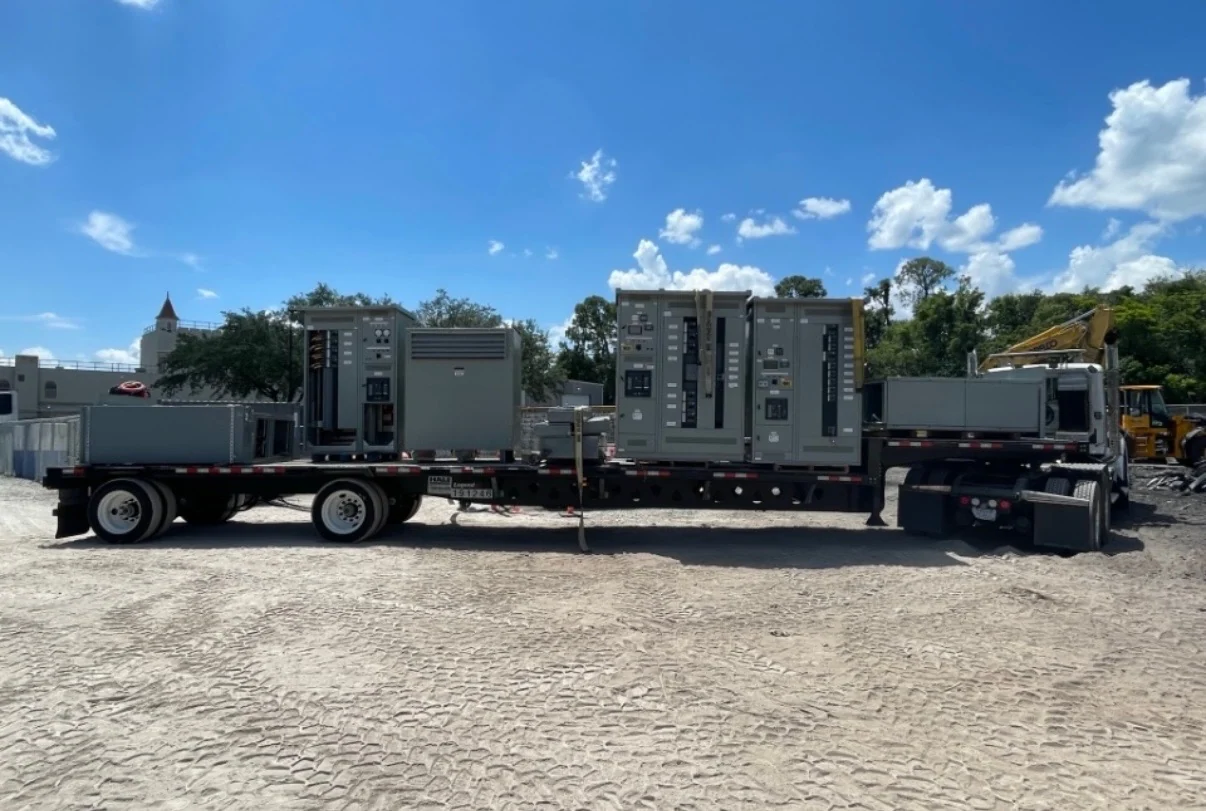
Nationwide shipping can be coordinated around the actual Buffalo destination, receiving constraints, freight terms, and project schedule. Identify the consignee, site contact, freight access, unloading equipment, storage limitations, weather protection, and desired shipping splits. The purchase documents should distinguish manufacturer-supplied drawings and equipment from field work performed by the electrical contractor, civil contractor, qualified rigging personnel, or commissioning team. Before energization, the project’s responsible professionals should complete installation checks, termination work, settings, and any agreed testing under the applicable procedures.