Start with the Industrial Feeder Profile
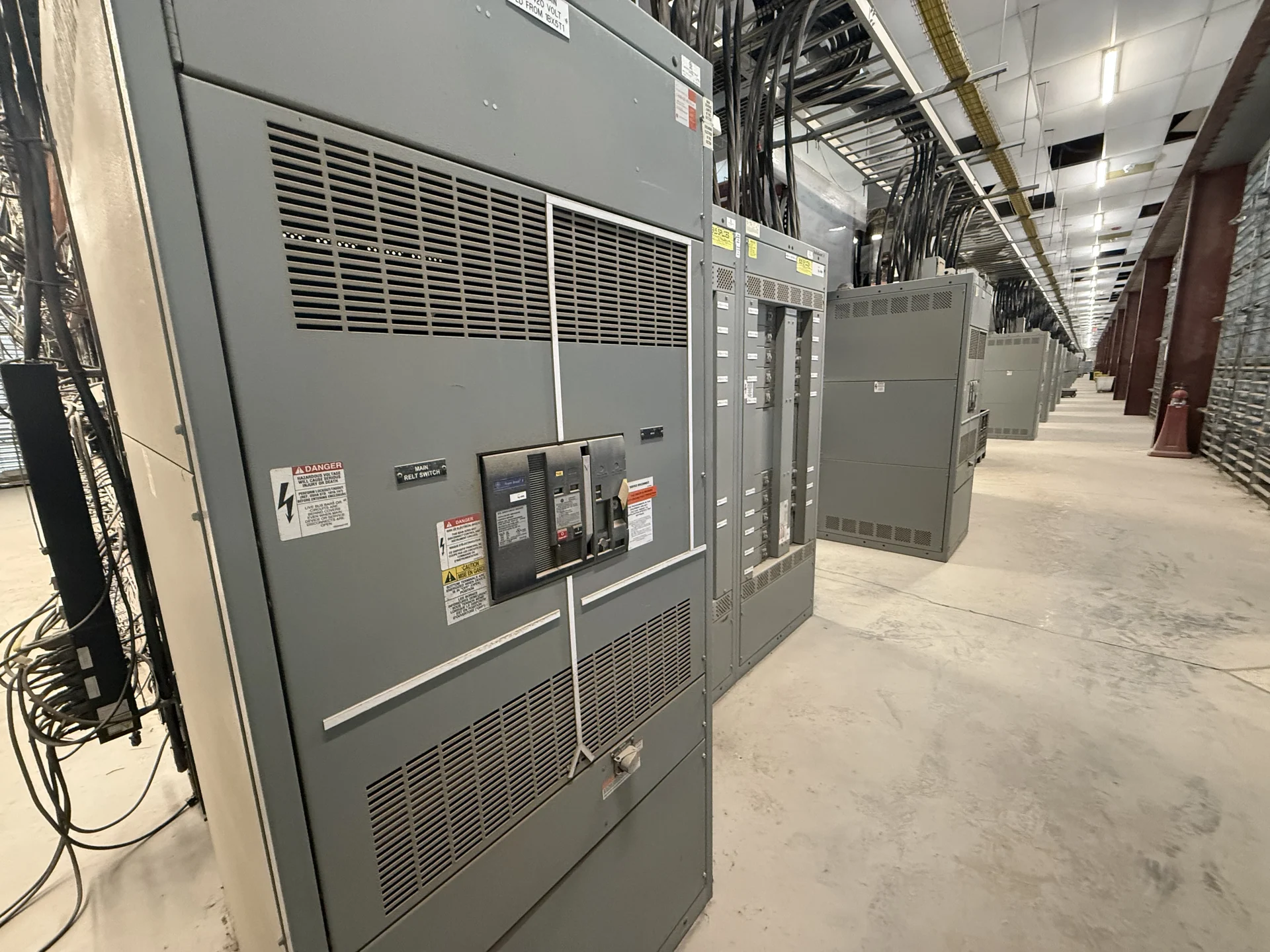
Planning Rapid City South Dakota switchgear for an industrial facility begins with the feeder profile, not a catalog label. Gather the one-line diagram, normal and emergency sources, connected load, motor contribution, transformer data, grounding method, expansion assumptions, and installation environment. A medium-voltage lineup may serve a transformer, process area, or multiple downstream feeders, but the correct arrangement depends on the actual electrical study and operating sequence. Switchgear Builders manufactures new custom electrical switchgear in the United States, using American components and supplying projects nationwide, with each proposal shaped around the documented site requirements.
Confirm Voltage Class and Insulation Requirements
Voltage class should be confirmed from the system nominal voltage, grounding arrangement, transformer connections, and utility or owner requirements. Do not select equipment solely because a nominal voltage appears familiar: phase-to-ground conditions, insulation coordination, basic impulse insulation level where applicable, altitude, switching duties, and cable terminations can change the engineering basis. For a Rapid City electrical distribution project, provide the source voltage, frequency, phase configuration, short-circuit information, and environmental conditions so the manufacturer and project engineer can evaluate the appropriate medium-voltage construction and interfaces before fabrication.
Coordinate Transformer Connections
Transformer connections affect both the physical lineup and the protection study. The equipment package should identify transformer primary and secondary voltages, impedance, winding connection, neutral treatment, inrush considerations, cable entry direction, and the intended disconnecting or switching function. Confirm whether the feeder arrangement needs a dedicated transformer section, fused protection, circuit-breaker protection, metering, or a defined tie to another source. These choices should be coordinated with transformer drawings and downstream distribution documents rather than assumed from a generic industrial switchgear schedule.
Define Protective Relaying and Operating Logic
Protective relaying is a system decision that extends beyond selecting a relay model. The design team should establish instrument-transformer ratios, sensing locations, trip outputs, communications, breaker control power, alarm contacts, event records, and the operating logic for normal, abnormal, and maintenance conditions. Time-current coordination should account for upstream utility or source protection, transformer behavior, feeder characteristics, and downstream devices. A custom manufacturer quote is more useful when it includes the protection narrative, relay settings basis, control schematics, and required terminal interfaces for review.
Evaluate Fault Duty and Grounding
Fault duty must be established from the available short-circuit study at the proposed equipment location, including contributions from utility sources, generators, motors, and transformers where applicable. Specify the required interrupting capability, short-time withstand, peak withstand, bus bracing, grounding conductors, and enclosure interfaces according to the project design. The equipment rating is not a substitute for a fault study, and a rating cannot be inferred from the facility name or city. Ask the engineer of record to identify assumptions that could change as sources, transformer impedance, or feeder topology develops.
Plan Layout, Access, and Site Interfaces
Industrial sites around Rapid City may present different room dimensions, cable routes, foundations, weather exposure, elevation changes, and delivery access, so the physical package requires site-specific information. Share room plans, equipment orientation, working clearances, lifting restrictions, cable bend space, conduit locations, ventilation needs, and the intended shipping split. Confirm who supplies terminations, field control wiring, anchorage, testing, and final connections. Nationwide shipping can be coordinated from the project destination and packaging requirements, but site receiving and rigging responsibilities should be assigned before release.
Build a Complete Manufacturer Quote Package
A practical request for medium-voltage switchgear for industrial facility feeders should include the one-line diagram, specifications, equipment schedule, fault study, relay philosophy, transformer data, layout drawings, cable details, control voltage, metering needs, communications requirements, environmental conditions, documentation list, destination, and requested commercial terms. Identify review milestones and request project-specific component availability and delivery estimates. Switchgear Builders can use those inputs to develop new custom equipment for customer purchase, with American components and nationwide shipment planning, while project-specific applicability of standards and any requested listing must be confirmed before commitment.