Plan the Commercial Service Before Selecting Equipment
A South Dakota commercial building project should begin with a clear description of the electrical service, not with a generic equipment label. Gather the nominal voltage, phase and wire arrangement, service configuration, calculated demand, continuous loads, available fault current, grounding method, and utility interface requirements. New low-voltage switchgear can then be built to the project’s defined main and feeder arrangement. Switchgear Builders manufactures custom electrical switchgear in the United States, using American components and supplying projects nationwide; final equipment scope remains subject to engineering review and project documentation.
Match Service Ratings to Actual Building Loads
Service ratings should reflect calculated load and the equipment’s intended duty rather than a convenient nominal size. Review the main device, bus continuous-current rating, feeder device ratings, interrupting or short-circuit requirements, and any documented allowance for future circuits. A commercial facility with tenant areas, HVAC equipment, elevators, kitchen loads, or electric heating may have a different operating profile from an office with modest receptacle demand. Ask the design team to reconcile schedules, one-line diagrams, and load calculations before a manufacturer prepares a custom quote.
Coordinate Feeder Protection and Operating Intent
Feeder protection is more than assigning breaker positions on a lineup. The project team should identify feeder destinations, conductor information, motor or transformer characteristics, selective-coordination objectives where required, protective settings, metering points, and the desired response to faults. Main-tie-main or other source arrangements require a defined operating sequence and interlocking approach. Provide the latest one-line diagram and coordination study inputs to the manufacturer so the new assembly can be reviewed against the building distribution concept rather than designed from incomplete assumptions.
Reserve Room Space for Installation and Maintenance
A workable switchgear lineup must fit the electrical room and the route into it. Confirm available wall length, lineup depth, front and rear access, working clearances, door swings, cable entry, ventilation, housekeeping pads, structural support, and the movement path from unloading to final placement. In South Dakota projects, the design team should also document indoor or outdoor exposure, seasonal site conditions, and any enclosure or space requirements imposed by the project. Dimensioned room drawings and access constraints help avoid late changes to sections, shipping splits, or terminations.
Build a Complete Manufacturer Quote Package
A useful request for South Dakota switchgear should include the single-line diagram, equipment schedule, service and feeder ratings, fault-duty information, enclosure environment, dimensions, control voltage, metering needs, communications requirements, cable-entry preferences, drawings required for approval, inspection or testing expectations, destination, and site access details. State which items are mandatory and which remain alternatives. Identify whether feeders enter from above or below, where neutral and grounding conductors terminate, and which devices need adjustment or remote indication. Note demolition interfaces only as background for the new design, while keeping the requested scope focused on the replacement assembly. Switchgear Builders can use that information to develop new custom electrical switchgear to the documented scope; shipping, packaging, project timing, and commercial terms must be confirmed for the specific order rather than assumed from the location.
Review Delivery, Receiving, and Field Interfaces
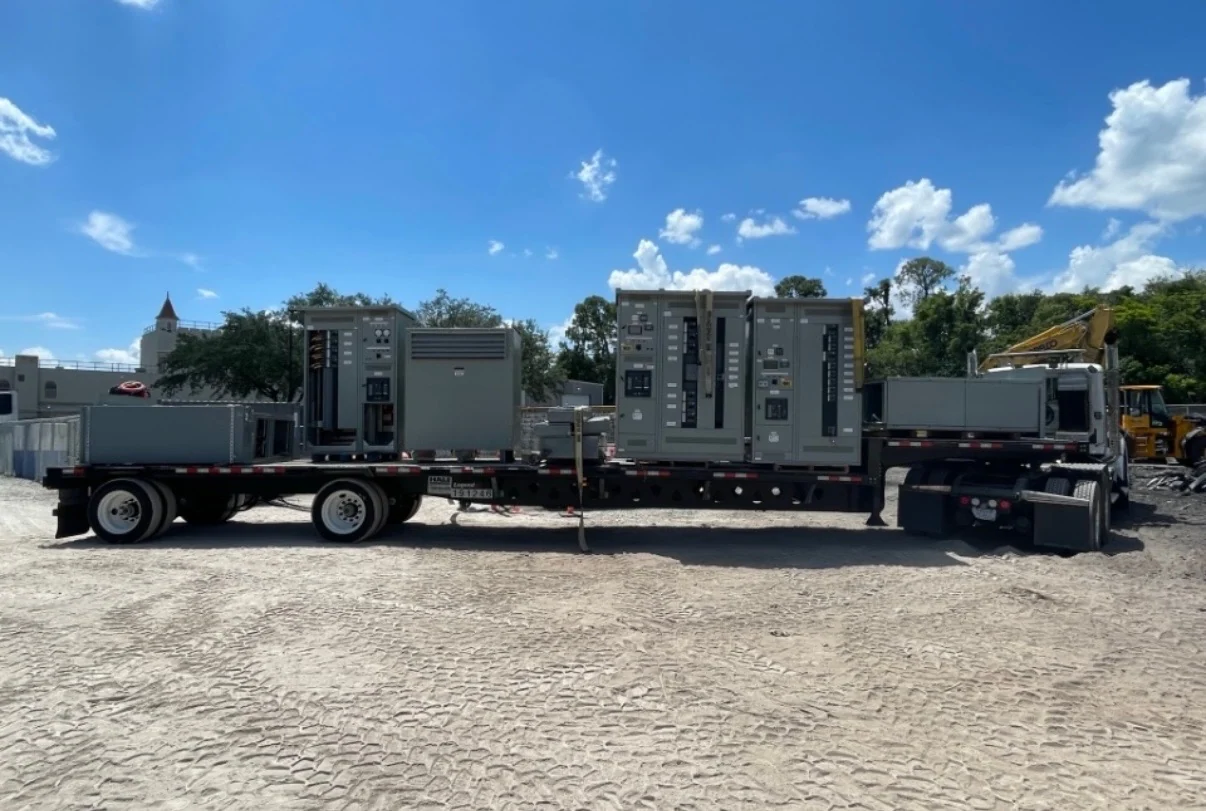
Nationwide shipping does not eliminate the need for coordinated receiving and installation planning. Before release, assign responsibilities for freight access, unloading, rigging, storage, inspection at receipt, damage documentation, anchorage, bus or cable connections, field control wiring, and energization checks. Confirm whether the lineup will ship as one assembly or in multiple sections and whether the site can accept its weight and dimensions. Project stakeholders should also identify the reviewing engineer, electrical contractor, utility contact, and authority requirements that govern final acceptance in South Dakota.