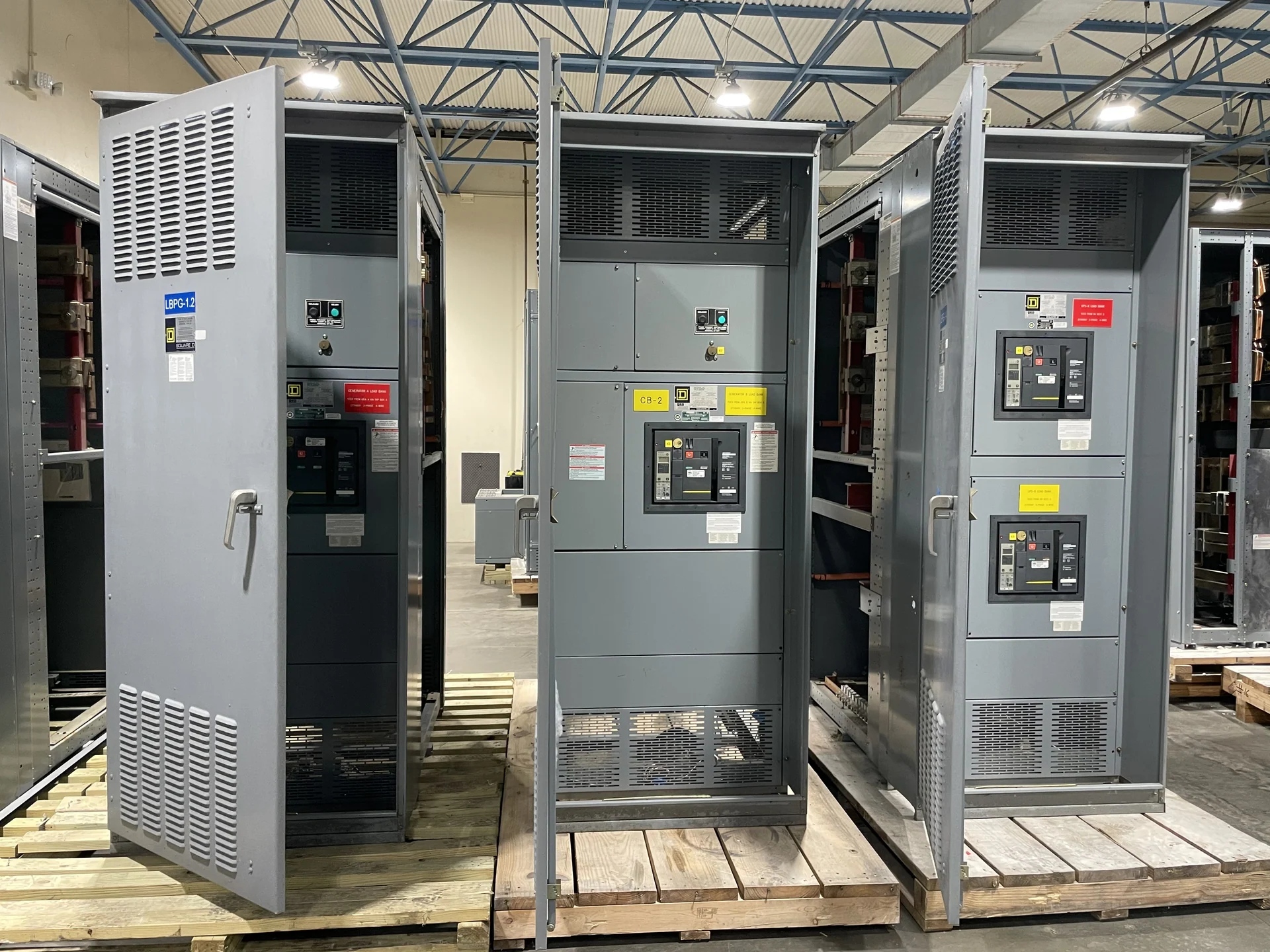
Start With the Healthcare Distribution Narrative
A healthcare project in Memphis, Tennessee needs more than a generic equipment description. The design team should map normal and alternate sources, essential electrical systems, critical branches, transfer equipment, downstream distribution, and the loads that must remain available during an outage. That narrative gives a manufacturer the context to build new switchgear or related distribution equipment to the project's documented requirements. Switchgear Builders manufactures in the United States, builds custom equipment to specification, uses American components, and ships nationwide; the final design still depends on the engineer's one-line diagram, calculations, specifications, and authority requirements.
Define Sources, Loads, and Transfer Interfaces
For healthcare backup power, identify every source interface rather than treating the generator as an isolated accessory. Useful inputs include utility service details, generator voltage and capacity, grounding method, service disconnect arrangement, feeder schedule, available fault current, phase and wire configuration, and the proposed transfer-switch locations. Separate life-safety, critical, and equipment loads where the project documents require that structure, then show which equipment is served by each source. A custom lineup may need dedicated sections, metering, control terminals, or tie points, but those choices must follow the approved sequence and equipment schedule instead of assumptions about a particular facility.
Make the Transfer Sequence Explicit
Transfer behavior should be written as an operating sequence that can be reviewed by the electrical engineer, controls team, installer, and facility representatives. Clarify how a source failure is detected, what starts the alternate source, which permissives must be satisfied, whether transfer is open or another project-defined arrangement, and how retransfer and source restoration are handled. Document interlocks, alarm contacts, remote indications, manual controls, and any load-shed or priority logic. Switchgear Builders can use these project inputs when preparing a new custom assembly, while the applicability of UL 891 and any project-specific listing or verification must be confirmed for the particular equipment.
Coordinate Outage Planning With Installation
A replacement or expansion affecting healthcare distribution should be planned around the existing electrical room, temporary power strategy, shutdown boundaries, and commissioning responsibilities. Confirm the route from receiving point to the room, doorway and turning dimensions, floor loading, lifting method, cable-entry direction, working clearances, and space for future maintenance. The outage plan should identify who isolates sources, who verifies absence of voltage, how essential loads are supported, and what tests are required before normal operation resumes. These are project controls, not promises of uninterrupted service; qualified site personnel must establish safe procedures and approvals for the specific installation.
Prepare a Complete Manufacturer Quote Package
A useful request for Memphis electrical distribution equipment should include the one-line diagram, equipment schedules, specifications, floor plan, elevations, conduit or busway interfaces, short-circuit study inputs, protective-device preferences, control schematics, metering needs, environmental conditions, and documentation requirements. Identify whether the scope is new construction, a replacement, an added feeder, or a phased renovation, and explain the required shipping destination and receiving constraints. Consistent information lets the manufacturer distinguish required scope from optional alternates and identify open engineering questions before fabrication. It also gives the customer a clearer basis for comparing custom switchgear quotations, including their stated scope, pricing, and delivery expectations.
Plan Documentation, Verification, and Delivery
Before release, review shop drawings against the approved one-line, dimensions, device data, terminal designations, labels, interlocks, and source-transfer sequence. Agree in advance on inspection points, continuity and insulation checks where applicable, functional demonstrations, witness participation, and the records to accompany the equipment. Packaging and shipping should reflect lineup sections, lifting points, protection from handling damage, destination access, and the responsibilities of the carrier and receiving team. As a U.S. manufacturer of new switchgear, Switchgear Builders supplies custom equipment and nationwide shipping coordination, while project-specific availability, freight terms, acceptance criteria, and field installation remain matters for confirmation on the order.