Plan the Rutland Distribution Scope
A facility expansion in Rutland, Vermont, can require more than adding a feeder to an existing lineup. The design team should first define the utility interface, service voltage, phase and grounding arrangement, calculated demand, available fault current, and the loads that the new electrical distribution must serve. Switchgear Builders manufactures new electrical switchgear in the United States, custom to project specifications, with American components and nationwide shipping. A clear scope lets the manufacturer distinguish a new lineup, an extension, or a coordinated replacement while keeping the equipment aligned with the engineer's one-line diagram and site conditions.
Review Existing Equipment Interfaces
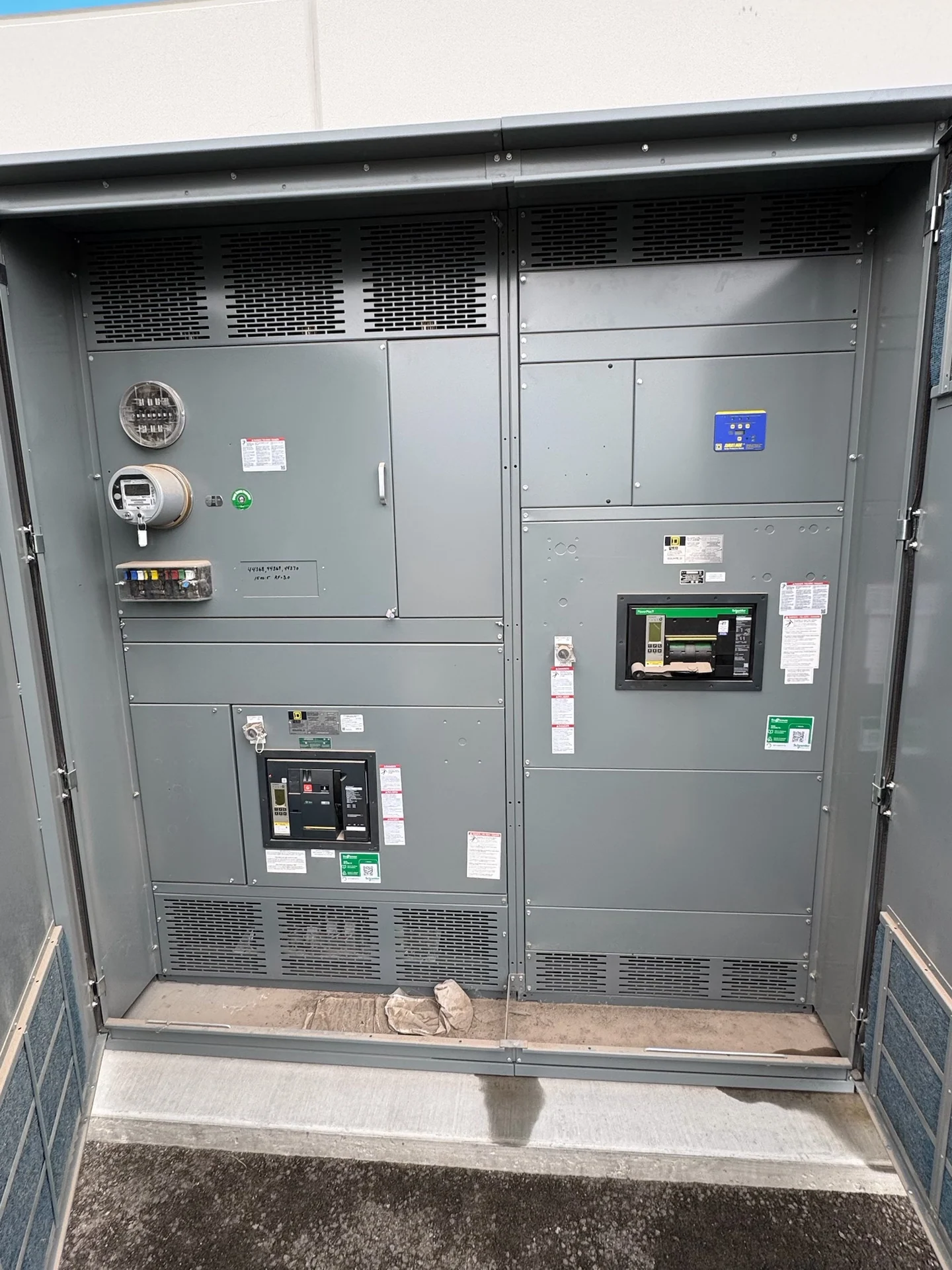
Existing equipment interfaces often determine whether an expansion is straightforward or requires careful redesign. Gather nameplate data, current one-line and wiring diagrams, bus and cable entry details, enclosure dimensions, protective-device information, control voltages, metering needs, and photographs that show access around the lineup. Confirm how the proposed equipment will connect to existing mains, ties, transformers, generators, or downstream distribution. Physical compatibility is not established by a similar product name; connection points, clearances, sequence of operation, and field conditions all need engineering review before fabrication.
Account for Load Growth and Protection
New feeders should be sized from a documented load study rather than from a convenient spare-space assumption. Identify present loads, planned additions, motor starting characteristics, continuous loads, diversity assumptions, and any future capacity the owner expects to use. The engineer should evaluate continuous current, interrupting or withstand duties as applicable, conductor terminations, and selective coordination across the distribution system. For a Rutland electrical distribution project, weather, building occupancy, process changes, and utility information may affect the final specification. Protective settings and arc-flash considerations remain project responsibilities requiring qualified analysis, not generic equipment promises.
Design Around Available Space
Available space includes more than the footprint shown on a floor plan. Measure the movement path from receiving to the electrical room, door and corridor dimensions, turning restrictions, floor loading information, lifting access, working clearances, ventilation, cable routing, and room changes that may occur during construction. A custom lineup can be organized around the actual installation interfaces, but the design still must preserve access for connection, operation, inspection, and maintenance. Provide the manufacturer with a dimensioned room plan and identify obstructions early so enclosure sections, shipping splits, and field connections can be coordinated before approval. Rutland-area projects may involve compact downtown rooms, industrial additions, or distributed buildings; treat those as planning examples rather than assumptions about a particular site. For a new feeder, document the source section, destination load, cable route, termination orientation, and whether construction must proceed around occupied spaces. Vermont winter conditions can also affect receiving, indoor staging, and temporary weather protection, so the contractor should confirm the protected path and handling plan before shipment. If the expansion crosses a property or utility boundary, identify the responsible engineer and approving authority for each interface, then reconcile their comments in the submittal set. This preparation reduces late dimensional changes without promising a particular configuration or schedule.
Coordinate Outage and Installation Windows
Expansion work frequently touches energized infrastructure, so the project team should define outage boundaries before equipment is ordered. Identify which loads can be interrupted, whether temporary power is needed, who controls switching, and what testing or inspection must occur before energization. Compare installation sequences that use staged feeder cutovers, a planned shutdown, or separate new distribution before final tie-in. The manufacturer can use the agreed sequence to organize drawings, terminals, labeling, and documentation, while the owner, engineer, contractor, and qualified electrical personnel remain responsible for site safety, permits, switching procedures, and field verification.
Prepare a Complete Manufacturer Inquiry
A useful inquiry for switchgear for facility expansion and new electrical feeders should include the one-line diagram, equipment schedule, specifications, site and destination details, required lineup dimensions, feeder count, device types, ratings, control schematics, metering, communications, enclosure environment, cable-entry preferences, documentation list, and requested review milestones. State what is known versus what still requires engineering confirmation. Switchgear Builders can evaluate a new custom-build request from those inputs and arrange nationwide shipping to the project destination; any project-specific applicability of UL 891, other standards, testing, schedule, and commercial terms must be confirmed during design review rather than assumed from a location.