Start with the Healthcare Electrical Sequence
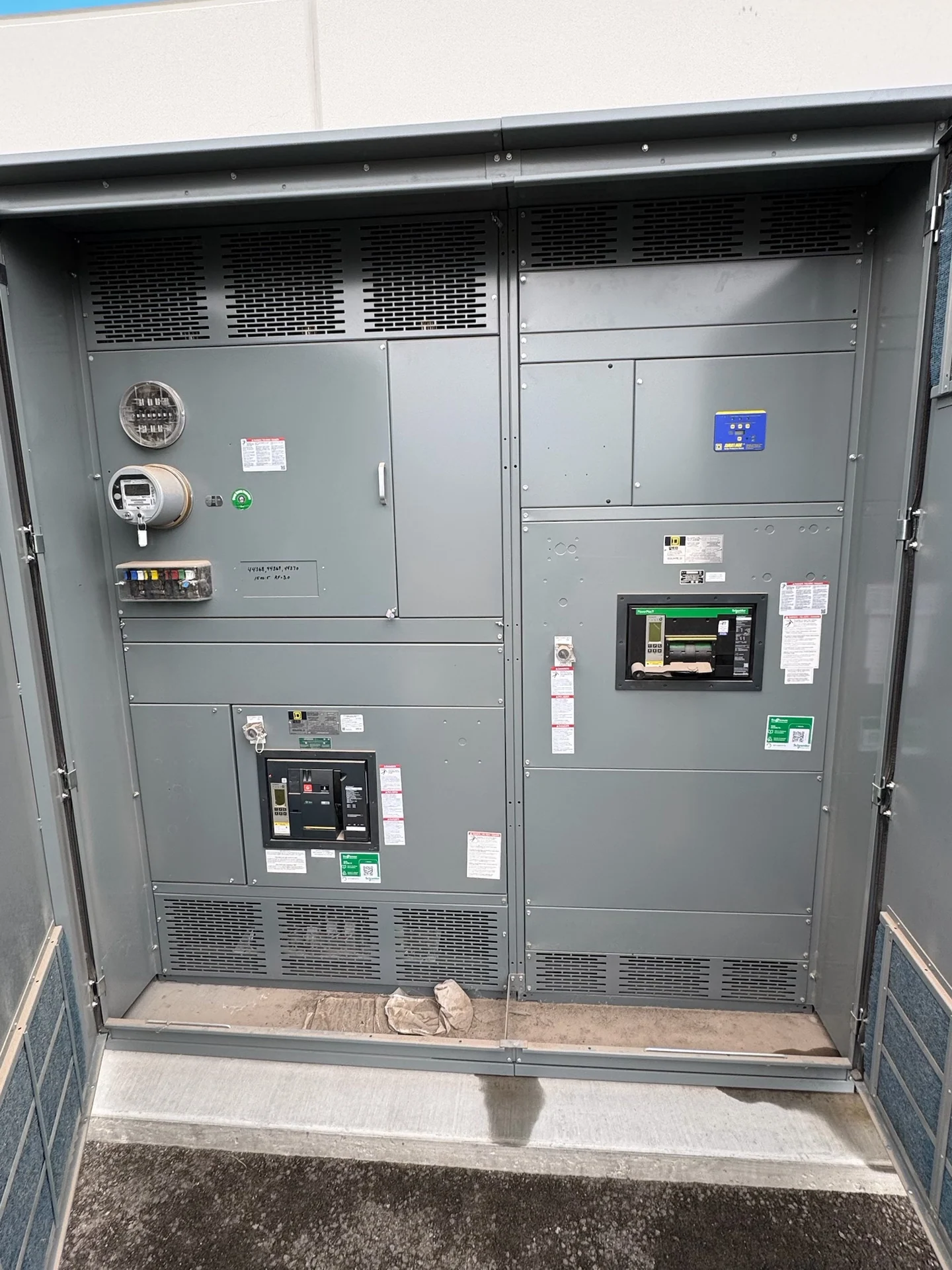
Healthcare backup power switchgear in Richmond, Virginia should begin with the facility’s electrical sequence, not with a catalog label. Identify normal sources, emergency sources, transfer equipment, distribution sections, and the loads that must remain energized. A project team should map which source serves each essential branch, what happens when normal power is lost, and how restoration occurs. That sequence gives a manufacturer the context needed to develop new distribution and transfer equipment around the actual installation rather than a generic arrangement.
Separate Essential Loads by Function
Load schedules should distinguish life-safety, critical, equipment, and other project-defined branches, while also recording voltage, phase, estimated demand, starting characteristics, and downstream protective devices. Hospitals and other healthcare facilities may include patient-care areas, communications, fire protection, ventilation, medical support systems, elevators, pumps, and information technology. The design team should confirm which loads share a transfer source, which require independent paths, and whether selective coordination or operational priorities affect the lineup.
Define Transfer and Control Requirements
A useful inquiry describes more than the desired source capacity. It explains open or closed transition where applicable, preferred source logic, retransfer conditions, manual controls, remote indications, alarms, interlocks, bypass or maintenance provisions, and generator-start interfaces. Engineers should document the permitted interruption for each load group and the operating sequence during testing or a partial outage. Switchgear Builders can review these project inputs to build new custom switchgear with American components to the specified interfaces, subject to engineering confirmation. Document who verifies the generator-start signal and the retransfer sequence during commissioning.
Coordinate Ratings and Physical Interfaces
Before requesting a quote, assemble the one-line diagram, available fault-current information, system voltage and frequency, grounding method, continuous-current requirements, protective-device data, enclosure conditions, cable-entry details, and room dimensions. Confirm working clearances, equipment movement paths, anchorage expectations, heat dissipation, and access for installation and maintenance. Existing drawings may help establish connection points, but a qualified design team should reconcile them with current field conditions and the planned outage strategy before final equipment documentation. On a Richmond project, distinguish a campus-wide emergency distribution concept from the equipment serving one building or renovation area; that boundary affects feeder terminations, source naming, and transfer control ownership. Ask for the latest utility and generator one-lines, not only an older as-built set, and flag temporary feeds, phased construction, or planned generator paralleling for engineering review. Where equipment serves patient-care spaces, identify cable routes, fire-rated penetrations, seismic or anchorage criteria, and environmental conditions at the electrical room so enclosure and mounting decisions are based on the installation. Record breaker trip settings and metering points as coordinated design inputs, not assumptions to resolve after shipment.
Plan Outages, Testing, and Documentation
Healthcare work demands careful coordination between the facility, electrical engineer, contractor, controls personnel, utility or source stakeholders, and the equipment manufacturer. Build an outage plan that identifies temporary power decisions, switching authority, notification steps, verification points, and return-to-service checks. Define the factory test scope in advance, including continuity, insulation, control logic, transfer simulation, alarm points, and witness records where appropriate. Any applicable standard, code, or UL 891 requirement should be identified and confirmed for this specific project rather than assumed.
Request New Richmond-Serving Equipment from the Manufacturer
For a Richmond-area healthcare project, a quote package should state the site location, project phase, equipment type, source arrangement, essential-load schedule, ratings, dimensions, transfer sequence, drawings required, testing expectations, and shipping constraints. Include the responsible engineer, installer coordination points, preferred submittal format, equipment access route, receiving contact, and any limits on shutdowns or temporary generation. A complete request helps separate confirmed requirements from assumptions and highlights questions that need resolution before fabrication. Plan receiving as carefully as design: verify shipping sections, lifting points, storage conditions, inspection responsibilities, and the sequence for placing equipment without obstructing patient-care operations. Field personnel should confirm terminations, control interfaces, grounding connections, and settings against approved documents before energization, with responsibilities assigned before site work begins. Switchgear Builders manufactures new electrical switchgear in the United States, builds custom to specification, supplies American components, and ships nationwide. Project review should establish the final scope, configuration, documentation, applicability of standards, and delivery expectations for the individual inquiry.