Plan the Washington Distribution Application
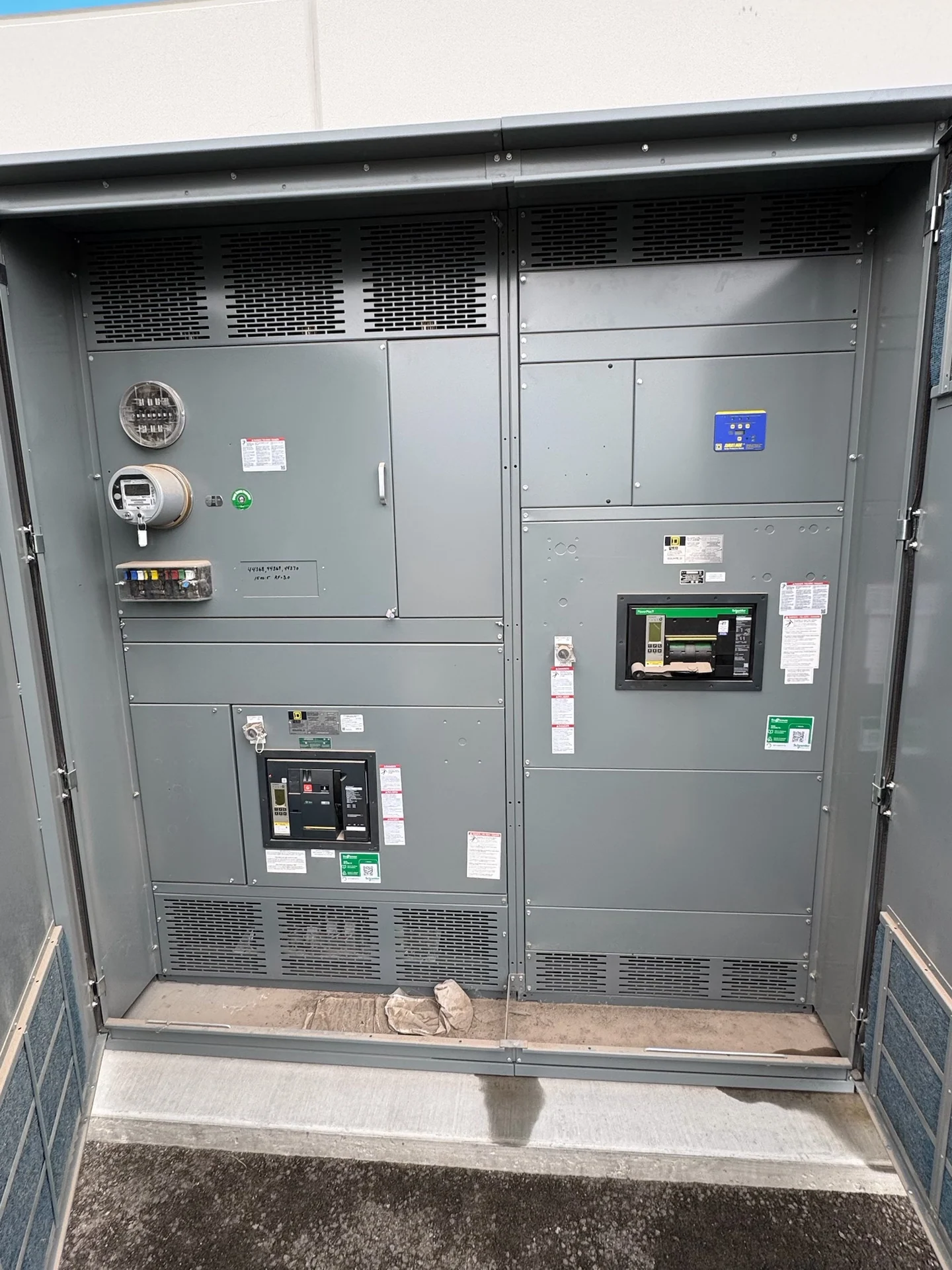
Washington electrical distribution projects can use pad-mounted switchgear when outdoor placement, sectionalizing, or controlled feeder switching is part of the system plan. The equipment decision should begin with the one-line diagram, source arrangement, nominal voltage, phase and frequency, grounding method, continuous current, and available fault current. Site conditions matter just as much: a coastal location may raise corrosion questions, while mountain, agricultural, urban, or industrial settings can create different access and environmental constraints. Switchgear Builders manufactures new electrical switchgear in the United States, custom to specification, using American components and supplying equipment with nationwide shipping. Final design details remain project-specific and require engineering review.
Define Switching Duty and Operating Sequence
Pad-mounted switchgear should be specified around what operators must switch, isolate, or sectionalize, rather than around a product label alone. Identify whether the lineup serves a radial feeder, loop arrangement, transformer connection, generation interface, or another distribution topology. Document normal and alternate source positions, the devices that may operate under load, fault-clearing responsibilities, interlocks, grounding provisions, and any required visible isolation. Protective coordination should be reviewed across upstream and downstream devices so the selected switches, fuses, breakers, and relays are appropriate to the system duty. A written operating sequence gives the manufacturer and field team a common basis for layout and review.
Match the Enclosure to Outdoor Exposure
Outdoor pad-mounted equipment needs an enclosure strategy that reflects the actual Washington site, not a generic outdoor assumption. Specify exposure to rain, snow, wind-blown moisture, salt air, dust, irrigation, chemicals, flooding potential, sunlight, and temperature variation where those conditions apply. Confirm the intended enclosure construction, doors, locks, barriers, drainage approach, finish, corrosion considerations, and environmental rating with the project engineer. The surrounding pad and clear area also influence serviceability: personnel need a safe approach, doors need room to open, and the installation must preserve required working space. Do not infer an enclosure rating or environmental qualification until it is documented for the particular design.
Coordinate Cable Entry and Terminations
Cable entry is a practical design constraint for pad-mounted switchgear because conduit routes, bending space, termination orientation, and underground work must align with the enclosure and the site. Provide cable sizes, conductor material, insulation information, quantity, phase arrangement, neutral or grounding conductors, termination type, and entry direction when requesting a design. Confirm whether cables enter from below, how spare provisions are handled, and how the equipment interfaces with transformers, risers, or adjacent distribution sections. The civil and electrical drawings should agree on pad dimensions, stub-up locations, trench geometry, grounding, and drainage before fabrication proceeds. These details reduce field changes without assuming a particular site layout.
Review Access, Pad, and Installation Interfaces
A workable Washington switchgear installation includes more than electrical ratings. Review the equipment footprint, pad elevation, anchorage, lifting points, shipping sections, delivery route, turning space, overhead obstructions, security, and the handling method selected by qualified project personnel. Coordinate doors and operating handles with fences, bollards, sidewalks, roads, vegetation, and adjacent equipment. The project team should also establish who prepares the foundation, installs conduits, makes field terminations, performs grounding work, and verifies the completed installation. Sharing civil plans, access restrictions, and receiving requirements early lets a manufacturer build around real interfaces while leaving field means and methods to the responsible contractor.
Prepare a Manufacturer Quote Request
For a useful quote on Washington switchgear, send the manufacturer the one-line diagram, equipment schedule, voltage and current data, short-circuit information, switching and interlocking narrative, enclosure and environmental requirements, cable-entry details, dimensions, metering or control needs, drawings required for review, destination, and desired commercial scope. State whether the project has utility requirements or special submittal procedures, and identify questions that must be resolved before release. Switchgear Builders can use that project information to develop new custom equipment for the stated application, with American components and nationwide shipping from the manufacturer. Confirm project-specific service, shipping terms, and delivery estimates rather than assuming them from geography.