Plan Seattle Distribution Around the Facility Mission
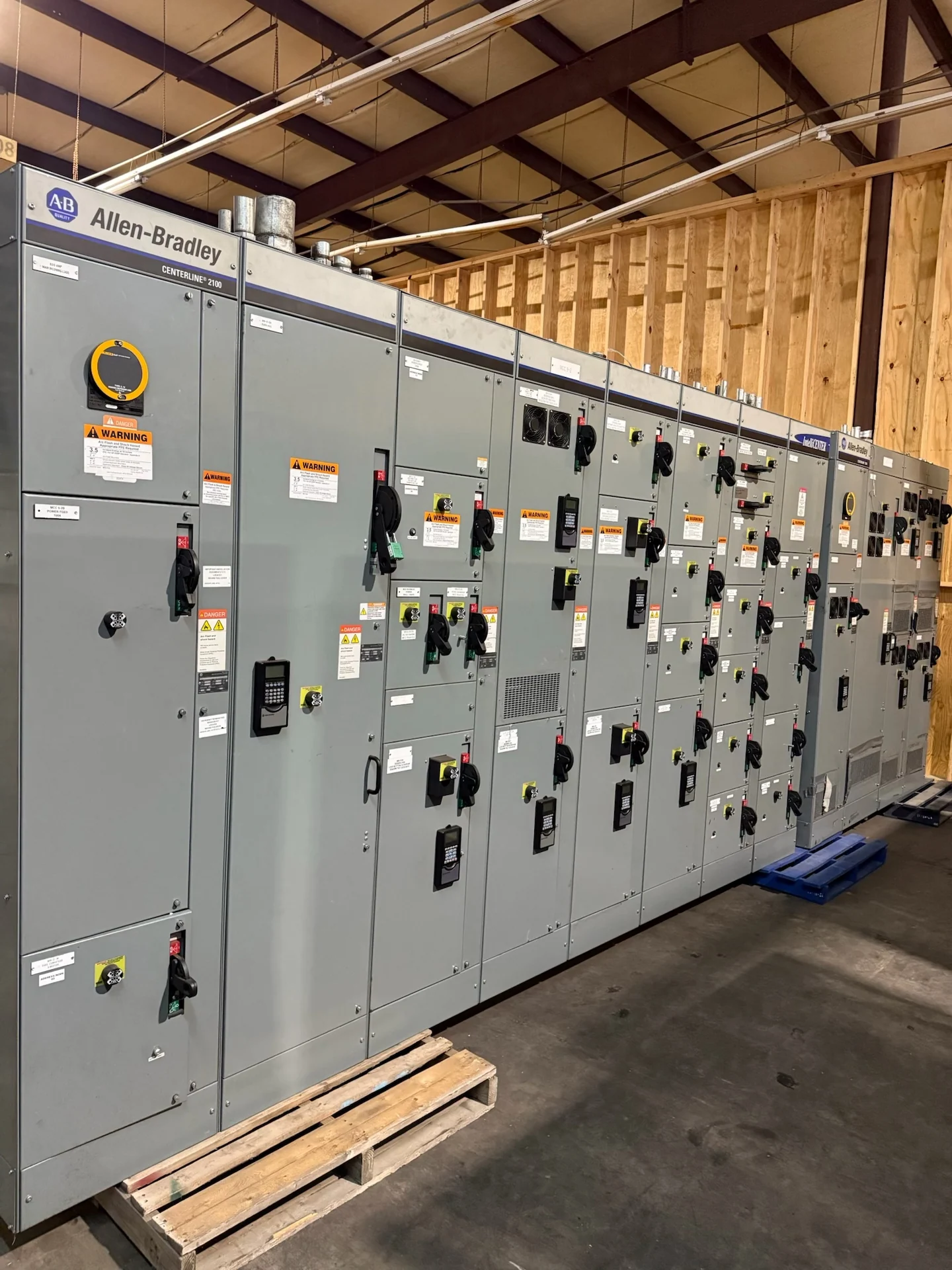
Seattle Washington switchgear projects begin with the facility mission, not a preferred enclosure or breaker arrangement. A data center may require separate normal and standby paths, while a commercial or industrial site may prioritize selective coordination, maintainability, or expansion space. Define the incoming sources, transformer interfaces, essential loads, expected operating modes, and consequences of an interruption before requesting equipment. Documenting those assumptions early also gives the engineer and manufacturer a common basis for reviewing alternatives. Switchgear Builders manufactures new electrical switchgear in the United States, builds custom to specification with American components, and supplies equipment for nationwide shipping; the project documents should establish the exact configuration and scope.
Define Redundant Power Paths Clearly
Redundancy is an operating concept that must be translated into physical buses, sources, ties, controls, and maintenance procedures. A design team should identify whether paths are independent, when a bus tie may close, which loads can transfer, and what interlocks prevent an unsafe or unintended source connection. For a Seattle electrical distribution project, also document room access, cable routing, grounding, environmental exposure, and the relationship between utility, generator, UPS, and downstream equipment. A manufacturer can then review a one-line diagram and equipment schedule rather than infer the sequence from a general request for backup switchgear.
Coordinate Generator Interfaces and Transfer Logic
Generator interfaces deserve a coordinated review of feeder ratings, breaker functions, protective relays, grounding method, synchronizing requirements where applicable, and the transfer sequence for each defined load group. The equipment specification should identify whether the generator connects through dedicated breakers, a transfer assembly, a common bus, or another project-selected arrangement. Confirm control power sources, permissive signals, remote indications, communications points, and manual operating provisions with the engineer and controls team. These details affect compartment layout, wiring, testing, and the drawings supplied with new custom switchgear.
Design for Maintenance Access Without Guesswork
A maintainable lineup needs more than a compact footprint. Review working clearances, door swing, removable-device travel, lifting or handling provisions, cable termination space, ventilation, and the route from receiving to the electrical room. For a data center, map how one source or section can be isolated while the intended loads remain supported, then align that operating plan with interlocks and labeling. The final dimensions should come from the project layout, equipment ratings, installation method, and qualified field coordination, not from an assumed standard lineup or a generic Seattle building condition.
Review Fault Duty and Protective Coordination
Protective coordination connects the available fault current study, device interrupting ratings, bus withstand requirements, time-current characteristics, and settings strategy. Provide the manufacturer with the latest utility information, transformer data, generator contribution, feeder lengths, grounding details, and downstream device schedule when those inputs are available. The engineer should determine whether selective coordination, arc-flash mitigation, or special relay functions apply to the project. Switchgear Builders can build to the approved requirements, while the responsible design team confirms ratings, settings, study results, and field commissioning responsibilities.
Prepare a Complete Manufacturer Quote Request
A useful quote request for Seattle switchgear should include the one-line diagram, system voltage and frequency, phase and wire configuration, continuous current, short-circuit information, enclosure environment, dimensions, source and feeder count, metering, control voltage, communications, cable entry, shipping destination, and requested documentation. State the required witness points, inspection records, test plan, drawing review process, and site responsibilities separately from the equipment description. If UL 891 may apply, identify it as a project-specific requirement and confirm applicability, construction expectations, and any listing needs for the particular assembly before finalizing the order.