Plan Spokane Healthcare Distribution Around Essential Loads
A healthcare project in Spokane, Washington, begins with a defensible map of essential and nonessential loads rather than a generic equipment request. Identify life-safety, critical, equipment, and legally required loads as applicable to the facility design, then document their sources, feeders, expected demand, starting characteristics, and allowable interruption. A manufacturer can build new switchgear and transfer equipment around those project inputs, using American components and custom details when specified. The final arrangement should be coordinated with the engineer of record, facility operators, utility information, and the requirements governing the particular site.
Define Sources, Buses, and Transfer Sequences
Healthcare backup power depends on what happens during a source loss, restoration, maintenance condition, or abnormal operating state. Before requesting Spokane electrical distribution equipment, describe the normal source, alternate source, generator interfaces, main and feeder devices, bus sections, transfer equipment, bypass provisions if required, and interlocking philosophy. State whether loads transfer together or by groups, what prevents unintended paralleling, and how retransfer is authorized. These details let the manufacturer develop a custom lineup whose physical compartments, controls, terminals, and documentation reflect the intended operating sequence instead of guessing from a device list.
Coordinate Equipment Ratings With the Facility Study
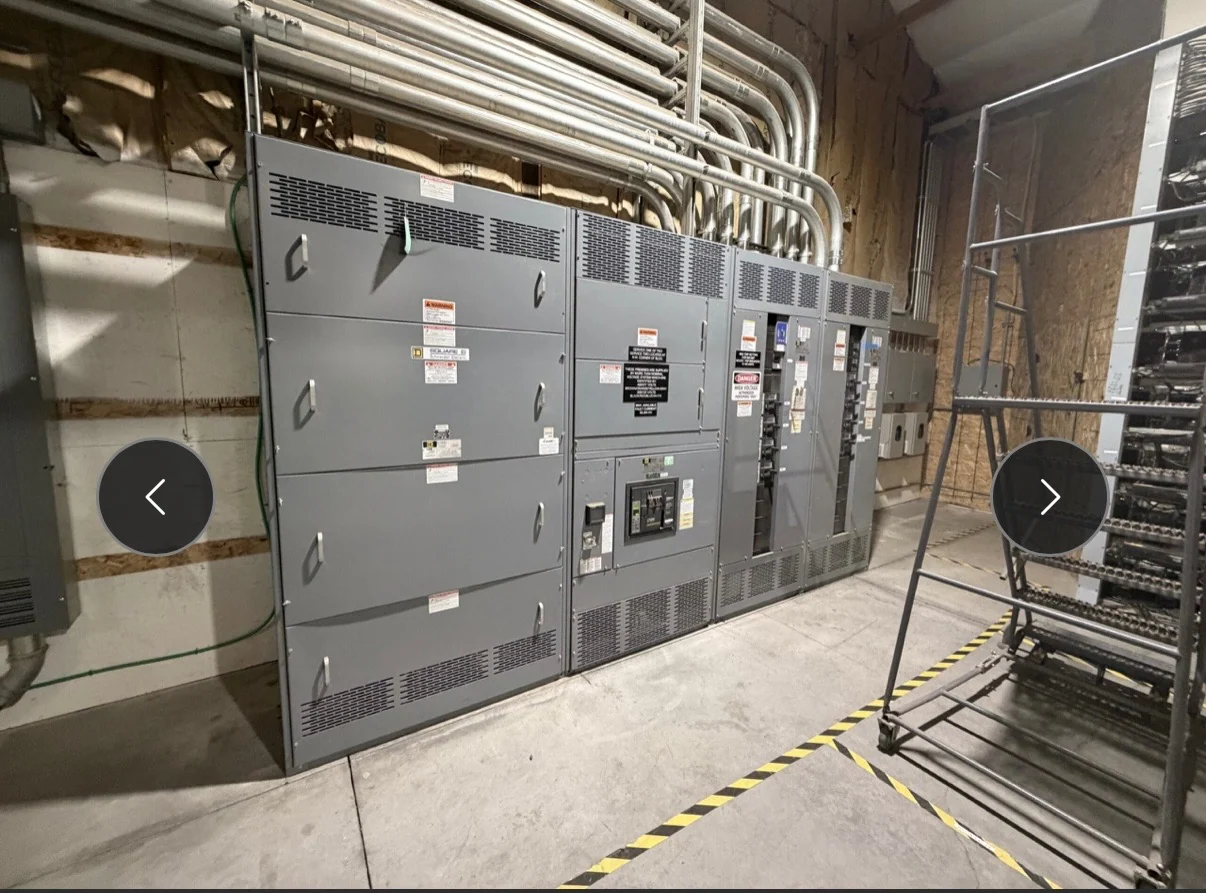
The equipment specification should connect every major rating to an engineering input. Confirm system voltage, phase and frequency, grounding method, continuous current, available fault current, interrupting duties, short-circuit withstand requirements, environmental exposure, enclosure conditions, and cable or busway interfaces. For a healthcare backup-power lineup, also review generator contribution, transformer characteristics, selective coordination objectives, and protective settings across normal and emergency sources. Switchgear and switchboards are not interchangeable labels; the selected construction and transfer arrangement must match the one-line diagram, installation space, maintenance access, and applicable requirements for the project.
Design for Outage Planning and Installation Access
Outage planning is a design constraint, not merely a field scheduling task. Provide existing one-line diagrams, room drawings, equipment dimensions, conduit routes, termination locations, lifting paths, floor conditions, and the sequence by which an installer will isolate, remove, place, connect, test, and energize the new assembly. For a Spokane site, weather and transportation conditions may affect receiving and site coordination, but actual logistics depend on the destination and project plan. At a Spokane healthcare site, confirm whether the electrical room is reached through a loading dock, corridor, or exterior route, and measure every turn, doorway, threshold, and overhead obstruction before finalizing shipping splits. Review snow, freeze-thaw exposure, and moisture at outdoor transitions with the engineer, while keeping indoor equipment-room conditions tied to the specified enclosure and ventilation requirements. Ask the installer to identify temporary power, crane or forklift needs, laydown space, traffic controls, and protected staging during an outage. A receiving checklist should match section weights, lifting points, labels, hardware, and damage documentation to the approved shipping plan. New equipment can be supplied nationwide; freight terms, packaging, delivery assumptions, and rigging responsibilities should be agreed in writing.
Build Documentation Into the Equipment Package
A useful submittal package gives the healthcare team enough information to review both normal operation and emergency operation. Request drawings showing elevations, compartments, bus arrangement, device identification, control wiring, terminal points, interlocks, source designations, and shipping splits where applicable. Include equipment schedules, nameplate data, setting information, wiring diagrams, installation notes, and a project-defined inspection and test plan. If UL 891 is relevant to a switchboard portion or assembly, its applicability, construction requirements, and any project-specific listing or verification must be confirmed for that exact design.
Request New Spokane-Area Project Pricing Clearly
When seeking a quote for Spokane healthcare backup power, send the manufacturer the latest one-line diagram, load schedule, source data, required equipment type, ratings, dimensions, environmental conditions, transfer sequence, metering or communications needs, delivery destination, and documentation expectations. Identify what is furnished by others, who owns controls coordination, and which reviews or witness activities are required. Switchgear Builders manufactures and supplies new electrical switchgear in the United States, custom to specification, with American components and nationwide shipping. Project-specific engineering review determines the final configuration, scope, and commercial terms. Clear inputs also reduce ambiguity during design review and help the project team compare technically equivalent proposals.