Planning West Virginia Critical-Load Distribution
A West Virginia facility planning new electrical distribution equipment should begin with the loads that must remain supplied when the normal source is unavailable. Hospitals, water and wastewater sites, communications facilities, campuses, industrial operations, and commercial buildings may each define critical service differently. Identify required loads, source types, operating voltage, phase, frequency, grounding method, available fault current, and expansion expectations before selecting automatic transfer switches or the switchgear around them. Switchgear Builders manufactures new custom electrical switchgear in the United States, using American components and shipping nationwide, with the final configuration developed from project requirements rather than a generic location assumption.
Define the Transfer Sequence Before Equipment Design
An automatic transfer switch is part of an operating sequence, not an isolated box. The design team should state how normal-source failure is detected, what qualifies an alternate source, whether transfer is open or another project-defined arrangement, how retransfer occurs, and what happens when either source is unavailable. Include generator start signaling, time delays, load-shed logic, bypass or maintenance provisions if required, and manual operating responsibilities. A clear sequence lets the manufacturer coordinate controls, terminals, interlocks, protective devices, and lineup sections with the engineer and installer before fabrication begins.
Coordinate Source Capacity and Protection
Source capacity must be checked for both normal and alternate operation. A generator may have different continuous, standby, motor-starting, or short-circuit capabilities than the utility source, while connected loads can change as pumps, drives, heating equipment, or process machinery start. Provide load calculations, motor data, generator information when applicable, transformer details, feeder lengths, and available fault-current values. Engineers should review breaker or fuse ratings, selective coordination objectives, grounding, and protective settings for the complete distribution system; an automatic transfer switch cannot correct an upstream capacity or coordination mismatch by itself.
Account for Installation and Maintenance Access
Physical planning is especially important when a West Virginia project involves an existing electrical room, constrained access route, phased construction, or equipment that must remain energized during portions of the work. Confirm lineup dimensions, door swings, working clearances, cable entry, termination space, ventilation, lifting and movement paths, anchorage, and the location of control interfaces. Maintenance personnel also need a practical way to inspect switching devices, operate controls, isolate equipment where the design permits, and understand the normal and alternate source positions. These details should appear on coordinated drawings rather than being left to field interpretation.
Prepare a Complete Manufacturer Quote Request
For a useful new switchgear quote, send the manufacturer the one-line diagram, equipment schedule, specifications, site and destination information, dimensions or room constraints, source data, load priorities, transfer sequence, control voltage, metering needs, communications requirements, cable terminations, and requested drawings or test records. Note whether the project is new construction, an expansion, or a replacement interface, while keeping existing conditions clearly documented for engineering review. Switchgear Builders can use this information to develop a custom equipment scope and clarify inclusions, exclusions, shipping responsibilities, approval steps, and delivery expectations for the West Virginia project.
Coordinate Delivery and Project Documentation
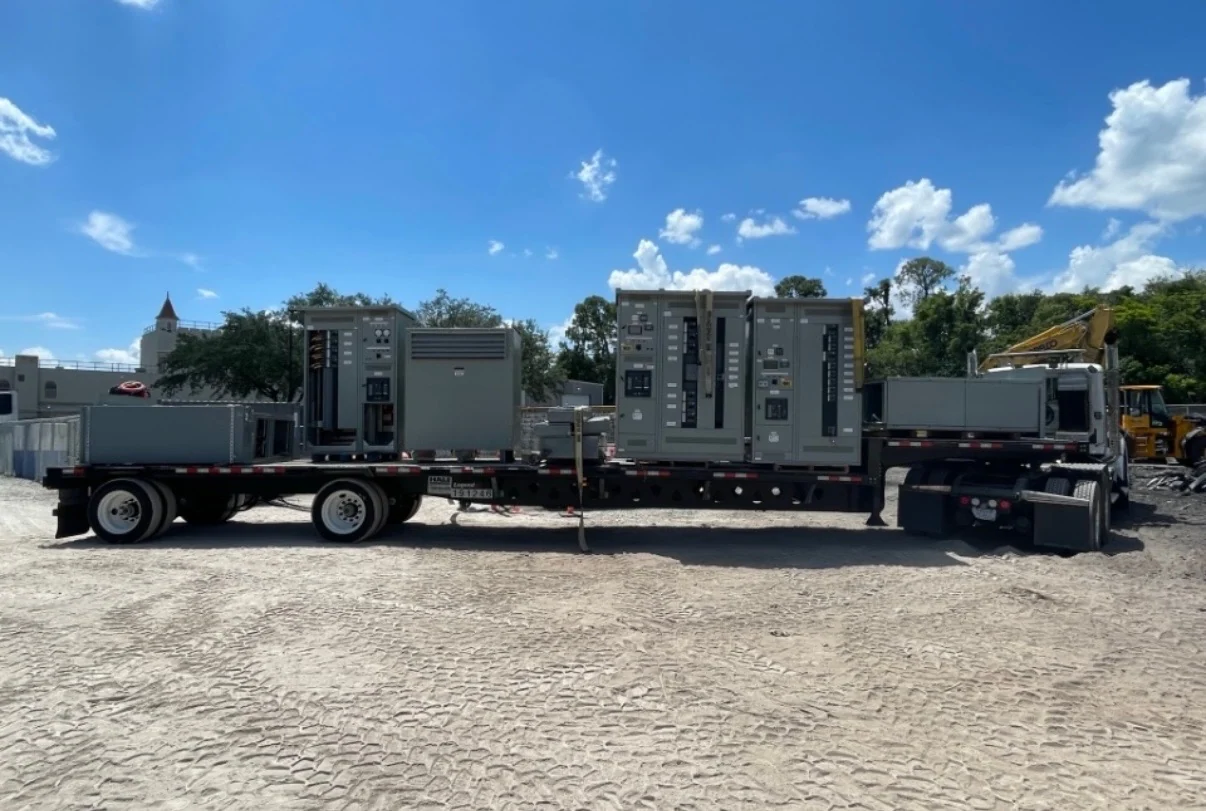
Nationwide shipping requires coordination among the manufacturer, electrical contractor, carrier, rigging provider, and site representative. Confirm the destination, receiving hours, unloading equipment, shipment splits, lifting points, packaging expectations, freight terms, and inspection responsibilities before release. The project record should also identify approved drawings, device data, wiring diagrams, control logic, nameplate information, test procedures, and final documentation requirements. If the specification references UL 891, determine with the project engineer whether it applies to the particular assembly and confirm any required listing or verification for that project; do not assume it applies to every switchgear arrangement.