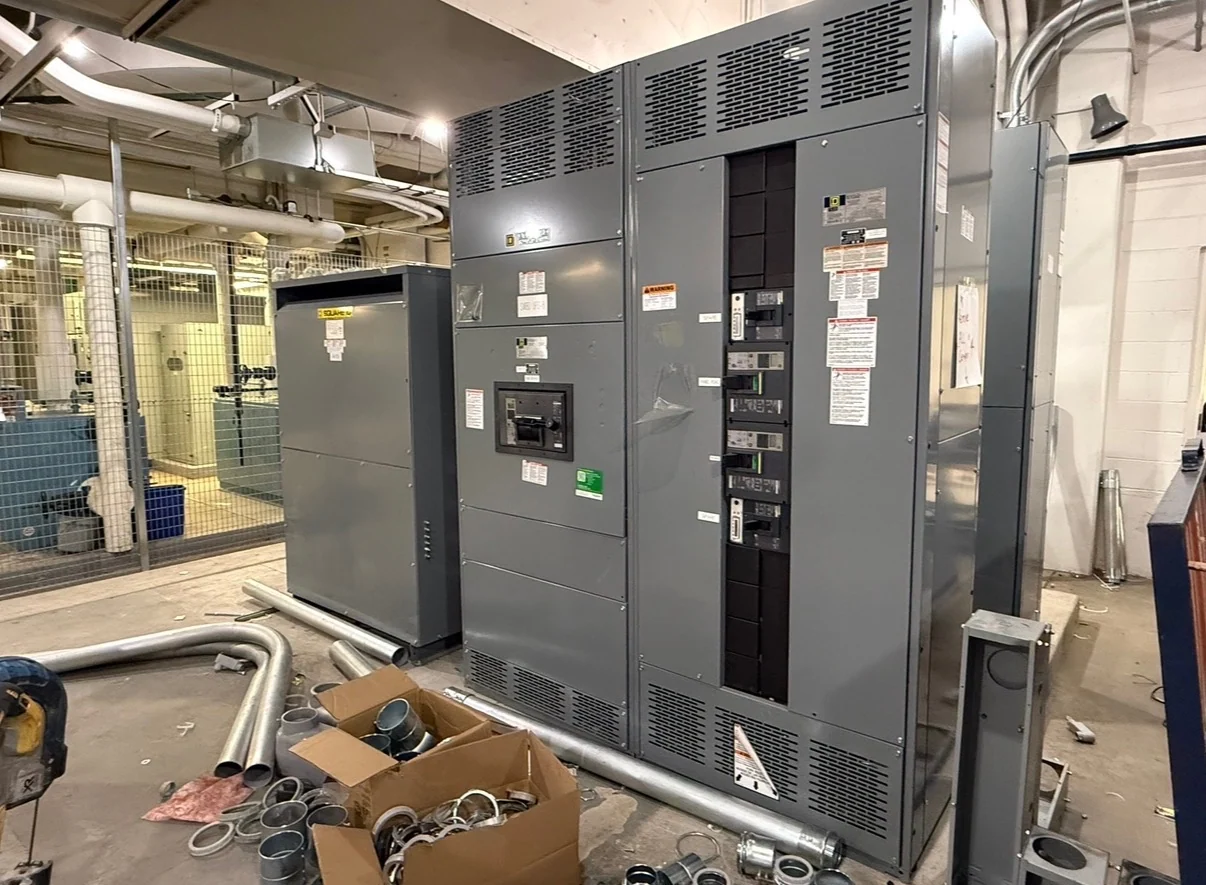
Start with the Cheyenne Industrial Feeder Profile
A medium-voltage switchgear package for an industrial facility in Cheyenne should begin with the electrical system, not a catalog label. Define the utility or generation source, nominal voltage, frequency, phase arrangement, grounding method, feeder count, transformer connections, and operating sequence. The site plan also matters: identify indoor or outdoor installation, elevation and weather exposure, cable entry direction, available working space, equipment movement paths, and the loads that must remain energized during planned switching. These inputs let a manufacturer develop new equipment custom to the project rather than forcing a generic lineup into an unsuitable application.
Confirm Voltage Class and Transformer Interfaces
Voltage class must match the actual distribution system and the connected transformers. Review the transformer primary voltage, winding arrangement, impedance information, neutral treatment, secondary configuration, inrush considerations, and the intended primary switching method. A feeder supplying one transformer may need different switching and protection decisions from a lineup serving several transformers or a process distribution network. Ask the engineer to identify normal and abnormal source conditions, phase rotation, cable terminations, surge protection needs, and grounding connections. The final equipment design should follow the approved one-line diagram, utility requirements where applicable, and project-specific engineering review.
Evaluate Fault Duty and Bus Requirements
Available fault current is a design input for the complete assembly, not merely a breaker selection detail. Provide the source contribution, transformer data, conductor lengths and sizes, parallel paths, motor contribution assumptions, and any future source or load changes used in the study. Compare those results with the specified interrupting, momentary, and short-time withstand duties for each applicable device and bus section. Bus material, supports, spacing, joints, and enclosure arrangement should be coordinated with the required electrical and mechanical duty. If the Cheyenne facility may expand, document the planning case separately so present ratings are not confused with future assumptions.
Coordinate Protective Relaying and Operating Sequences
Protective relaying should be developed with the upstream source, transformer protection, feeder devices, and downstream loads considered together. Supply the time-current coordination study or its design basis, relay functions, instrument-transformer ratios, trip or lockout logic, communications requirements, and any automatic transfer or source-interlocking sequence. Engineers should establish pickup values, time delays, ground-fault treatment, and arc-flash study inputs rather than relying on default settings. A manufacturer can then build the control compartments, wiring, terminals, labels, and device arrangement around the approved scheme. Functional checks and documentation should be defined before fabrication, with acceptance criteria tied to the project.
Plan Enclosure, Environment, and Installation Details
Cheyenne project conditions should be translated into enclosure and installation requirements without assuming that one environmental design fits every site. Confirm whether the lineup is indoors or outdoors, the expected temperature range, precipitation and wind exposure, dust or corrosive agents, drainage, access control, ventilation, heaters, lighting, and maintenance clearances. Coordinate foundation dimensions, anchor points, cable trench or conduit locations, lifting provisions, shipping splits, and field-assembly boundaries with the electrical contractor and structural team. The quote package should identify exclusions, site work responsibilities, and receiving constraints so the new switchgear can be integrated safely by qualified personnel.
Prepare a Direct Manufacturer Quote Request
When requesting medium-voltage switchgear for an industrial facility in Cheyenne, send the manufacturer the one-line diagram, equipment schedule, site and elevation information, fault study, transformer data, relay philosophy, outline dimensions, cable details, control voltage, metering needs, documents required for approval, and the desired shipping destination. Specify American-component expectations and ask which items require project confirmation. Switchgear Builders manufactures new electrical switchgear in the United States, builds custom to specification, uses American components, and supplies projects with nationwide shipping. Any applicable standard, including UL 891 where relevant to the specified assembly, must be reviewed and confirmed for that project rather than presumed.