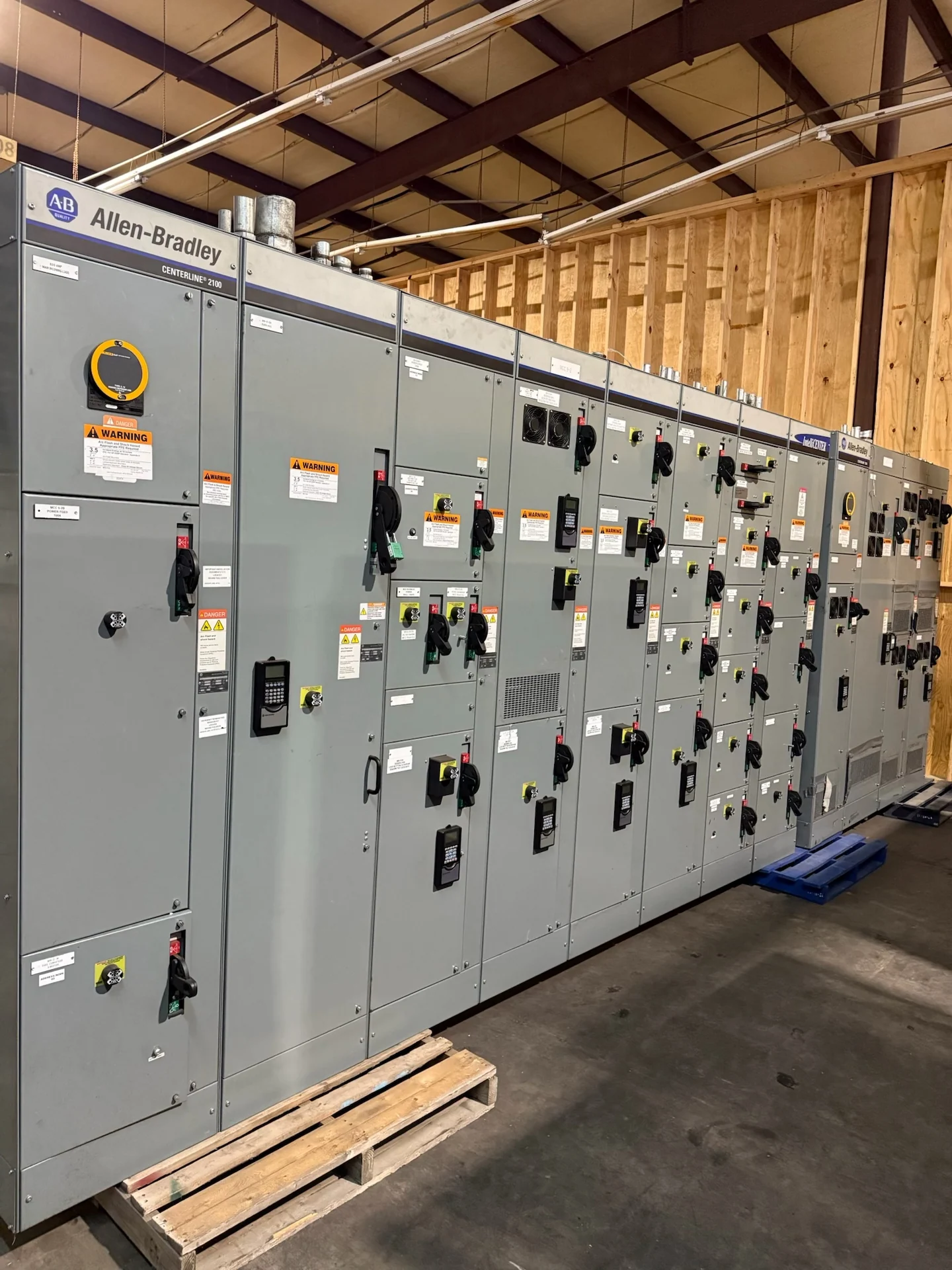
What Arc-Resistant Low-Voltage Switchgear Is Intended to Address
Arc-resistant low-voltage switchgear is designed around a defined internal-arc event and the way pressure, hot gases, and debris are controlled or directed. It is not simply a heavier enclosure or a substitute for an arc-flash study. Selection begins with the distribution arrangement, available fault current, equipment location, operating procedures, and the project’s required construction criteria. Switchgear Builders manufactures new electrical switchgear in the United States, custom to specification, using American components and supporting nationwide shipping. The applicable design and test evidence must be confirmed for each project rather than assumed from a product label.
Define the Electrical Duty Before Selecting Construction
An arc-resistant low-voltage switchgear selection should be based on the system one-line diagram and the engineering data behind it. Useful inputs include nominal voltage, phase and wire arrangement, grounding method, continuous current, available fault current, protective-device interrupting ratings, short-circuit withstand requirements, and the intended main-tie-main or feeder configuration. The engineer should also identify whether devices are fixed or drawout, what access zones are expected during operation, and which compartments require segregation. A custom manufacturer can use those inputs to develop an equipment arrangement, but the completed design remains subject to project engineering review and applicable requirements.
Plan the Enclosure, Compartments, and Access
Construction details affect both everyday serviceability and the response to an internal arc. Review compartment boundaries, doors, covers, bus supports, cable entrances, pressure-relief features, and the position of operating handles or mechanisms. The layout should distinguish normal operating access from maintenance access and account for working space, egress, lifting, and replacement of major devices. Indoor and outdoor installations may call for different enclosure and environmental decisions. Dimensions, heat dissipation, conduit direction, floor loading, and equipment-room access should be settled before fabrication so the proposed lineup fits the installation rather than forcing field modifications.
Treat Exhaust Paths as a Site Interface
An exhaust path is not an afterthought that can be improvised after delivery. If the project design directs pressure or gases through a plenum, duct, chimney, or other controlled route, the path, discharge location, clearances, supports, and installation orientation need to be coordinated with the room and building design. Keep personnel areas, combustible materials, doors, louvers, and other equipment in mind when reviewing the discharge concept. Confirm who supplies connected ductwork, transitions, barriers, and field seals, and require installation instructions that match the equipment arrangement. A manufacturer can build to the approved interface, while the site team must verify that the installed route remains unobstructed and appropriate.
Verify Test Evidence and Project Applicability
The phrase arc-resistant should be tied to specific construction, voltage class, compartment arrangement, fault duty, duration, access condition, and installation orientation—not treated as a universal performance promise. Request the technical basis for the proposed arrangement and compare it with the project specification. Where UL 891 may apply, confirm its applicability, the exact assembly scope, and any project-specific listing or test evidence before approval; UL 891 should not be presumed for every low-voltage switchgear configuration. Review drawings, device data, test reports or other documentation with the responsible engineer, and resolve differences before release to fabrication.
Build a Quote Package That Can Be Reviewed
A useful arc-resistant low-voltage switchgear quote request includes the one-line diagram, load schedule, fault-current study, protective coordination information, room drawings, cable-entry details, environmental conditions, control schematics, metering needs, and required project documents. State the desired lineup dimensions, shipping splits, lifting points, finish, access direction, and exhaust interfaces when known. Identify the reviewing authority, witness or inspection expectations, and the acceptance criteria without assuming a certification. Switchgear Builders can evaluate a new custom build from those defined inputs, clarify open design decisions, manufacture to the approved scope, and coordinate nationwide shipment terms for the stated destination.