Start with the Outdoor Site Conditions
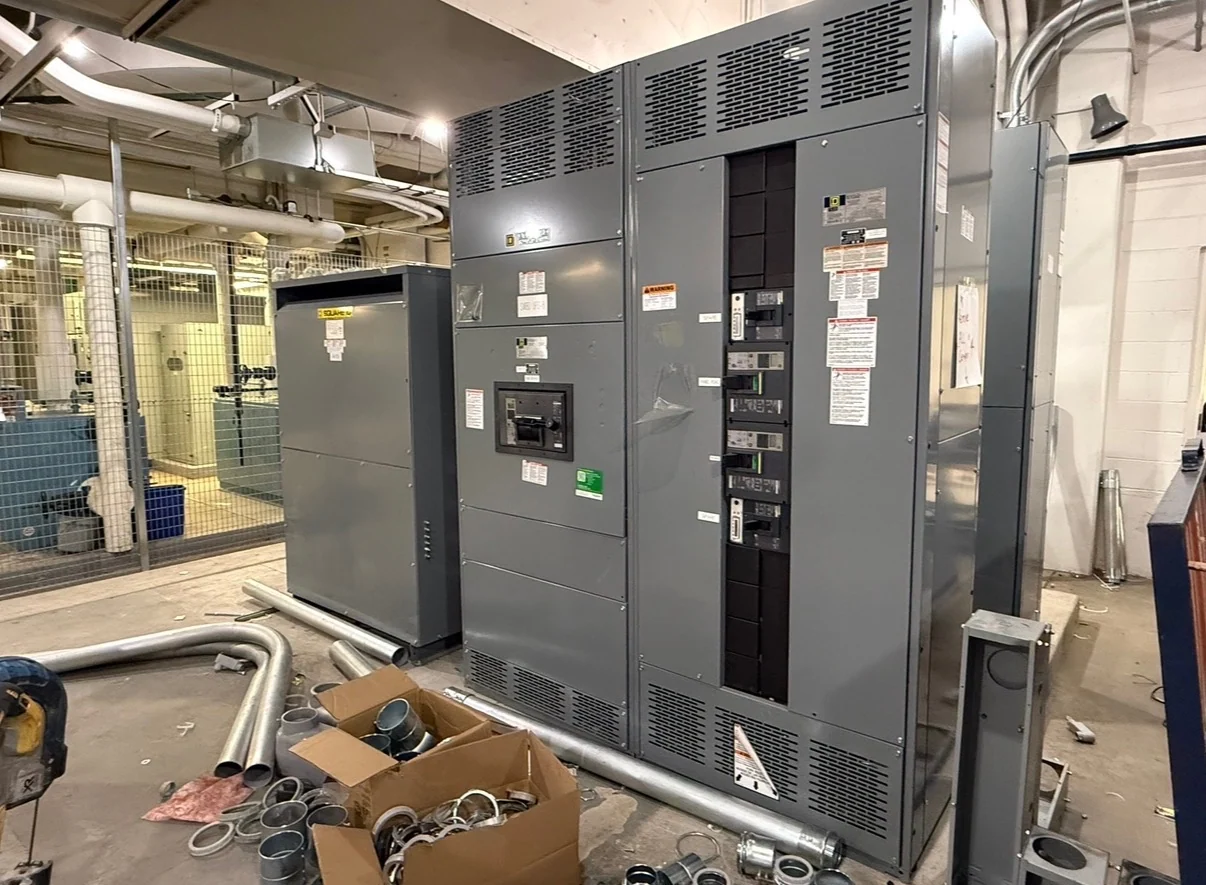
Outdoor low-voltage switchgear selection begins with the environment around the lineup, not simply the nominal voltage or ampere value. Describe whether the equipment will stand on a roof, concrete pad, service yard, process area, or another exposed location. Sun, rain, snow, wind-driven dust, salt, chemical vapors, standing water, temperature swings, and condensation can influence enclosure decisions, cable entry, drainage, access, and maintenance planning. A useful design review also records elevation, orientation, nearby heat sources, flood concerns, and the expected condition of the supporting surface. These details give a manufacturer a defensible basis for developing new electrical distribution equipment custom to the project rather than treating every outdoor installation as interchangeable.
Match the Enclosure to Exposure and Operation
An enclosure should be selected against the actual exposure and operating routine. Confirm the required environmental enclosure type with the engineer and governing project requirements, then examine how doors, seams, roof features, hinges, locks, cable compartments, and penetrations will behave in service. Outdoor low-voltage switchgear may need provisions that limit water entry, manage condensation, or support inspection without making routine access unnecessarily difficult. Material and finish choices should account for corrosion exposure and cleaning practices, while ventilation or heat-management provisions must be coordinated with the devices inside. These are project decisions; the appropriate enclosure is not established by the phrase outdoor switchgear alone.
Coordinate Electrical Ratings and Layout
Weather protection does not replace electrical engineering. The equipment package should identify system voltage, phase and frequency, grounding arrangement, continuous current, available fault current, protective-device interrupting duties, bus requirements, feeder count, metering, controls, and any source or tie sequence. The one-line diagram, load information, protective coordination study, and physical arrangement should agree before fabrication. Layout affects more than footprint: it determines conductor routing, bending space, device access, lifting points, working clearances, and the separation of power and control wiring. If UL 891 is relevant, its applicability and any project-specific listing or verification must be confirmed for the particular assembly rather than assumed from a product label.
Plan the Pad, Connections, and Access
Site preparation should be treated as part of the switchgear interface. Establish the pad dimensions, elevation, anchor pattern, conduit locations, cable approach, drainage, and tolerances before equipment is released for fabrication. Confirm whether conductors enter from below, above, or a side, and reserve room for pulling, termination, testing, and future service work. The delivery path matters as well: review gates, turns, overhead obstructions, unloading surfaces, and the route from the truck to the final position. A custom manufacturer can use these inputs to coordinate enclosure sections, removable panels, lifting provisions, and shipping splits without assuming that a standard lineup will fit the site.
Build a Clear Manufacturer Quote Package
For an outdoor low-voltage switchgear quote, send the latest single-line diagram, equipment schedule, site location, elevation and climate information, dimensions or space limits, incoming and outgoing conductor details, fault-current data, device preferences, control schematics, metering needs, and required drawings or test records. Identify who supplies foundations, conduits, terminations, field wiring, rigging, and installation so the scope remains clear. State whether the project requires American components and describe any owner, utility, engineer, or authority review. Switchgear Builders manufactures new custom equipment in the United States, uses American components, and supplies nationwide shipping; project-specific scope, documentation, shipping terms, and timing still need confirmation in the quotation.
Review Delivery and Commissioning Interfaces
Before shipment, align the approved drawings with the site team, electrical contractor, and qualified commissioning personnel. Receiving checks should compare sections, labels, accessories, shipping damage, and documentation with the shipping record, while installation planning should preserve enclosure integrity at every field connection. Confirm grounding and bonding, conductor torque and termination practices, control-power sources, interlocks, protection settings, and field-test responsibilities through the project plan. For nationwide shipping, agree on the destination, packaging, access, freight terms, availability, and transit estimates for the specific new equipment order.