Start with the Generator Feeder Duty
Medium-voltage switchgear for generator feeders should be specified from the generator terminals through the distribution connection, rather than selected from voltage alone. A useful design review identifies generator rated voltage, frequency, phase arrangement, continuous current, fault contribution, grounding method, and the intended connection to the bus or transformer. The owner, electrical engineer, and equipment manufacturer should also define whether the feeder serves a dedicated load, a common distribution bus, or an interconnection scheme. Those inputs establish the electrical distribution equipment scope and provide the basis for selecting switching devices, bus construction, cable terminations, and protective functions.
Choose Switching and Protection Together
A generator feeder lineup must coordinate its switching device with the generator, downstream feeders, and any upstream source equipment. The specification should identify the required voltage class, continuous-current rating, interrupting or withstand duty as applicable, and the operating sequence for opening, closing, isolation, and emergency conditions. Protective relaying may include functions for phase and ground faults, overcurrent, undervoltage, overvoltage, frequency, or other project-defined conditions. The exact functions and settings belong in an engineering study; a manufacturer can build the new lineup to the approved one-line diagram, relay schedule, and control narrative.
Define Grounding and Fault-Current Inputs
Generator feeder grounding affects relay sensitivity, equipment construction, cable interfaces, and the sequence used to clear faults. Before requesting a quote, provide the system grounding arrangement, generator neutral connection, grounding equipment if applicable, transformer information, calculated available fault current, and the required ground grid or bonding interfaces. These details should be reconciled with the short-circuit and coordination studies instead of inferred from a nominal voltage. The final assembly should include clearly documented grounding provisions and termination points that match the installation design and the responsibilities assigned to the electrical contractor.
Plan Synchronization and Source Control
Where a generator operates in parallel with another source or generator, synchronization is a control-system requirement as well as a switchgear requirement. The project team should document whether paralleling is permitted, which device supervises synchronism, how closing permission is issued, what happens after loss of source, and how manual operation is controlled. A custom switchgear package may need defined control power, breaker status contacts, interlocks, metering, communications, and trip circuits. Those provisions must follow the approved sequence of operation and relay logic; they should not be assumed from the phrase generator feeder alone.
Coordinate Layout with Installation
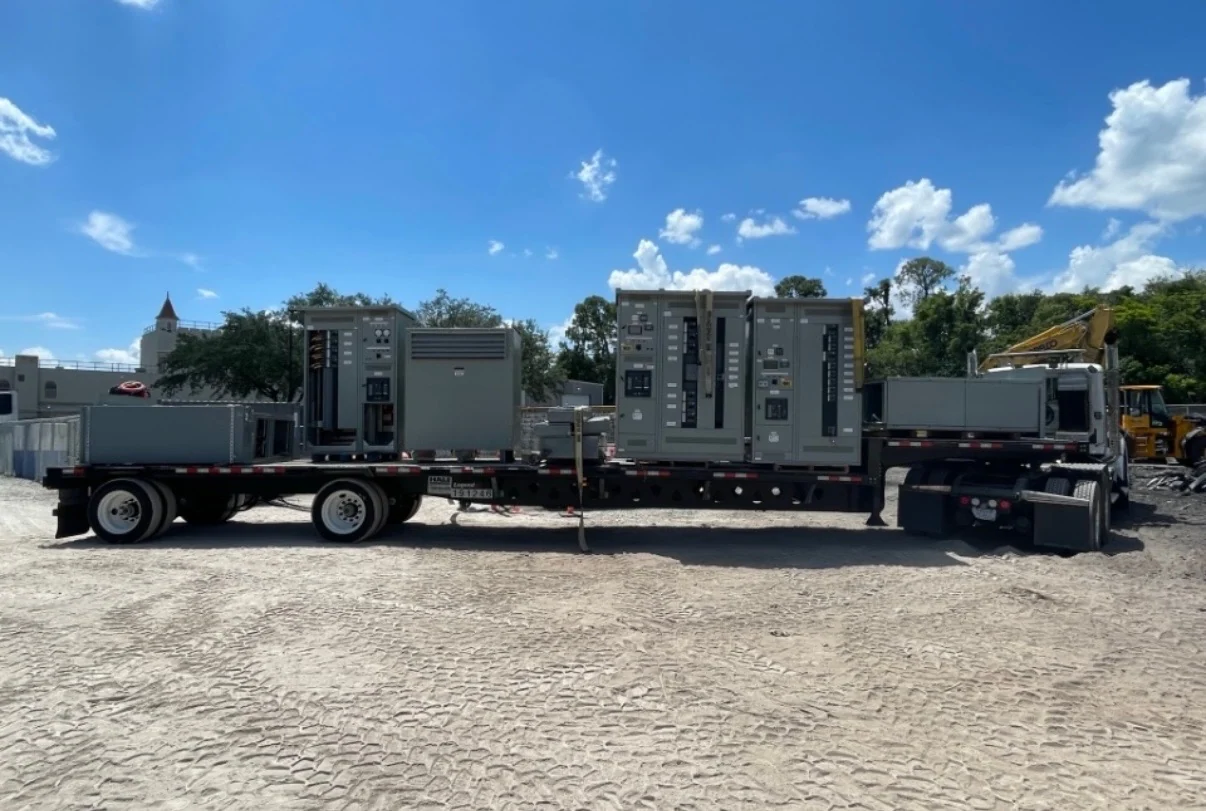
Physical planning is especially important for medium-voltage generator feeders because cable bending space, termination access, lifting, and maintenance clearances can govern the enclosure arrangement. Supply the equipment room dimensions, entry direction, cable sizes and routes, bus connection points, environmental conditions, elevation where relevant, and movement path from receiving to the final location. Review doors, removable sections, control compartments, grounding points, and device access with the installing contractor. Switchgear Builders manufactures new custom switchgear in the United States, using American components and nationwide shipping, with the final configuration established from project documents and approved interfaces.
Build a Complete Quote Package
For a meaningful medium-voltage switchgear for generator feeders selection, send the one-line diagram, equipment schedule, generator data, transformer data, fault-current study, protection and coordination requirements, control schematic or sequence, cable information, enclosure conditions, and requested documentation. Identify the number of feeders, lineup arrangement, metering, communications, interlocks, spare provisions, and any witness or inspection requirements. A quote should distinguish equipment scope from field installation, programming, studies, commissioning, and utility review. Confirm project-specific availability, shipping destination, packaging, freight responsibilities, and any required schedule directly with the manufacturer rather than treating a catalog description as a commitment.
Confirm Applicable Standards and Records
Standards and documentation should be confirmed for the particular generator project, voltage class, jurisdiction, and equipment arrangement. The engineer should identify applicable construction, testing, protection, grounding, and installation requirements, while the manufacturer reviews which can be addressed in the proposed assembly. UL 891 may be relevant to some switchboard applications, but its applicability and any project-specific listing or capability must be confirmed for the exact equipment; it should never be assumed for every medium-voltage switchgear lineup. Request drawings, wiring diagrams, device data, settings documentation, and agreed test records as part of the submittal review.