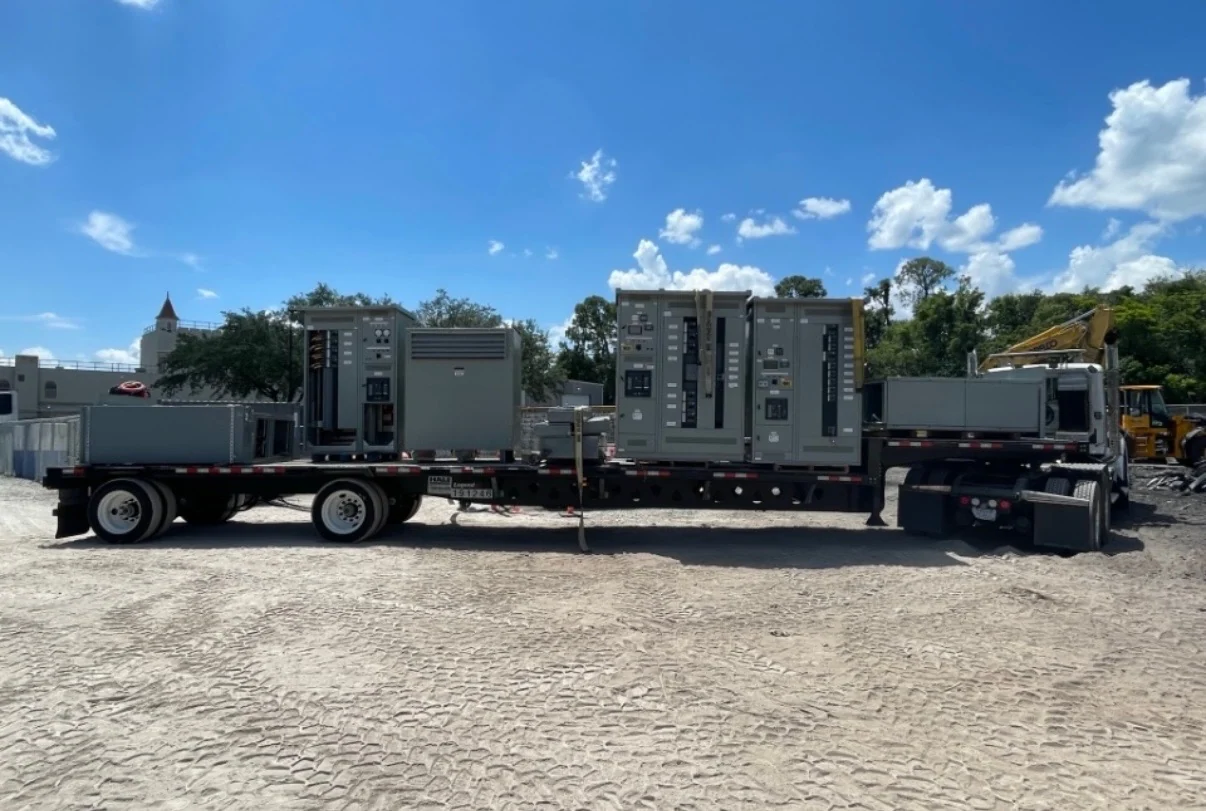
Start with the Outdoor Site Conditions
Outdoor medium-voltage switchgear selection begins with the environment around the equipment, not only the nominal voltage. Define whether the lineup will sit in open air, beneath a canopy, near process equipment, or in a coastal, dusty, wet, or corrosive setting. The specification should address rain exposure, temperature range, sunlight, condensation, snow or ice where applicable, elevation, drainage, and nearby sources of contamination. These inputs influence enclosure construction, entry details, access planning, and maintenance assumptions. Switchgear Builders manufactures new electrical switchgear in the United States, builds custom equipment to project requirements, uses American components, and can coordinate nationwide shipping; the final outdoor design remains subject to project engineering and site review.
Match the Electrical Design to the Distribution System
An outdoor medium-voltage lineup must align with the system one-line diagram, grounding method, available fault current, continuous load, feeder arrangement, switching sequence, and protective coordination study. Confirm the nominal system voltage and equipment voltage class separately, then identify incoming and outgoing cable quantities, phase arrangement, termination approach, instrument transformers, relaying, metering, and control-power needs. A useful outdoor medium-voltage switchgear selection also records frequency, insulation requirements, operating mechanism preferences, and any source or tie interlocks. These details prevent a visually suitable enclosure from being paired with an unsuitable electrical configuration, and they give a manufacturer the information needed to prepare a defensible custom quote.
Coordinate Cable Routing and Terminations
Cable routing deserves early attention because trench direction, bend radius, termination height, phase spacing, and pulling access can determine the enclosure layout. Provide a plan view showing the equipment footprint, duct banks, conduits, cable pits, separation between circuits, and the path used by installers to bring conductors into each compartment. Review whether cables enter from below, the side, or another project-defined direction, and reserve room for stress-control components, grounding conductors, shields, and future work where the design calls for it. A manufacturer can then coordinate gland plates, removable covers, barriers, and compartment access with the electrical contractor instead of leaving field modifications to resolve conflicts.
Prepare the Foundation and Working Area
The foundation interface should be developed alongside the switchgear drawings. Confirm the pad or steel support dimensions, anchor locations, level tolerances, cable-entry openings, housekeeping provisions, drainage strategy, and the route from the delivery point to the final setting location. Working clearances, door swing, equipment removal space, and safe access for inspection must be checked against the governing project requirements and local authority expectations. Consider the weight and shipping splits of the new assembly, lifting points, temporary staging, and the capabilities of qualified rigging personnel. These practical details affect whether the equipment can be installed as designed, even when the electrical ratings are correct.
Select Enclosure and Operating Features Carefully
Outdoor enclosure choices should reflect actual exposure and the maintenance method, rather than relying on a generic label. Discuss doors, locks, viewing provisions, ventilation, heaters or anti-condensation measures if the project requires them, internal separation, padlocking, signage, cable-compartment access, and resistance to the surrounding atmosphere. Specify whether operators need local indication, mechanical interlocks, remote controls, communications, or clearly defined switching positions. Each feature adds interfaces that need review across drawings, wiring diagrams, controls, and commissioning procedures. Ask for the applicable enclosure requirements and project documentation before fabrication; do not assume a particular environmental rating, control package, or certification applies without written confirmation.
Build a Reviewable Equipment Package
A complete inquiry should include the one-line diagram, load and fault information, site conditions, plot plan, foundation drawings, cable schedule, control narrative, utility or owner requirements, and the desired document list. The manufacturer can use those inputs to develop a new custom outdoor medium-voltage switchgear package and identify open decisions before production. If the project references UL 891, confirm with the responsible engineer whether that standard applies to the particular assembly and what project-specific listing or verification is required; applicability should never be assumed. After approval, coordinate shipping sections, packaging, receiving inspection, storage protection, and installation responsibilities so nationwide delivery remains tied to a prepared site rather than an isolated freight event.