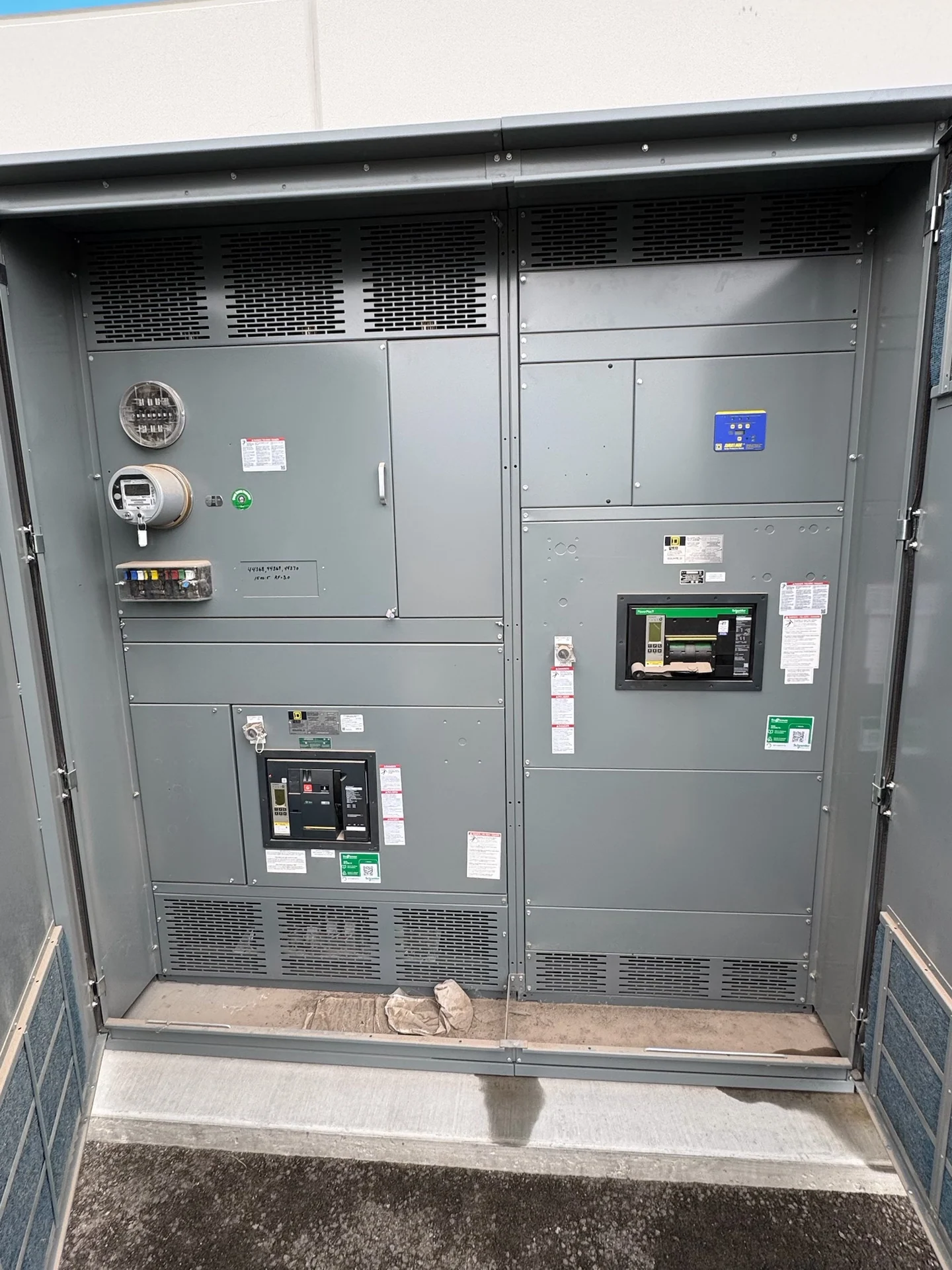
What an Electrical Panelboard Does
Electrical panelboards divide an incoming feeder or service into protected branch circuits and smaller feeders. A practical design begins by identifying what the panelboard must serve, where it will be installed, and how conductors will enter and leave the enclosure. Panelboards are one category of electrical distribution equipment; they should not be treated as interchangeable with every switchgear or switchboard arrangement. A manufacturer-built assembly can be configured around the project drawings, specified devices, available space, and installation interfaces, with the final selection subject to qualified engineering review. That distinction matters during budgeting because a familiar panel schedule may conceal unusual feeder, metering, or coordination requirements.
Current and Circuit Capacity
Current capacity is more than a single amperage number on a schedule. The design team should review calculated continuous and noncontinuous loads, feeder conductors, main-device rating, branch-device quantity, spare positions, and anticipated load growth. Thermal conditions, conductor termination requirements, and the relationship between the panelboard bus and protective devices also matter. When requesting a new panelboard, provide the load schedule and one-line diagram so the manufacturer can evaluate the proposed arrangement rather than guessing from a nominal size.
Voltage, Phase, and System Arrangement
Voltage selection must match the actual source and the loads connected downstream. Specify nominal voltage, phase, wire configuration, frequency, grounding method, and whether the equipment is associated with a service, feeder, or branch-circuit application. A panelboard serving line-to-neutral loads may require a different circuit arrangement from one serving only line-to-line loads. Transformer relationships, neutral treatment, and upstream protection should be documented before fabrication. These inputs help a U.S. manufacturer build new equipment to the intended electrical interface without assuming a standard configuration.
Enclosure and Installation Conditions
The enclosure must suit the installation environment and the way installers will access, terminate, and maintain the equipment. Identify indoor or outdoor placement, exposure to moisture or corrosive conditions, mounting orientation, available wall space, cable entry direction, working clearances, and the path for bringing the assembly to its final location. Door swing, trim, lugs, gutters, labeling, and access to circuit devices can affect the usable footprint. The project specification should define the required enclosure construction and environmental rating; do not infer those requirements from location alone.
Available Fault Current and Protection
Available fault current is a central input when selecting panelboards and their protective devices. The electrical engineer should provide the calculated value at the equipment location, identify the source and transformer information used, and coordinate upstream and downstream protection. Main breakers, feeder breakers, fuses where applicable, and branch devices must be evaluated for interrupting capability and system coordination. A quote request should state required short-circuit or fault-duty criteria and any study assumptions. Applicability of UL 891 or another project standard must be confirmed for the specific equipment and configuration.
Preparing a New Panelboard Quote
For a useful custom switchgear or panelboard inquiry, send the one-line diagram, panel schedules, load calculations, device preferences, voltage and system information, enclosure requirements, dimensions, mounting details, cable-entry needs, labeling conventions, and documentation expectations. Include the job destination because shipping and receiving arrangements affect packaging and handling coordination. Switchgear Builders manufactures new electrical distribution equipment in the United States, uses American components, and ships nationwide. Final scope, components, drawings, testing, standards, and commercial terms should be reviewed and agreed for the individual project. Ask the manufacturer to identify assumptions, exclusions, required approvals, and open technical questions in the quotation so the purchasing team, engineer, and installer are comparing the same scope.