Start With the Distribution Function
Power distribution equipment is not one interchangeable product category. Switchgear, switchboards, panelboards, busway, and transfer switches each perform a different job between a source and connected loads. A useful selection begins with the one-line diagram: identify incoming sources, bus sections, feeder destinations, voltage and phase, calculated load, available fault current, grounding method, and the operating sequence the facility requires. From there, the equipment can be divided into lineups and interfaces that fit the electrical system rather than chosen by product name alone.
How the Main Equipment Types Differ
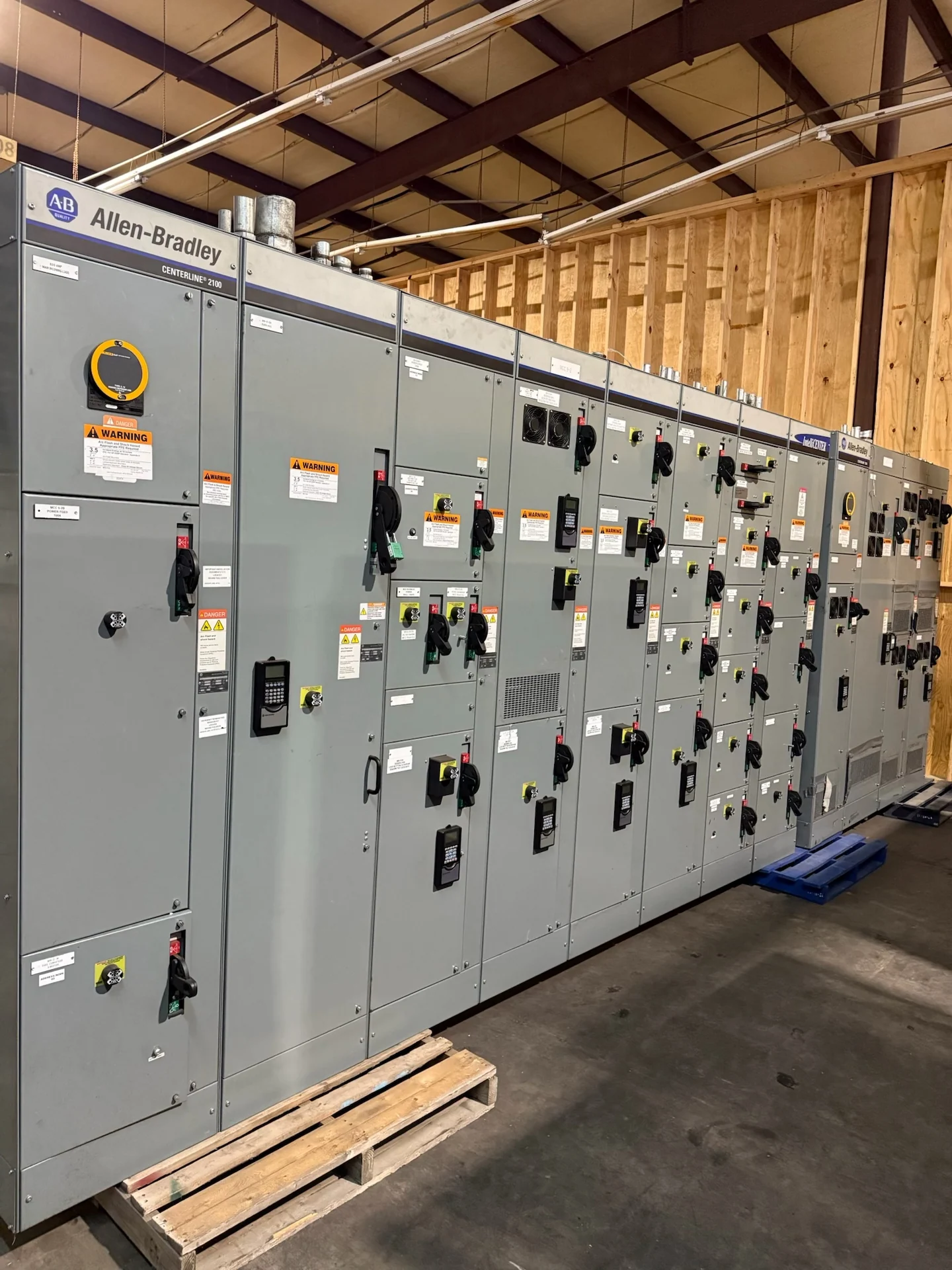
Switchgear is generally considered when a project needs a coordinated assembly for switching, circuit protection, isolation, metering, or control at a significant distribution point, with construction and ratings established for the application. Switchboards can serve service or feeder distribution in commercial and industrial systems, while panelboards commonly organize branch circuits and smaller feeders closer to loads. Busway provides a routed distribution path with connection points, and a transfer switch manages source selection for defined loads. These categories can interact in one system, but they should not be treated as synonyms.
The practical trade-off is between electrical function, physical arrangement, service access, and future change. A panelboard may suit a compact branch-circuit location, whereas a switchboard or switchgear lineup may better organize larger mains, feeders, protective devices, and metering. Busway can simplify a planned route and load connection strategy, but routing, joint locations, supports, and tap-off protection require coordination. A transfer switch addresses source transfer, not general feeder distribution. Comparing equipment by these responsibilities helps prevent a specification that solves one function while leaving another undefined.
Ratings and Interfaces That Drive Selection
The equipment schedule should state nominal system voltage, frequency, phase and wire arrangement, continuous current requirements, short-circuit or fault-duty information, protective-device interrupting needs, enclosure environment, and grounding details. It should also identify whether the equipment is indoors or outdoors, how cables or busway will enter, the available working space, access for maintenance, and the dimensions or weight limits imposed by the electrical room. These inputs let a manufacturer evaluate a new custom assembly without guessing at the system interface.
Physical and control details matter as much as nameplate values. Record the number and location of mains and feeders, spare provisions, metering points, control power, remote contacts, interlocks, communications, door swing, cable bending space, and lifting or shipping splits. If a replacement or expansion must connect to existing gear, provide verified drawings, field dimensions, termination details, and photographs as appropriate. The engineer of record and qualified installation team should confirm the design, clearances, protection settings, and site requirements before fabrication.
Coordinate Protection and Operating Sequence
A distribution lineup is part of a system-wide protection plan. Review available fault current, device interrupting capability, bus withstand requirements where applicable, selective coordination objectives, arc-flash study inputs, and the relationship between upstream and downstream devices. Main-tie-main arrangements, generator sources, and transfer equipment add operating states that should be documented in plain language. The manufacturer can build to an approved design, but protection studies, settings, utility criteria, and field commissioning responsibilities must be assigned to the appropriate project professionals.
Build a Comparable Manufacturer Quote
To request pricing for new electrical distribution equipment, send the manufacturer the one-line diagram, equipment schedule, specifications, floor or elevation drawings, required equipment type, ratings, device list, controls narrative, metering requirements, documentation expectations, destination, and requested commercial terms. State which items are included by others, such as feeders, field wiring, installation, testing, rigging, or utility coordination. A consistent information package makes quotes easier to compare because differences in scope, assumptions, and exclusions are visible rather than hidden in a product label.
Custom Manufacturing and Delivery Planning
Switchgear Builders manufactures new electrical switchgear in the United States, builds custom equipment to project specifications, uses American components, and supports nationwide shipping. For a practical inquiry, identify the destination, receiving constraints, unloading method, access route, shipping sections, and desired documentation along with the electrical scope. Any applicable standard, including UL 891 when relevant, should be treated as a project-specific requirement whose applicability, construction details, and any listing or capability must be confirmed for that project before the design is finalized.