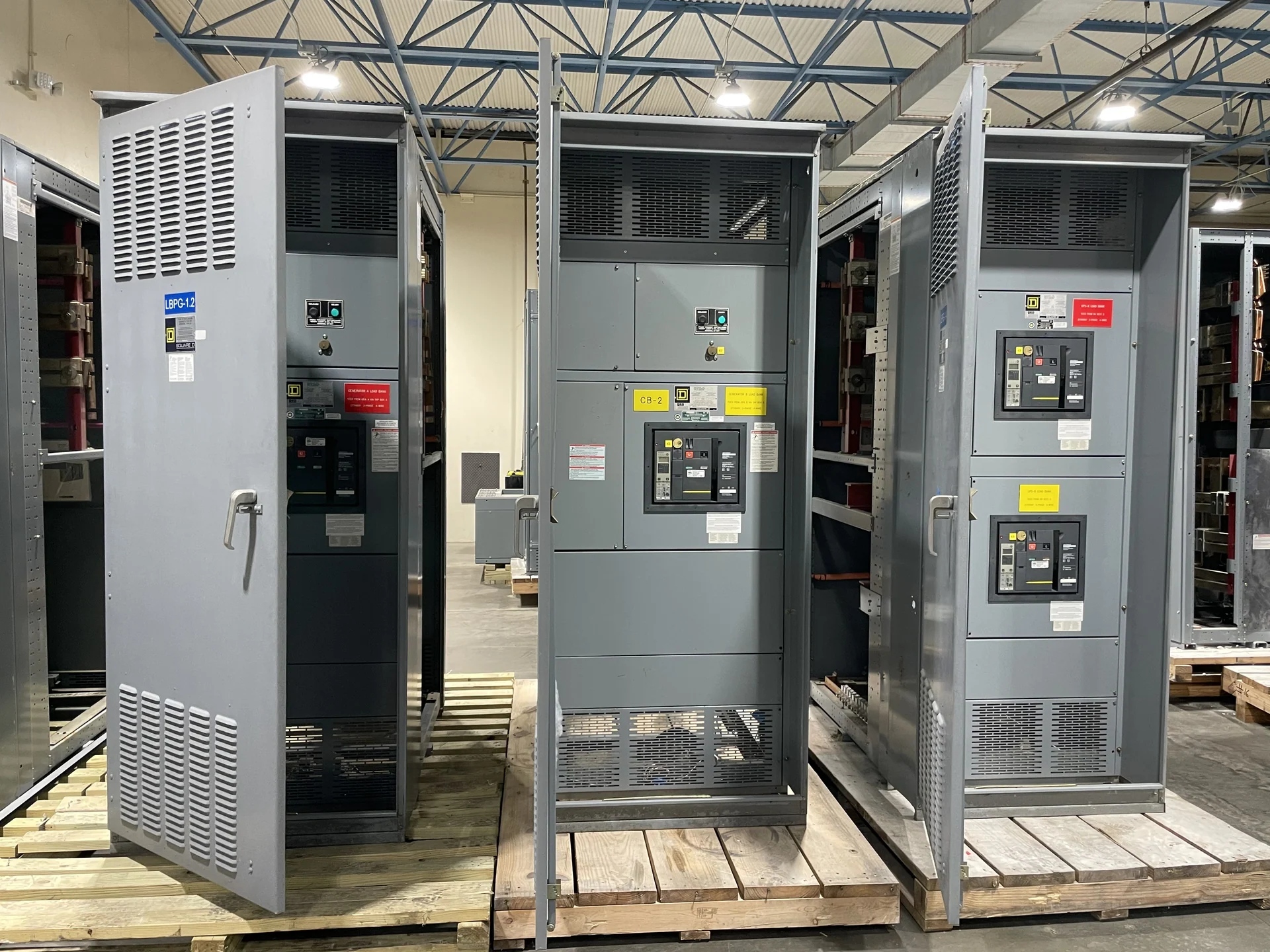
What a Vacuum Interrupter Does
A vacuum interrupter separates contacts inside a sealed vacuum bottle to interrupt current when a medium-voltage circuit breaker opens. With no air or insulating gas in the interruption space, the arc is controlled by the contact design and the circuit's recovery-voltage conditions. That concept can support compact switching equipment, but it does not by itself define a complete lineup. The switchgear still needs an enclosure, bus, cable terminations, grounding provisions, operating mechanism, controls, and protective functions selected for the actual distribution system. A useful specification identifies whether the device will interrupt normal load current, fault current, transformer inrush, motor-related duty, or another defined application, then matches those duties to the manufacturer's proposed equipment design.
Start With the Electrical Duty
Vacuum-interrupter medium-voltage switchgear selection should begin with system information rather than a preferred component name. Provide nominal and maximum system voltage, frequency, phase arrangement, grounding method, continuous current, available fault current, short-circuit duration, and the required interrupting or withstand duties. Transformer, motor, capacitor, generator, and feeder applications can impose different switching stresses and transient conditions. Engineers should also identify normal and emergency sources, bus sections, tie operation, relay functions, and the intended operating sequence. These inputs allow a manufacturer to evaluate the complete assembly, including breaker duty, bus bracing, insulation coordination, and protective-device settings, instead of treating the vacuum bottle as an isolated rating.
Coordinate Protection and Control
A medium-voltage breaker is effective only when its control and protection scheme matches the distribution design. The project team should define trip and close circuits, local or remote operation, interlocks, undervoltage or shunt functions where applicable, indication, metering, communications, and relay inputs. Time-current coordination requires the available fault study, transformer data, feeder characteristics, and upstream and downstream device information. Arc-flash evaluation may influence settings and operating procedures, while grounding design affects sensing and fault response. A custom manufacturer can build the new lineup around approved drawings and control logic, but the engineer of record must establish the system requirements and review the final settings, interfaces, and sequence.
Review Construction and Installation Interfaces
Physical planning matters as much as the interruption technology. Confirm whether the equipment is intended for indoor or outdoor installation, the environmental exposure, enclosure requirements, cable entry direction, phase spacing, access clearances, lifting path, anchorage, and the location of control power. The lineup dimensions must work with room doors, trenches, concrete pads, adjacent equipment, and maintenance access. Cable terminations and grounding conductors need coordinated connection points, while removable or fixed switching arrangements affect handling and service planning. Drawings should show the lineup split, bus joints, shipping sections, equipment weight information, and field connections before fabrication. These details reduce conflicts between the new switchgear, building work, and installation crew.
Define Testing and Project Documentation
Before ordering, agree on the documents and checks that will demonstrate the equipment matches the approved design. A package may include a one-line diagram, elementary diagrams, wiring diagrams, enclosure layouts, device data, nameplate information, terminal schedules, and recommended maintenance information. The project test plan can identify visual and dimensional inspections, wiring and continuity checks, insulation-related checks, breaker operation, interlock behavior, relay inputs, and recorded results. If the specification references UL 891, first confirm whether that standard applies to the proposed medium-voltage equipment and what project-specific listing or verification is required; applicability must be evaluated for the specific assembly rather than assumed from the product label.
Buying Custom Vacuum-Interrupter Switchgear
When requesting a quote, send the single-line diagram, equipment schedule, site conditions, fault study inputs, dimensions, cable details, control-voltage information, protection requirements, and documentation expectations. State whether the project calls for a particular voltage class, current rating, breaker arrangement, metering package, communications interface, or source-transfer sequence, and identify which items remain subject to engineering review. Switchgear Builders manufactures new electrical switchgear in the United States, builds to project specifications, uses American components, and supplies equipment with nationwide shipping coordination. A quote should clearly separate equipment scope, drawings, testing, field responsibilities, shipping information, and assumptions so the customer can compare technically equivalent proposals and resolve open questions before release.