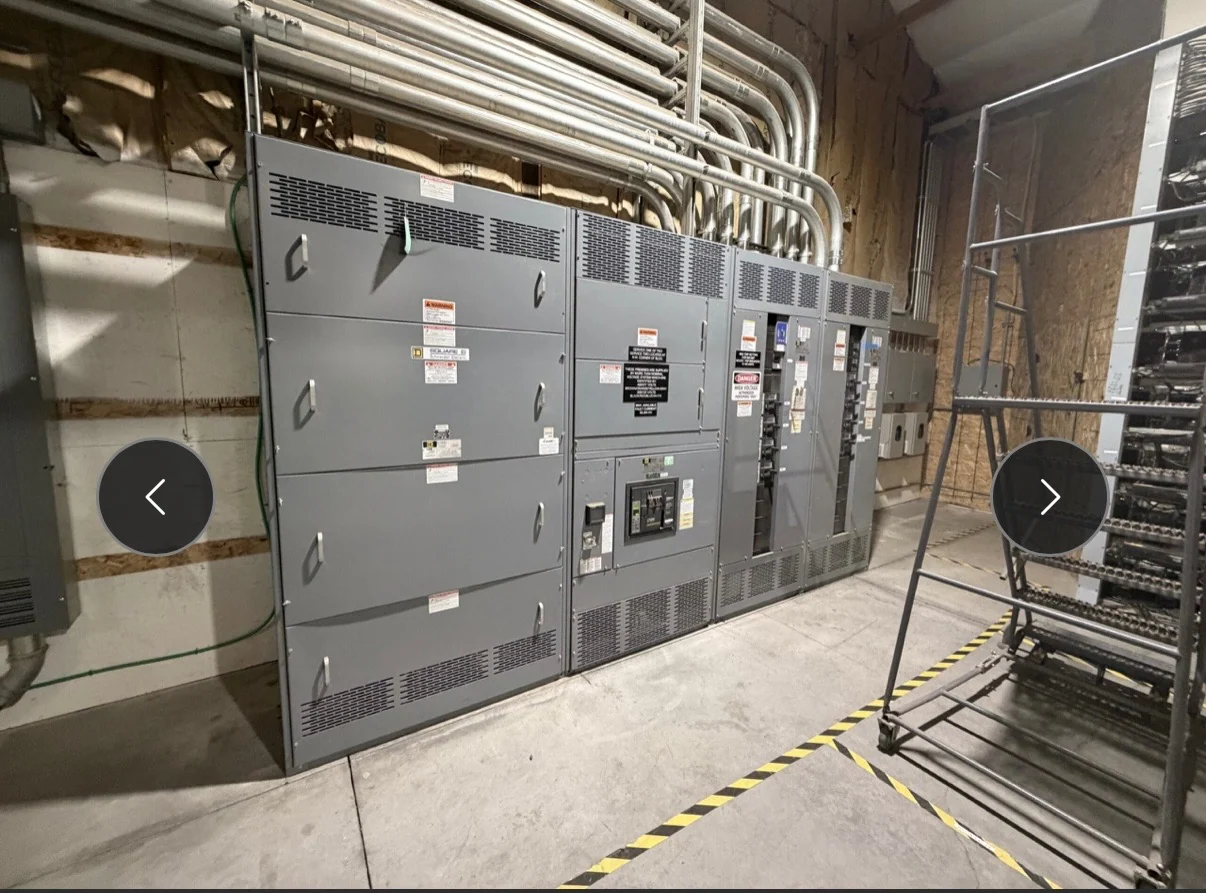
Outdoor Installation Starts With the Equipment Specification
Yes, switchgear can be installed outdoors when the assembly is designed and specified for the actual location. Outdoor placement is not simply an indoor lineup moved beneath a roof; the enclosure, doors, seals, ventilation, drainage, access, and internal arrangement must address the site's exposure and operating conditions. Switchgear Builders manufactures new electrical switchgear in the United States, custom to project requirements, using American components and offering nationwide shipping. The design review should identify whether the equipment is exposed to rain, snow, sunlight, dust, salt, chemicals, flooding, wildlife, or temperature extremes before fabrication begins. It should also establish who is responsible for the foundation, field terminations, grounding connections, weather sealing, and final site inspection, because those interfaces can affect the equipment design.
Choose an Enclosure for the Site Environment
An outdoor enclosure should be selected around the hazards it must resist, not merely labeled outdoor. Review the installation area for direct precipitation, wind-driven moisture, condensation, standing water, airborne contaminants, corrosive atmospheres, and the possibility of ice or snow accumulating on doors and roof surfaces. The project specification should identify the required enclosure construction, finish, entry points, cable routing, and environmental rating. Where cooling or heaters are considered, engineers should evaluate how those features affect condensation control, maintenance, and the equipment's electrical design rather than treating them as automatic requirements. Document the exposure by noting prevailing wind direction, drainage paths, seasonal sunlight, and nearby sources of dust or spray. If the pad is elevated, show how stairs, platforms, or barriers affect operating access and door swing. Cable entries deserve a field check: conduit seals, bottom plates, and bend space must suit the selected conductors without creating a path for water. A commissioning plan should include inspection of seals, drains, heaters or ventilation equipment when specified, and evidence that shipping protection was removed before energization. These details turn a broad outdoor designation into installation instructions that contractors can coordinate with the civil drawings.
Plan Foundation, Clearances, and Cable Interfaces
Outdoor switchgear depends on a suitable site interface. The civil and electrical teams should coordinate the pad or support structure, anchor locations, elevations, drainage, conduit entrances, cable-bending space, working clearances, and the route for bringing each shipping section into position. A layout that fits on paper may still be impractical if doors cannot open fully, removable components lack service space, or a crane and rigging path cannot reach the foundation. Include the equipment footprint, section weights, lifting points, and field connection responsibilities in the project documents before ordering.
Account for Ratings and Operating Conditions
Outdoor placement does not determine the electrical ratings by itself. The design still needs confirmed nominal voltage, frequency, phase arrangement, continuous current, available fault current, protective-device duties, grounding method, short-circuit withstand requirements where applicable, and the expected load profile. Temperature and altitude can affect equipment evaluation, while long cable runs may influence conductor sizing and coordination. A qualified engineer should reconcile the one-line diagram, utility or service requirements, protection study inputs, and site conditions so the manufacturer can build a lineup that matches the defined project scope.
Make Maintenance and Safe Access Part of the Layout
Outdoor switchgear should be arranged for inspection, operation, testing, and future maintenance under the conditions personnel will actually encounter. Consider door swing, lighting, weather exposure during service, pad height, access roads, barriers, signage, lockout provisions, and separation from vehicle traffic or other site activities. The equipment package should identify interfaces for grounding and bonding, control power, communications, metering, and remote signals when those functions are part of the design. Installation and energization remain coordinated activities for qualified professionals following the project documents and governing requirements.
Coordinate Manufacturing, Documentation, and Delivery
A useful quote for outdoor switchgear should include the site address and access constraints, environmental conditions, preliminary layout, one-line diagram, ratings, enclosure expectations, cable-entry direction, control requirements, shipping splits, and requested drawings or test records. Switchgear Builders can review those inputs for a new custom build and coordinate nationwide shipping around the defined destination, packaging, receiving access, and responsibilities. Any project-specific standard, listing requirement, or approval should be identified early and confirmed for that assembly; no general assumption should replace the engineer's and authority's review.