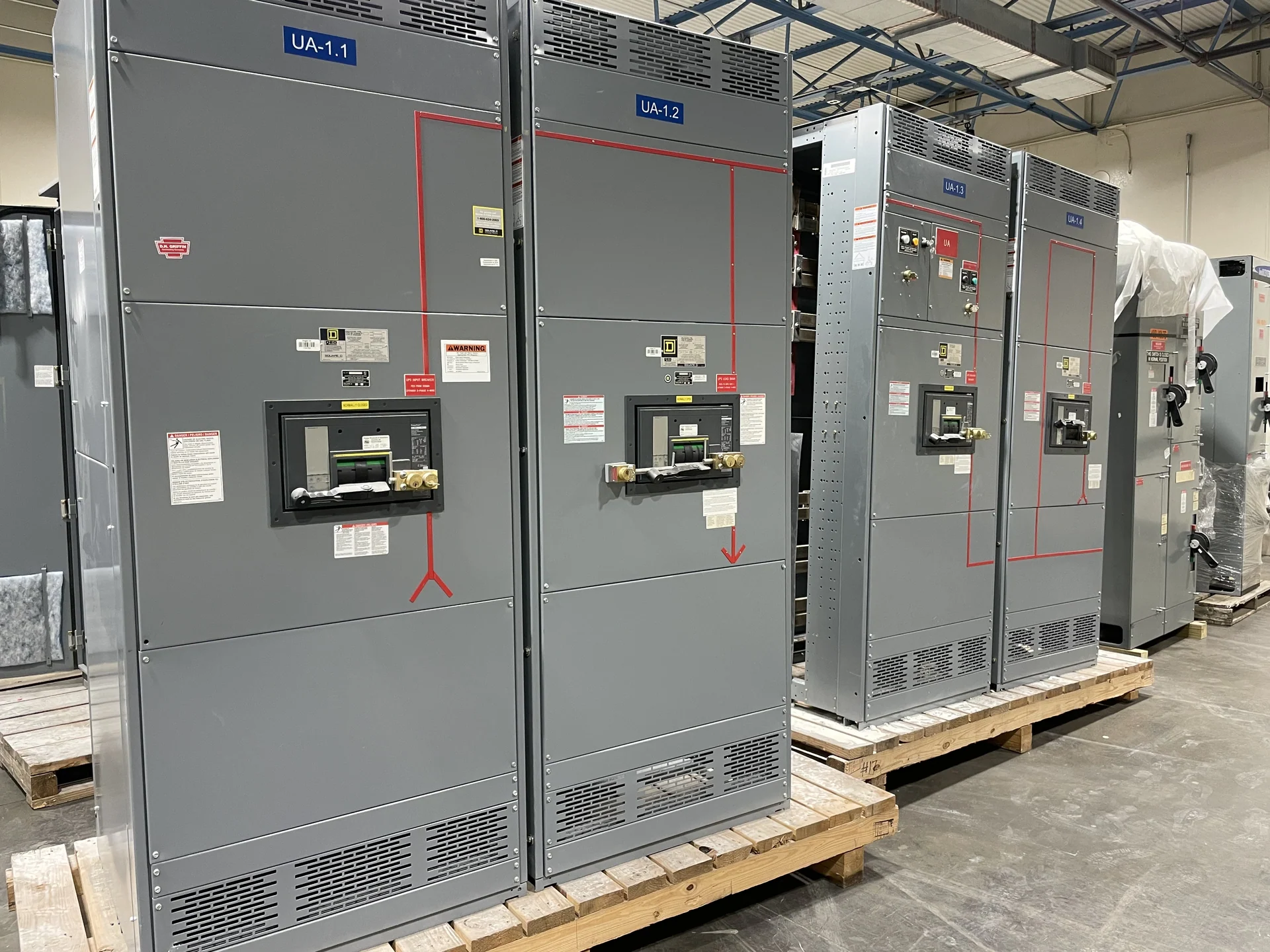
Start with the installation environment
The indoor vs. outdoor switchgear decision begins with where the assembly will operate, not simply with a preferred enclosure style. Indoor equipment may be located in an electrical room, dedicated service space, or process area with controlled exposure. Outdoor equipment must be planned around rain, sunlight, wind, dust, temperature variation, wildlife, and potential water accumulation. The design team should document the actual site conditions, elevation, corrosive agents, access restrictions, and whether the equipment will be exposed during construction. Those inputs help a manufacturer develop new switchgear that fits the project rather than treating an outdoor enclosure as an indoor lineup with a cover added.
Compare enclosure and environmental protection
Enclosure selection affects doors, seams, gaskets, ventilation, drainage, finishes, cable entries, and maintenance access. An indoor lineup can often rely on the building envelope while still requiring protection from dust, condensation, accidental contact, and room-specific hazards. Outdoor switchgear requires a deliberate approach to precipitation, solar heating, condensation, corrosion, and insects, with the applicable enclosure type confirmed for the installation. Designers should also consider whether heaters, ventilation, shade, or other environmental provisions are required by the project specification. These choices influence dimensions, wiring routes, component clearances, and the information needed for a custom switchgear quotation.
Plan working space and maintenance access
Indoor and outdoor layouts create different movement and service challenges. An indoor installation must reserve working clearances, door swing space, aisle width, removal paths, and a route through the building for each shipping section. Outdoor equipment needs a stable approach for operators and technicians, adequate clearance from fences or walls, safe door operation in weather, and room for lifting or replacement activities. The project team should identify how sections will be unloaded, positioned, joined, and connected, then reconcile those steps with the site plan. A compact footprint is not useful if it prevents safe access to terminals, breakers, controls, or cable compartments.
Coordinate electrical and physical interfaces
The same electrical requirements must be coordinated with different physical interfaces in indoor and outdoor applications. Confirm system voltage, phase, frequency, grounding method, continuous current, available fault current, feeder quantities, cable sizes, control power, metering, and the intended operating sequence. Then define bottom, top, or side cable entry; conduit locations; transformer or generator connections; ground provisions; and any bus or tie connections. For outdoor installations, foundations, housekeeping pads, embedded conduits, drainage, and weather transitions deserve early review. For indoor installations, room dimensions, wall penetrations, ventilation, and adjacent equipment can govern the lineup arrangement.
Evaluate trade-offs before choosing a configuration
Indoor switchgear can simplify exposure control and may make room-based maintenance planning straightforward, but it depends on a suitable building space and a clear delivery route. Outdoor switchgear can place distribution closer to a yard, transformer, or remote load, yet it introduces site preparation, environmental exposure, security, and weather-related coordination questions. Neither choice is automatically better. A qualified electrical designer should compare total installation constraints, operating access, future expansion, cable routing, outage planning, and local requirements. A practical comparison should also distinguish switchgear from switchboards and confirm that the selected assembly matches the system duty and project documents.
Prepare a manufacturer-ready project package
When requesting new switchgear from an American manufacturer, provide the single-line diagram, equipment schedule, electrical ratings, site location, indoor or outdoor designation, environmental description, dimensions, cable-entry requirements, control schematics, metering needs, and preferred shipping sections. Include photographs or measured drawings when the equipment must fit an existing interface, while having a qualified professional confirm field dimensions and safety requirements. Switchgear Builders manufactures custom new electrical switchgear with American components and supplies projects nationwide. The final design, applicable standards, any UL 891 consideration, documentation, shipping plan, and project-specific availability should be reviewed and confirmed before an order is released.