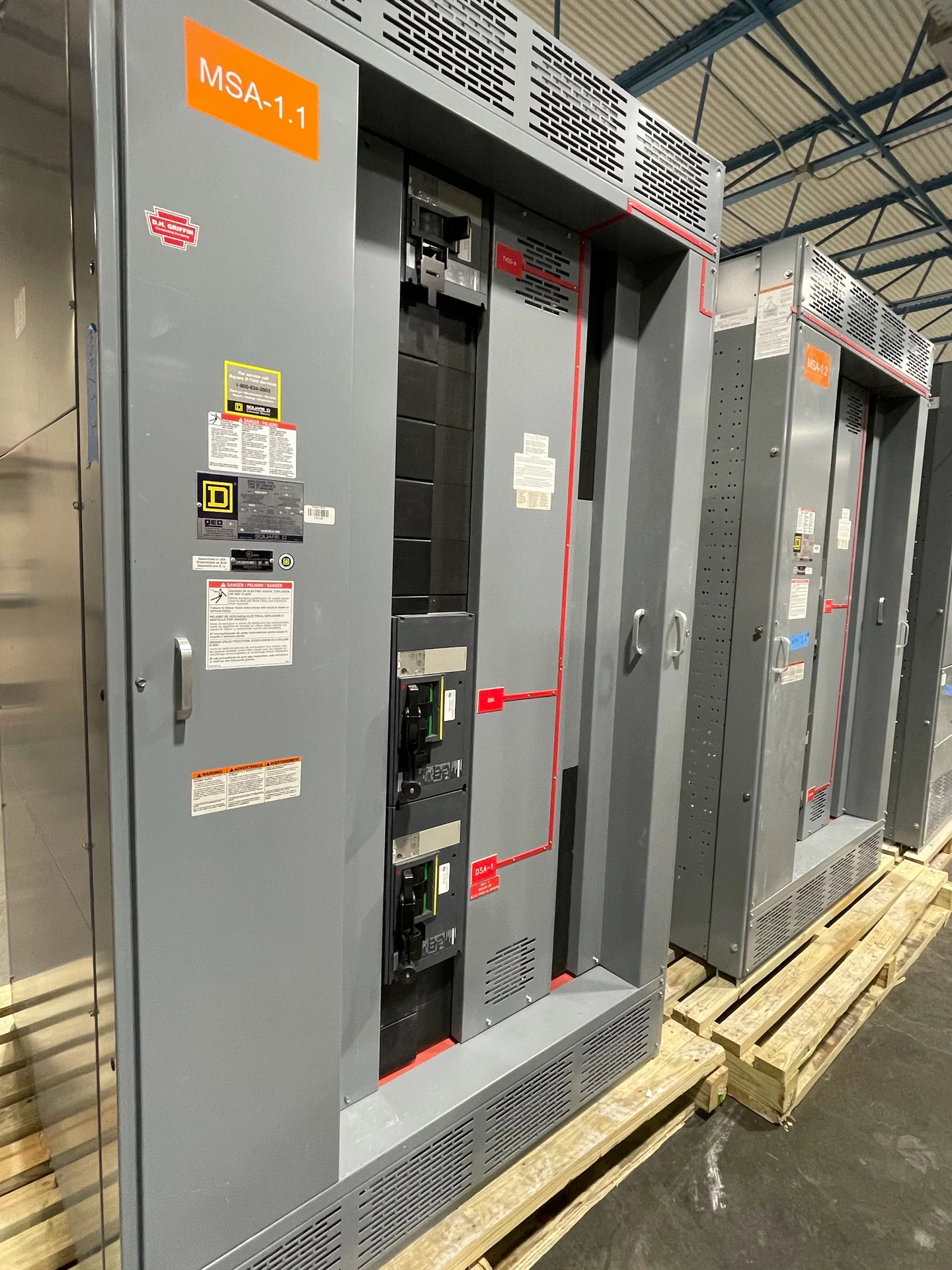
What an Arc-Flash Study Examines
An arc-flash study is an engineering assessment of how an electrical fault could affect people working near energized equipment. It uses the distribution system configuration, available fault current, clearing times, conductor information, and equipment working distances to estimate incident energy and arc-flash boundary values at defined locations. The purpose is planning: the results help qualified personnel establish approach practices, labels, protective settings, and equipment decisions appropriate to the documented system rather than relying on a generic assumption about switchgear. The report commonly records the modeled operating state, equipment identification, incident-energy result, boundary, working distance, and protective-device assumptions. It may also expose missing data or unusually long clearing times that deserve resolution before equipment procurement or field work. Treat the report as a controlled engineering document: preserve its revision, identify the source of each input, and make sure labels and procedures reflect the approved study rather than an earlier design.
Why the Distribution Model Matters
The calculation is only as useful as the electrical model behind it. Engineers typically need utility or source data, transformer impedances, generator and motor contributions where applicable, conductor lengths and sizes, protective-device types, trip settings, and the normal and alternate operating configurations. A main-tie-main lineup, generator transfer arrangement, or future feeder can change fault paths and clearing behavior. Switchgear Builders can use the project one-line diagram and equipment schedule to coordinate a new custom assembly with the study assumptions, while the responsible engineer determines the governing analysis and settings.
Incident Energy and Working Distance
Incident energy describes the thermal energy that could reach a person at a specified working distance during the modeled event. The arc-flash boundary is a calculated distance associated with a defined energy threshold, not a physical enclosure dimension or a promise that an event will occur. Results vary by equipment type, enclosure geometry, gap assumptions, fault current, and protective-device operating time. For that reason, a study should identify each bus or compartment, state its input assumptions, and distinguish calculated values from field conditions that still require verification.
How Results Influence New Switchgear
Study findings may influence the selected protective devices, compartment arrangement, bus configuration, control scheme, maintenance access, and documentation for new switchgear. A design team might compare a faster clearing strategy with coordination objectives, or review whether a proposed lineup supports the intended operating sequence and working space. Those choices involve trade-offs among selectivity, continuity, physical layout, and project requirements. They should be resolved through engineering review; an arc-flash study does not by itself establish a product rating, certification, or blanket compliance claim.
Information to Include in a Quote Request
A useful manufacturer inquiry should identify nominal voltage, phase and grounding arrangement, continuous-current needs, available fault-current information, source configuration, main and feeder devices, bus-tie logic, enclosure location, cable entry, physical constraints, and the desired control and metering interfaces. Include the latest one-line diagram, equipment schedule, study assumptions, and any required submittal or test documentation. Switchgear Builders manufactures new equipment in the United States, builds custom to specification with American components, and ships nationwide; project-specific design, applicability, and delivery details must be confirmed for the inquiry.
Keeping the Study Aligned Through Changes
An arc-flash assessment should be revisited when a source, transformer, feeder, breaker, trip setting, conductor route, operating mode, or lineup arrangement changes. Coordination between the study engineer, equipment manufacturer, electrical contractor, and owner helps prevent a drawing revision from quietly invalidating the model. Before fabrication, compare approved drawings with the study basis and identify who will verify field conditions and final settings. After installation, qualified personnel should follow the project safety program and applicable requirements when commissioning and maintaining the system.