What an Arc-Flash Study Examines
An arc-flash study evaluates the hazards that can result when electrical energy travels through an unintended arc, rather than along the designed circuit path. A qualified electrical professional models the distribution system, identifies equipment and operating scenarios, and calculates values such as incident energy and the approach boundaries that apply at defined locations. The result is not a generic label for an entire facility: it is an engineering assessment tied to a particular one-line diagram, equipment configuration, source condition, and protective-device arrangement. These arc-flash study basics help an owner understand why accurate system information matters before new switchgear is specified or an existing lineup is changed.
Information the Engineer Needs
A useful study starts with organized input rather than a product name alone. The study team may need utility fault information, transformer data, conductor lengths and sizes, equipment voltage, grounding method, motor contribution, generator or inverter sources, and the available settings for breakers, fuses, relays, and trip units. Equipment schedules, one-line diagrams, field observations, and manufacturer data should be reconciled so the model represents the installation being analyzed. For a new custom switchgear inquiry, provide the intended sources, bus arrangement, feeder details, enclosure location, and control requirements; the manufacturer can then coordinate equipment information with the engineer's project-specific design basis.
How Protective Settings Affect Results
Protective settings influence how long an arc can persist and therefore can materially affect calculated incident energy. Lowering a pickup or shortening a delay may reduce clearing time in one operating scenario, but settings also have to preserve coordination, avoid nuisance trips, and allow equipment to start or carry its intended load. A study should review normal, alternate-source, maintenance, generator, and tie operating conditions when those scenarios apply. The engineer—not a sales description—should establish settings and document assumptions. Switchgear builders can incorporate specified trip units, relays, metering, and control interfaces into a new assembly, while final settings and field commissioning remain project responsibilities.
Qualified Personnel and Field Verification
Arc-flash analysis is a specialized engineering task that should be performed and reviewed by qualified personnel familiar with the applicable electrical safety practices, study methods, and installation. Field verification is important because undocumented feeder changes, device substitutions, missing barriers, incorrect conductor data, or different utility conditions can invalidate a model. Personnel who collect data must work within their training, authorization, and site procedures, and energized work decisions require careful planning. A study report should identify its data date, modeled cases, assumptions, limitations, and recommended follow-up so facility teams can distinguish calculated information from conditions that still need confirmation.
Using Study Findings in New Switchgear Design
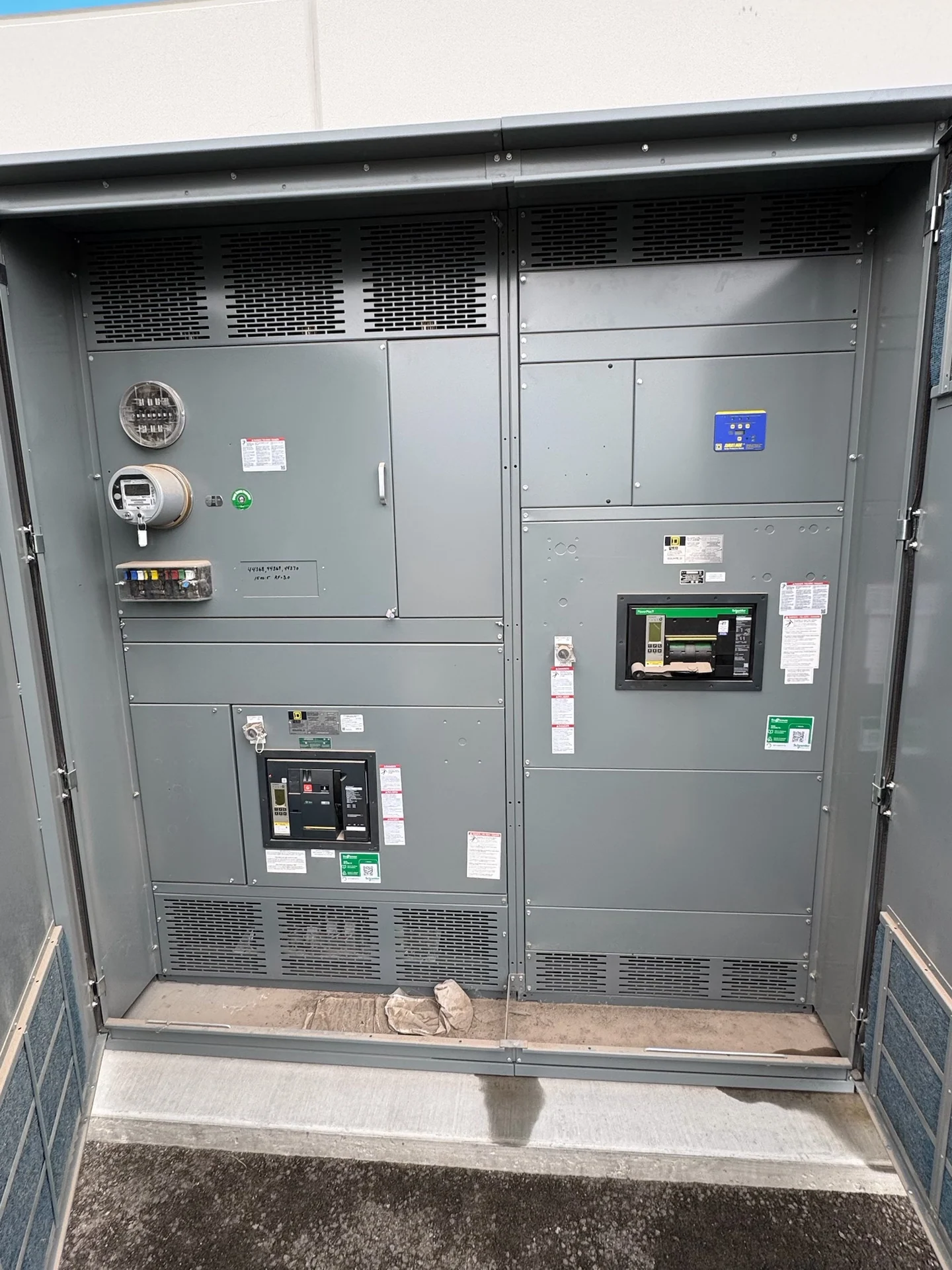
Study findings can inform the design requirements for new electrical switchgear without turning a calculation into an automatic equipment selection. The project team may use the results to review bus arrangement, protective-device capabilities, current-transformer and relay interfaces, compartment access, remote operation provisions where specified, labels, and the relationship between mains, ties, and feeders. Available fault current and protective coordination must be considered together with continuous load, voltage, phase, enclosure environment, physical clearances, and installation constraints. Switchgear Builders manufactures new custom switchgear in the United States, builds to project specifications with American components, and supplies equipment for nationwide shipping; the engineer and purchaser should define every required feature and document acceptance criteria before release.
Review, Labels, and Project Documentation
An arc-flash study should be treated as a controlled project document, not a one-time sticker exercise. When a transformer, feeder, source, protective device, or trip setting changes, the responsible engineer should determine whether the model, calculations, labels, and operating procedures need revision. Coordinate the study report with approved one-lines, equipment schedules, protective settings, installation drawings, and field records so the delivered lineup can be checked against the design. When requesting a manufacturer quote, identify the study status and the documents that will govern the build. Confirm any required testing, witness points, labeling format, and handover records with the project team rather than assuming they are included.