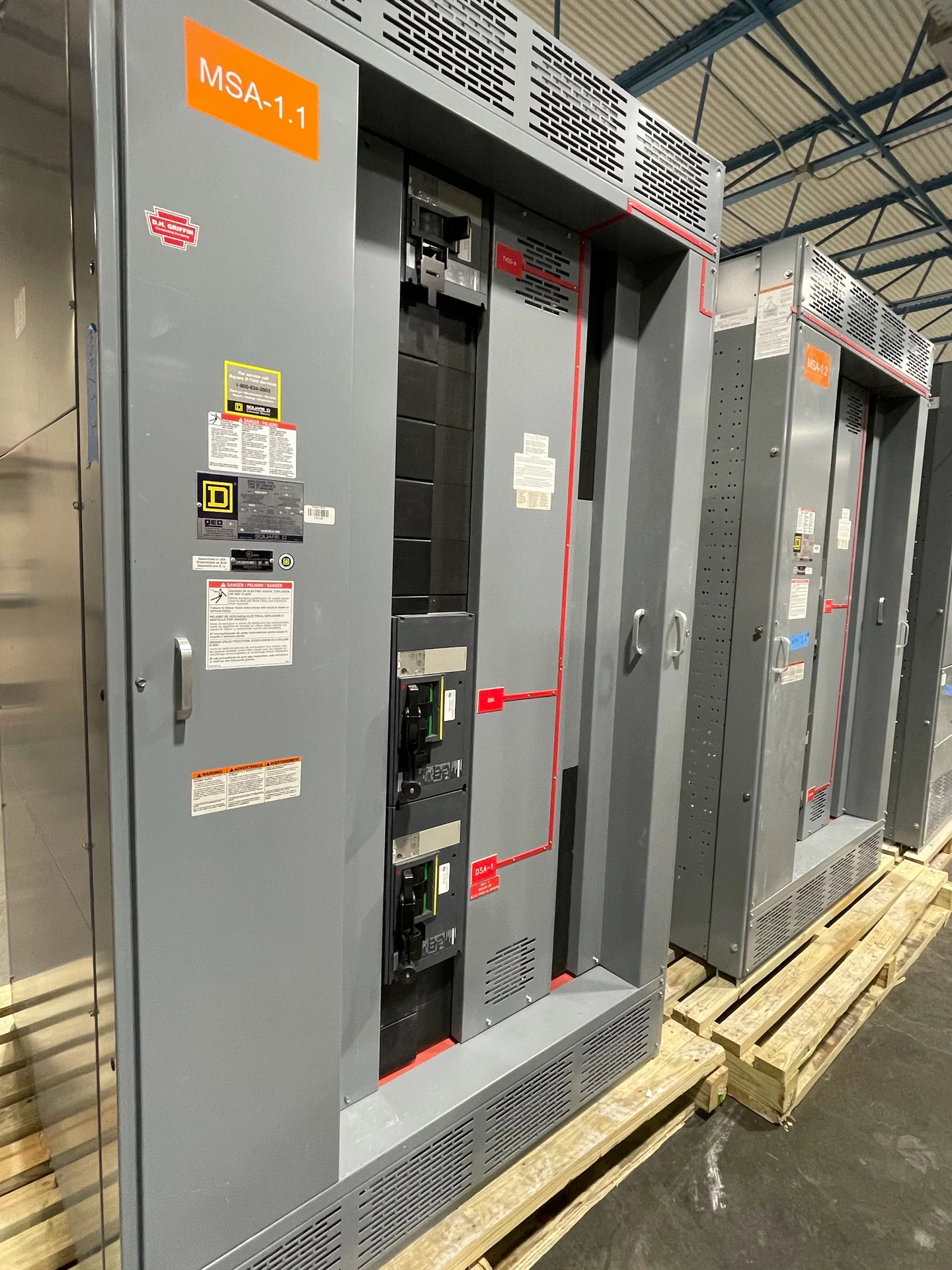
Arc Flash: A Practical Definition
Arc flash is a rapid electrical fault that travels through ionized air between energized conductors, a conductor and ground, or conductive parts at different potentials. The event can release intense heat, light, pressure, molten metal, and sound in a very short interval. Unlike an ordinary load current, an arc fault can change as the plasma path develops, so its behavior depends on the source, available fault current, conductor spacing, enclosure, protective devices, and the location of the fault. An arc flash definition is therefore a starting point for engineering review, not a prediction of one universal event. For example, a fault in a cable compartment may have a different arc path and exposure direction than a fault at an accessible bus connection, even when both are supplied from the same source.
Why the Hazard Is Site Specific
The same switchgear arrangement can present different arc-flash conditions when installed at different points in a distribution system. Utility impedance, transformer size, feeder length, grounding method, conductor geometry, protective-device settings, and maintenance state all affect the analysis. A qualified electrical professional typically uses the actual one-line diagram, equipment data, available fault-current information, and operating modes to evaluate the installation. Normal and alternate source configurations should be considered where a main-tie-main lineup, generator, transfer equipment, or parallel source can change fault contribution or clearing behavior. A study can compare normal operation with a tie-closed or generator-supported condition, because the source combination may alter both fault current and the time required for protection to clear the event. Recording each assumed operating state makes later review more meaningful.
Inputs for an Electrical Safety Assessment
A useful site-specific electrical safety assessment begins with accurate field information rather than a generic label. Collect equipment identification, nominal voltage, bus and feeder ratings, transformer data, conductor sizes and lengths, grounding details, protective-device types, trip settings, available fault-current studies, and the physical boundaries of each lineup. Document whether devices are fixed or drawout, how doors and covers are arranged, and which tasks require energized exposure. The assessment should also account for planned operating states, changes in load or generation, equipment condition, and the procedures governing work near energized parts. Field verification matters because a drawing may omit a later breaker change, cable reroute, or altered trip unit. Photographing nameplates and control compartments, tracing feeder paths, and recording actual settings gives the analyst evidence to reconcile with design documents before calculations are accepted.
How Switchgear Design Enters the Discussion
New switchgear does not replace the need for an electrical study, but its specified arrangement can provide the information and interfaces that the study requires. During a custom design, engineers and installers can coordinate the one-line diagram, source interlocking, protective devices, bus configuration, cable entry, enclosure details, metering, control wiring, and maintenance access. Switchgear Builders manufactures new electrical switchgear in the United States, custom to project specifications, with American components and nationwide shipping. The exact equipment scope, ratings, construction, and applicable requirements must be confirmed for each project rather than inferred from a general arc-flash discussion.
Assessment Results and Work Planning
An assessment may identify incident-energy values, approach boundaries, task-related precautions, protective settings, equipment labeling needs, and opportunities to reduce exposure through procedures or design changes. Those results belong to the specific installation and should be reviewed by the responsible electrical authority and qualified workers. Labels and written procedures should agree with the current configuration; changing a transformer, breaker, relay setting, source, cable, or tie position can make an earlier study incomplete. PPE selection and energized-work decisions should follow the applicable safety program and governing requirements, not a label viewed in isolation.
Questions to Resolve Before Ordering Equipment
When requesting a new switchgear quote, provide the equipment location, system voltage and phase, source arrangement, continuous loads, available fault-current information, one-line diagram, space and access limits, environmental conditions, control sequence, metering needs, and documentation expectations. Ask the project team which electrical safety assessment governs the design and whether protective-device coordination will be performed before settings are finalized. If UL 891 may apply to a switchboard project, treat applicability and any project-specific listing or verification as items to confirm for that configuration; do not assume the general term switchgear establishes a listing.