Busway in Plain Terms
Busway is an enclosed conductor system used to distribute electrical power along a defined route. Instead of pulling separate large conductors through conduit for every connection, the system places insulated or separated bus conductors inside a manufactured housing, with connection points arranged for the planned distribution path. A typical installation may carry power from service equipment or a distribution lineup toward downstream equipment, branch connections, or a group of loads. The enclosure protects the conductors and gives the electrical team a coordinated physical system, but the complete design still depends on voltage, current, fault duty, environment, installation method, and applicable project requirements.
How Busway Relates to Switchgear
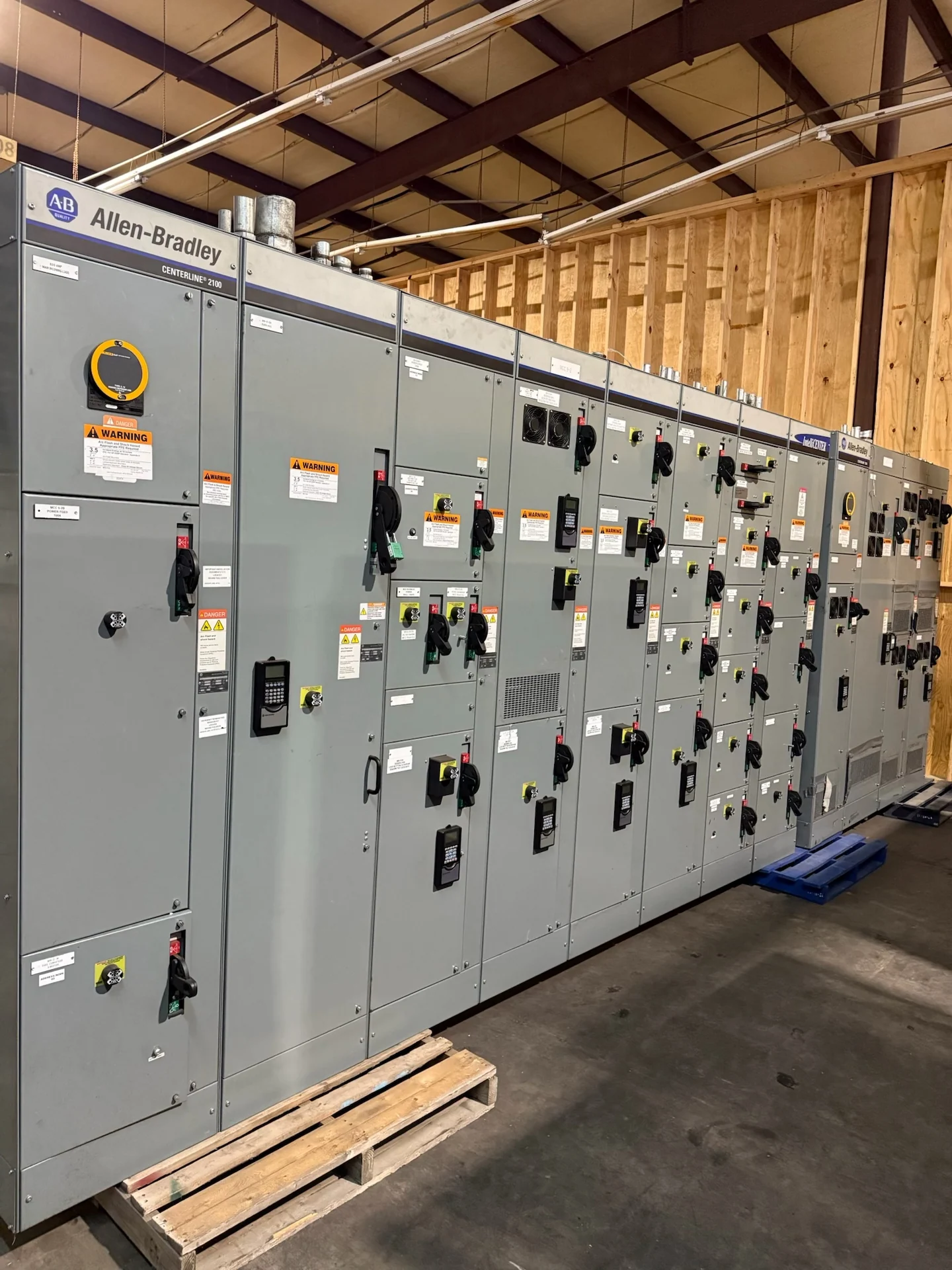
Busway and switchgear perform different jobs within a power distribution system. Switchgear generally houses switching, protective, metering, and control devices in an organized assembly, while busway provides a contained path for moving power between defined connection points. They may connect at a lineup, transformer, motor control center, panelboard, or other distribution equipment when the project design calls for that arrangement. A useful specification identifies both sides of each interface: conductor arrangement, termination space, phase and neutral needs, grounding method, connection orientation, and the equipment that must accept the busway connection.
Key Busway Selection Inputs
Selecting busway starts with electrical data rather than a product name alone. The design team should establish nominal system voltage, phase and wire configuration, continuous current, available fault current, frequency, grounding approach, and the loads served. The route also matters: total length, straight sections, bends, offsets, elevation changes, expansion points, tap locations, and transitions must be coordinated with the building or plant layout. Enclosure conditions such as indoor or outdoor exposure, moisture, dust, corrosion, ambient temperature, and access can change the appropriate construction and connection details.
Connections, Taps, and Coordination
A busway route is useful only when its joints and takeoff points align with the rest of the installation. Engineers and installers should coordinate tap boxes, plug-in units where applicable, feeder terminations, supports, clearances, and access for inspection or maintenance. The operating plan may also determine whether separate sources, ties, or selective distribution paths are appropriate. Drawings should show the busway route in relation to switchgear, transformers, walls, ceilings, structural supports, and equipment lineups. Early dimensional review prevents a technically adequate conductor system from becoming difficult to install or service.
Busway and a New Equipment Package
When a project includes new switchgear, the busway interface should be defined before fabrication begins. Provide the one-line diagram, equipment ratings, connection drawings, physical dimensions, entry direction, termination requirements, and any owner or utility specifications available for review. Switchgear Builders manufactures, builds, and supplies new electrical switchgear in the United States, custom to project specifications with American components and nationwide shipping. Busway itself may be furnished by the project team or another specified source; the important point is to document the interface so the new lineup and distribution path are engineered as compatible parts of one installation.
Questions to Resolve Before Ordering
Before requesting a quote, clarify whether the project needs a feeder route, a plug-in distribution arrangement, or another busway configuration; identify every source and load connection; and confirm who supplies supports, joints, tap units, transition sections, and field hardware. Ask the engineer of record to confirm ratings, clearances, grounding, coordination, and installation requirements. If a specification references a particular standard or UL 891, its applicability belongs to the specific equipment and project and must be confirmed rather than assumed. A complete information package produces a more useful review of the new switchgear scope and its busway interface.