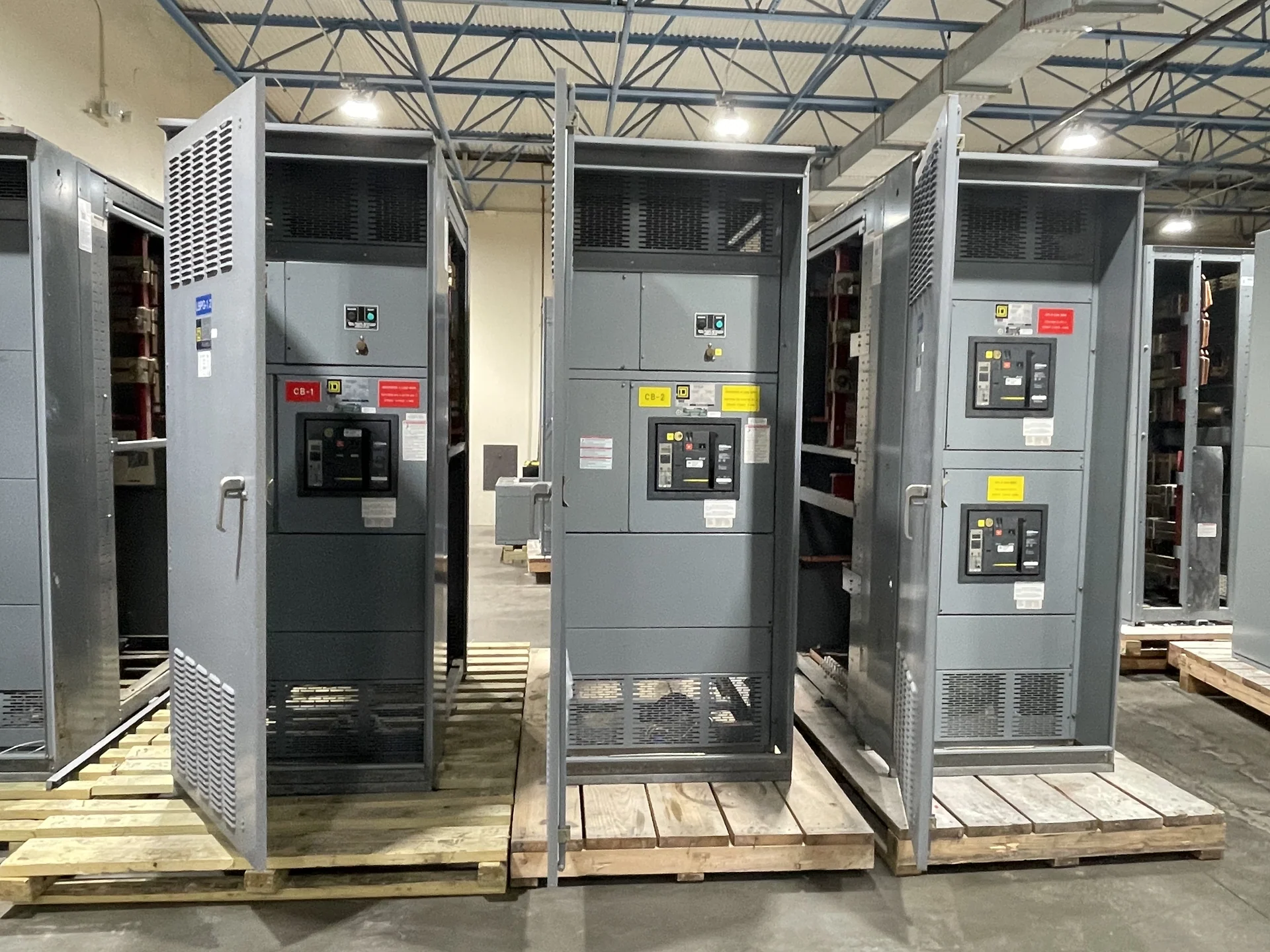
Enclosure Rating Definition
An enclosure rating is a designation describing how an electrical enclosure is intended to protect enclosed equipment under defined environmental and access conditions. The designation is meaningful only when read with its governing standard, test assumptions, and installation context. It may address entry of solids, water, dust, corrosion, accidental contact, or other hazards, depending on the rating system. An enclosure rating is not a general statement that every installation is safe in every environment, and it does not replace equipment ratings, grounding design, working clearances, or an engineered review of the complete switchgear assembly.
What an Enclosure Rating Describes
The rating identifies a defined boundary between the equipment interior and its surroundings. A project team might need protection from rain, hose-directed water, airborne dust, dripping condensation, or incidental contact with energized parts; those conditions are not interchangeable. The enclosure construction, door and gasket details, cable-entry methods, ventilation, drainage, and installed accessories all influence whether the intended protection remains effective. A designation should therefore be treated as a selection input, not as permission to modify the enclosure, drill new openings, or relocate the equipment without engineering review.
Rating Systems and Standards
Different specifications use different rating systems, terminology, and test methods. A procurement document may refer to a NEMA enclosure type, an IP code, a project-specific environmental requirement, or another applicable standard. These labels should not be assumed to be interchangeable because their scopes, test conditions, and marking conventions can differ. Before a new switchgear design is finalized, the engineer and manufacturer should identify the governing standard, required designation, indoor or outdoor location, ambient conditions, and any utility or authority requirements that affect the enclosure specification.
Selecting the Rating for New Switchgear
For custom new switchgear, selection starts with the actual installation rather than a preferred label. Provide the manufacturer with the room or site location, exposure to weather or washdown, dust or corrosive atmosphere, elevation when relevant, cable-entry direction, ventilation needs, access restrictions, and maintenance practices. Also identify whether the assembly is indoors, outdoors, in a conditioned electrical room, or near a process area. Switchgear Builders manufactures new electrical switchgear in the United States, custom to specification with American components and nationwide shipping; the requested enclosure designation still requires project-specific review and confirmation.
Limits of an Enclosure Rating
An enclosure rating does not by itself establish short-circuit capability, interrupting performance, arc-flash behavior, fire resistance, corrosion life, ingress protection after field alterations, or suitability for a classified location. Nor does it confirm that the internal devices, bus conductors, cable terminations, seals, and supports meet every requirement for the installation. Field conditions can defeat a design through missing covers, incompatible glands, open drains, damaged gaskets, unsealed conduit entries, or incorrect replacement hardware. Inspection and maintenance procedures should preserve the construction on which the designation depends.
Using the Definition in a Project Specification
A useful specification names the applicable rating system and designation, describes the environment, and states how penetrations, doors, removable panels, ventilation, and field modifications are to be handled. Attach drawings or photographs when an existing room or foundation constrains the enclosure footprint, and distinguish the enclosure requirement from electrical ratings such as voltage, continuous current, and available fault current. Ask the manufacturer to identify assumptions, exclusions, required accessories, and documentation for the proposed assembly. This produces a clearer quote request, supports consistent supplier comparison, and reduces the risk of selecting a label without defining the conditions it must address.