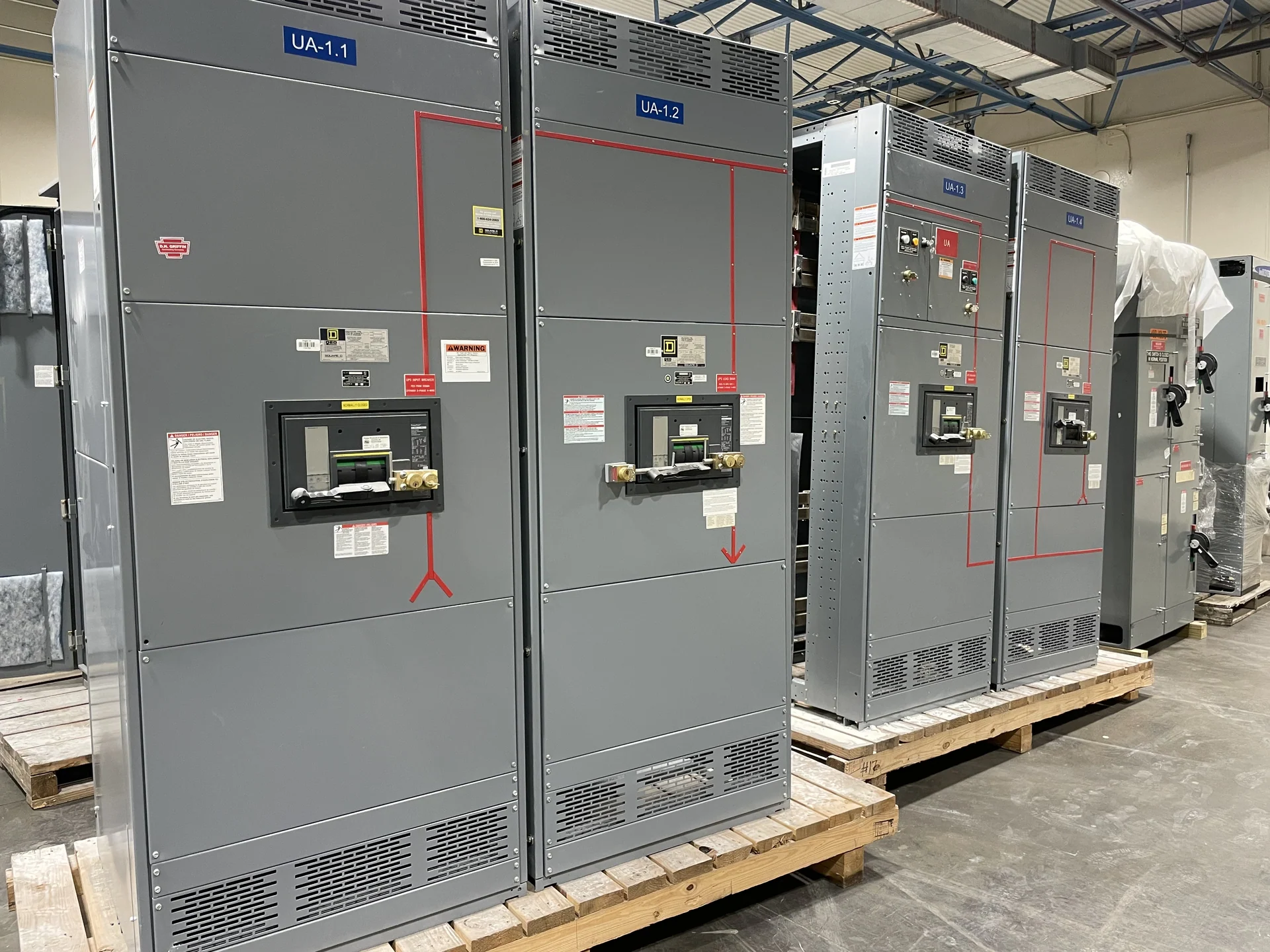
What an IP Rating Describes
An IP rating describes how an enclosure resists the entry of solid foreign objects and water under defined test conditions. The code normally contains two numerals: the first addresses protection against contact and solids, while the second addresses water exposure. A higher numeral is not automatically better for every installation; it indicates a different test condition. For a switchgear specification, identify the actual environment first, then select an electrical equipment rating that matches dust, moisture, cleaning methods, and access requirements. The applicable rating, test basis, and enclosure construction should be confirmed during project engineering rather than inferred from a product name.
Match the Enclosure to the Site
Indoor and outdoor locations can impose very different enclosure demands. An interior electrical room may have controlled exposure but still experience condensation, construction dust, washdown nearby, or ventilation openings that affect protection. Outdoor switchgear may face rain, blowing dust, standing water, sunlight, temperature changes, and wind-driven debris. A specification should state whether the equipment is inside, sheltered, exposed, elevated, or near a process area. Also document the mounting surface, cable-entry direction, roof or drip protection, drainage, and access doors, because installation details can weaken the intended barrier if they are not coordinated with the enclosure design.
Separate Water Exposure from Condensation
Water protection is not one broad condition. Dripping water, spraying, splashing, hose-directed water, and temporary immersion represent different exposures, and a rating selected for one should not be casually treated as evidence for another. Condensation creates a separate design question: a closed enclosure can still experience internal moisture when warm equipment cools or humid air enters during service. Discuss heaters, drains, breathers, seals, ventilation, and maintenance procedures with the responsible electrical engineer. The final switchgear specification should identify the expected exposure and any environmental controls instead of relying on a generic outdoor label.
Coordinate Openings, Seals, and Cable Entries
The enclosure rating depends on the complete assembly, not simply the outer doors. Cable glands, conduit hubs, louvers, handles, hinges, inspection windows, lifting provisions, and field modifications all create interfaces that require review. Cable-entry locations should be established before fabrication so conductors can bend correctly without forcing an improvised opening. Specify sealing materials and entry hardware appropriate to the environment, while preserving bonding and service access. If an installer drills, cuts, or replaces hardware in the field, the resulting condition must be evaluated against the project requirement; an enclosure label alone cannot validate every later modification.
Build IP Requirements into a Custom Quote
A useful switchgear quotation request should combine the desired IP rating with system and site information. Provide the one-line diagram, nominal voltage, phase and frequency, continuous current, fault-duty inputs, enclosure location, ambient conditions, cable-entry plan, dimensions, access direction, control and metering needs, and any cleaning or process exposure. State whether the rating applies to the entire lineup, a compartment, an auxiliary box, or a particular interface. Switchgear Builders manufactures new electrical switchgear in the United States, custom to specification with American components, and can review these inputs for a project-specific build and nationwide shipping plan.
Verify the Finished Equipment and Site Interface
Before release for manufacture, the design team should reconcile the enclosure rating with drawings, component arrangements, installation instructions, and the authority or owner requirements applicable to the project. Confirm that doors can close fully, gaskets remain continuous, drains do not create an unintended path, and cable entries match the approved layout. Receiving and installation teams should inspect shipping protection, hardware, seals, and field penetrations before energization. IP ratings do not replace electrical coordination, grounding, working-clearance review, or a project-specific determination of whether UL 891 applies; each of those matters should be addressed separately by qualified parties.