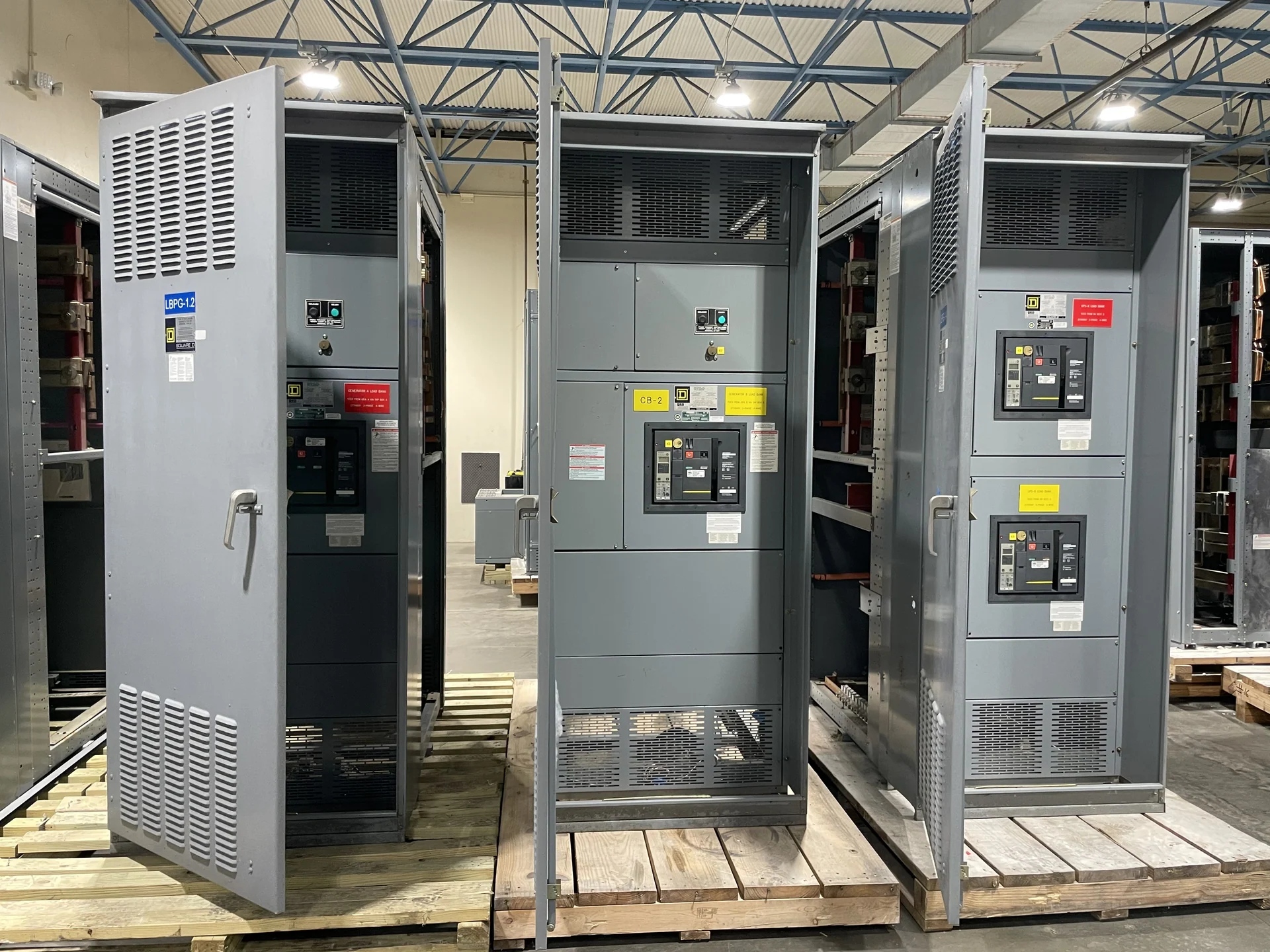
Why Enclosure Selection Belongs in the Switchgear Specification
A switchgear enclosure is part of the equipment design, not merely a cabinet chosen after the electrical work is complete. Its construction must suit the installation environment, access conditions, heat dissipation needs, cable entries, and protection expectations stated in the project documents. A NEMA enclosure rating provides a structured way to describe environmental protection, but the correct choice still depends on the actual room, pad, process area, or outdoor location. Switchgear Builders manufactures new electrical switchgear in the United States, builds custom to specification with American components, and can coordinate nationwide shipping around the approved equipment scope.
Match the Enclosure to the Installation Environment
Begin by describing what the enclosure will encounter. An indoor electrical room may require protection from falling dirt, incidental moisture, condensation, or maintenance activity, while an outdoor installation can add rain, wind-blown dust, sunlight, temperature changes, and standing water around the foundation. Industrial locations may introduce corrosive vapors, conductive dust, washdown, or process residue. These conditions should be documented by the engineer or facility team rather than inferred from a generic location label. The enclosure type should then be reviewed against the specified exposure and the equipment arrangement inside it.
NEMA Type Is Not a Substitute for Complete Design Review
NEMA enclosure types describe environmental protection characteristics, but they do not by themselves establish the switchgear voltage class, continuous current, interrupting duty, short-circuit withstand, arc-flash approach, internal temperature limits, or operating sequence. They also do not replace working-clearance rules, grounding and bonding details, cable-bending space, ventilation analysis, or the requirements of the authority having jurisdiction. A complete electrical equipment rating review should connect the enclosure selection to the one-line diagram, site conditions, applicable standards, and the construction details required for the particular assembly. Ask whether the enclosure will be opened during energized operating conditions, whether filters or heaters are contemplated, and how condensation will be managed. Those questions can reveal conflicts between environmental protection, heat removal, maintainability, and the available room footprint before the manufacturer prepares final drawings. They also help the purchasing team compare quotations on the same technical basis instead of treating an enclosure label as the entire equipment requirement.
Coordinate Doors, Seams, Entries, and Service Access
The practical performance of an enclosure depends on more than its nominal type designation. Door gaskets, hinges, latches, seams, removable panels, conduit hubs, cable glands, drain provisions, and unused openings all affect the completed installation. Entry points should be coordinated with cable size, bend radius, termination orientation, and the location of internal barriers or bus conductors. Maintenance access matters as well: a design that protects against site exposure but prevents safe inspection or device operation is not a useful solution. Review lifting, anchorage, door swing, and working space before fabrication drawings are approved.
Separate Environmental Protection from Corrosion Strategy
An enclosure rating and a corrosion-control plan address related but different questions. The rating concerns the enclosure's resistance to defined environmental ingress, while material selection, coating, hardware, fasteners, drainage, and cleaning practices influence how the assembly responds over time to a corrosive atmosphere. Stainless steel, painted steel, aluminum, or another construction approach may be considered only after the project identifies chemicals, humidity, salt exposure, washdown practices, and temperature conditions. The specification should state the desired material and finish requirements, or request manufacturer review, without assuming that one material is appropriate for every location.
Information to Include in a Custom Switchgear Inquiry
A useful switchgear inquiry should identify indoor or outdoor placement, the proposed NEMA enclosure type, elevation or climate concerns, exposure to dust or liquids, corrosive agents, sun or washdown, and any special access restrictions. Include the one-line diagram, system voltage and frequency, phase and grounding arrangement, current and fault-duty requirements, lineup dimensions, cable-entry direction, metering or controls, and required drawings or test records. Also provide the destination and receiving constraints so a manufacturer can plan packaging and nationwide shipping around the approved scope. Final enclosure selection should be confirmed during project engineering and submittal review.