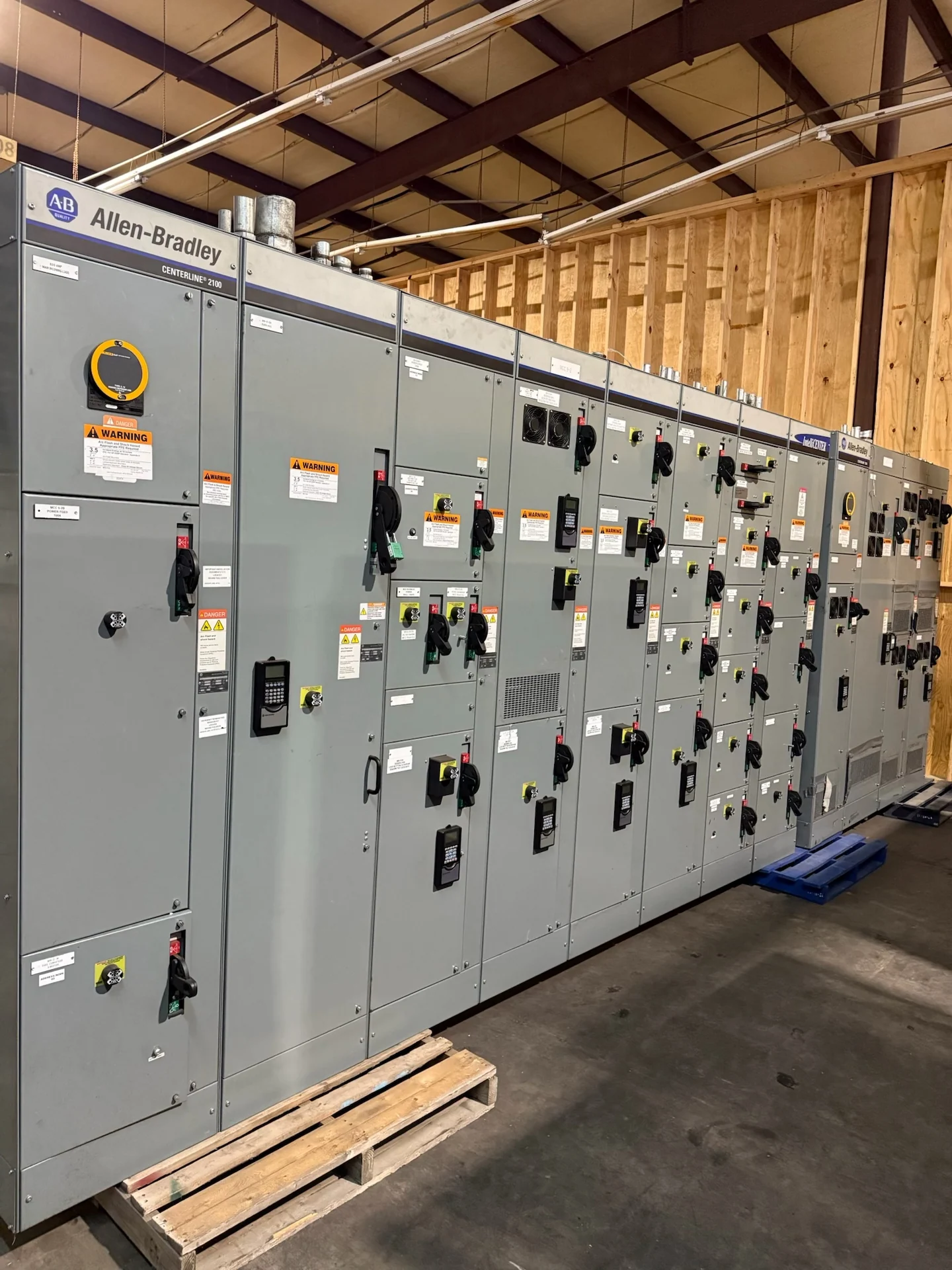
Electrical Metering Definition
Electrical metering is the measurement of electrical quantities at a defined point in a power distribution system. An electrical metering definition usually includes current, voltage, power, energy, frequency, and sometimes power factor or demand. Instruments, sensors, and communication devices convert those quantities into readings that operators, engineers, utilities, and facility teams can use to understand how a system is operating. In new switchgear, the metering arrangement must match the one-line diagram, system voltage, phase configuration, measurement location, and intended use rather than being selected as an isolated accessory. Readings can be instantaneous, averaged, accumulated, or time-stamped, so the desired interpretation should be stated before equipment is ordered. Consistent labels also help distinguish a feeder value from a total lineup value.
Current and Voltage Measurements
Current describes the flow through a conductor, while voltage describes the electrical potential difference between conductors or between a conductor and ground, as applicable to the system. Metering may use direct connections at suitable levels or instrument transformers when the circuit magnitude requires an indirect measurement method. The design team should identify phase conductors, neutral requirements, grounding arrangement, expected loading, and the accuracy needed for the application. Those inputs affect sensor selection, wiring, protection, space, and the way readings are displayed or transmitted. Current transformers and voltage transformers require attention to ratio, burden, polarity, and termination details; the responsible engineer should confirm the selected arrangement and its operating limitations.
Power, Energy, and Demand
Power indicates the rate at which electrical energy is being transferred, commonly expressed as real power, reactive power, or apparent power. Energy records accumulated consumption over time, while demand describes a measured level over a selected interval and can be important for utility billing or capacity planning. These values are related but not interchangeable. A project specification should state which quantities are required, the interval or logging behavior, scaling conventions, and whether local display, remote communications, or both are expected. Demand intervals and reset behavior should be documented, particularly when readings will be compared with utility records or used to evaluate load growth. Historical data is useful only when units and timestamps are clear.
Metering in New Switchgear
When Switchgear Builders manufactures new electrical switchgear in the United States, metering provisions can be coordinated with the custom assembly and its American components according to the project documents. Useful design information includes the source and feeder arrangement, nominal voltage, continuous current, phase and wire configuration, instrument transformer ratios, meter locations, control power, communications protocol, and enclosure layout. Metering should also be reviewed alongside protective devices and service interfaces so that measurement wiring does not conflict with isolation, access, or maintenance requirements. Depending on the layout, metering may be located at an incoming service, a main device, a tie, or individual feeders. Each location answers a different operational question and can change the wiring and enclosure-space requirements.
Accuracy, Scaling, and Documentation
A meter reading is meaningful only when its scale, polarity, phase association, and measurement class are appropriate for the circuit. Engineers should define accuracy expectations for operational monitoring separately from requirements for revenue or utility metering, because those uses can involve different documentation and review. Drawings should identify terminals, ratios, fuses or protective provisions where applicable, and communication points. A complete equipment package can make installation checks, commissioning, troubleshooting, and future interpretation more straightforward for the instruments specified in the project. Clear documentation should connect each displayed value to a circuit and phase, while commissioning personnel verify labels and scaling against the approved drawings. These checks support interpretation but do not replace the project test plan.
Planning a Metering Package
For a quote on custom switchgear with electrical metering, provide the latest one-line diagram, equipment schedule, metering points, required measurements, display preferences, control voltage, communications needs, and destination for nationwide shipping. Identify utility or owner standards early, and ask the engineer of record to confirm interfaces and applicable requirements. The manufacturer can use that information to develop a coordinated proposal for new equipment; any UL 891 applicability, listing, or other project credential must be confirmed for the specific assembly rather than assumed from the presence of a meter. Shipping and receiving plans should account for fragile displays, instrument-transformer wiring, and any separated sections. Installation personnel should compare the delivered equipment with approved documents before energization.