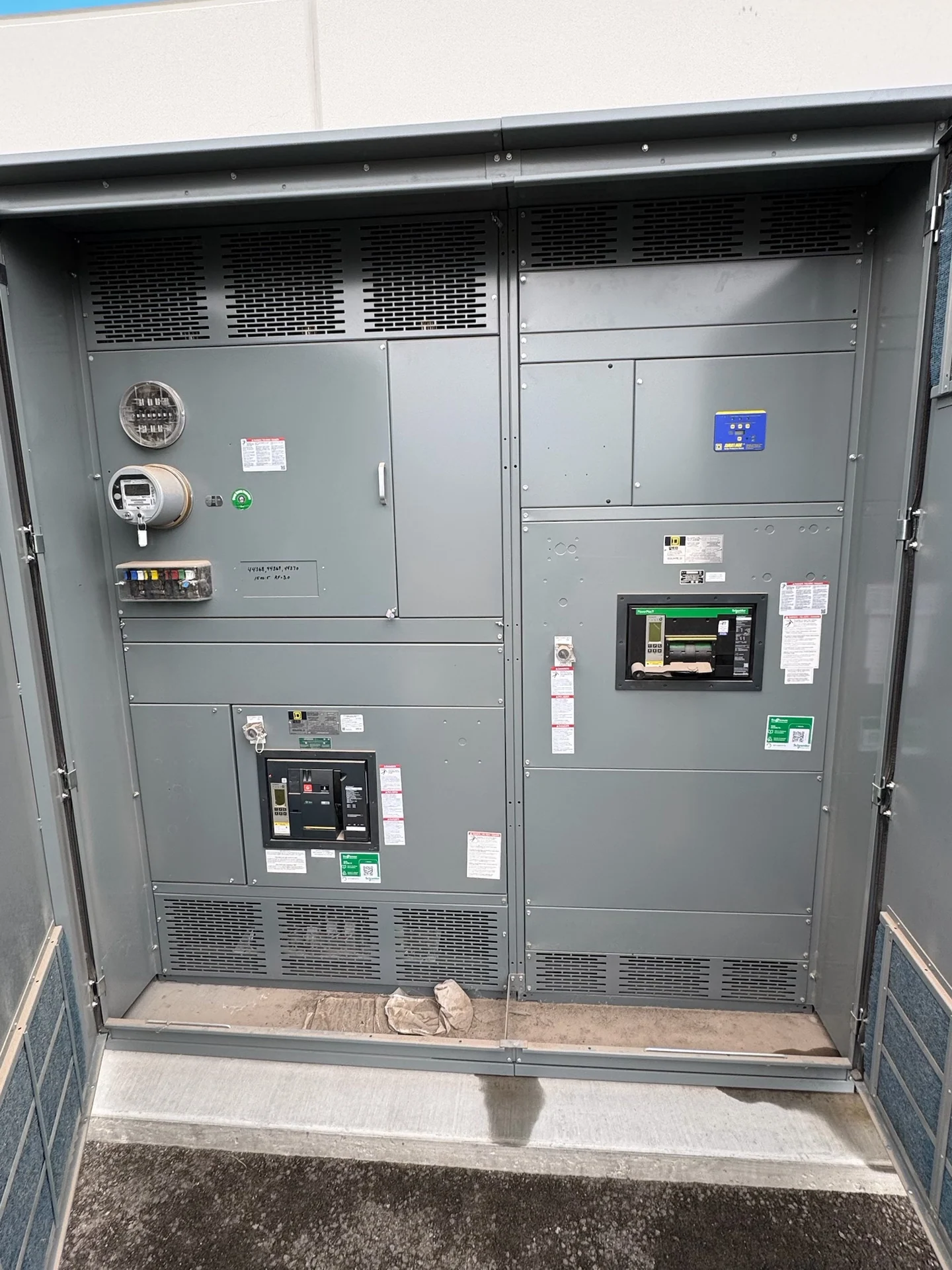
What Factory Testing Is Intended to Prove
Factory testing is a structured opportunity to compare a newly built switchgear assembly with its approved drawings, component data, wiring diagrams, and project requirements before shipment. It is not a substitute for system design, field installation, or a site acceptance process. A useful plan identifies what will be inspected, what will be energized or simulated, which instruments will be used, who may witness each activity, and how exceptions will be documented. When customers buy new switchgear directly from an American manufacturer, those decisions should be settled while the quote and submittal package are being developed, not left to an informal conversation at the end of production.
Visual and Mechanical Inspection Categories
A visual and mechanical inspection examines the physical details that support safe installation and predictable operation. Reviewers may compare enclosure dimensions, doors, barriers, labels, device identification, bus supports, grounding provisions, cable entry areas, terminal points, hardware, and lifting or shipping features with the approved layout. Mechanical checks can include breaker or switch movement, racking positions where applicable, door interlocks, shutters, latches, hinges, and key interlock sequences. Acceptance criteria should distinguish a cosmetic observation from a condition that affects clearances, access, wiring integrity, or the intended operating sequence.
Electrical Checks and Wiring Verification
Electrical checks depend on the assembly type, voltage class, devices, and the test plan agreed by the responsible engineering team. Common categories can include point-to-point wiring verification, control-circuit continuity, conductor identification, grounding and bonding checks, insulation-related measurements where appropriate, and confirmation that installed protective devices match the approved schedule. Test personnel should record instrument identity, method, environmental conditions when relevant, and results against defined criteria. The plan must also state which circuits remain de-energized, which connections are simulated, and what precautions apply; a generic checklist cannot establish suitability for every lineup.
Functional Tests for Controls and Interlocks
Functional testing evaluates whether the controls produce the intended response under defined normal, alternate, alarm, and trip scenarios. Depending on the design, demonstrations may cover breaker open and close commands, status indication, electrical interlocks, permissive logic, source selection, bus-tie sequencing, metering signals, annunciation, and communications points. A factory test should use an approved sequence with expected results rather than relying on an operator's memory. Simulated inputs need clear labels, and any function that requires field devices, utility signals, protection settings, or external wiring should be identified for separate commissioning or site verification.
Acceptance Criteria, Witnesses, and Records
Project-specific acceptance criteria turn a broad factory test into a usable record. The specification or purchase documents can define required test categories, sample forms, witness or hold points, permitted tolerances, retest rules, and the process for resolving deviations. A customer, engineer, or contractor may request a review of the test procedure before execution and a package containing completed check sheets, measured values, device settings, marked-up drawings, and an exception log. Records should identify the equipment section and revision tested so that later installation and commissioning teams can distinguish approved results from unresolved observations.
Planning a Manufacturer Test Package
A practical request for factory tests should include the one-line diagram, equipment schedule, control schematics, ratings, device list, operating narrative, site interface information, shipping split, and any required documentation format. Ask the manufacturer to identify assumptions, exclusions, customer-supplied signals, and tests that cannot be completed until field connections exist. Switchgear Builders manufactures new custom electrical switchgear in the United States, uses American components for its equipment offering, and ships nationwide; the exact test scope, documentation, shipping coordination, and project schedule still require confirmation for the specific build.