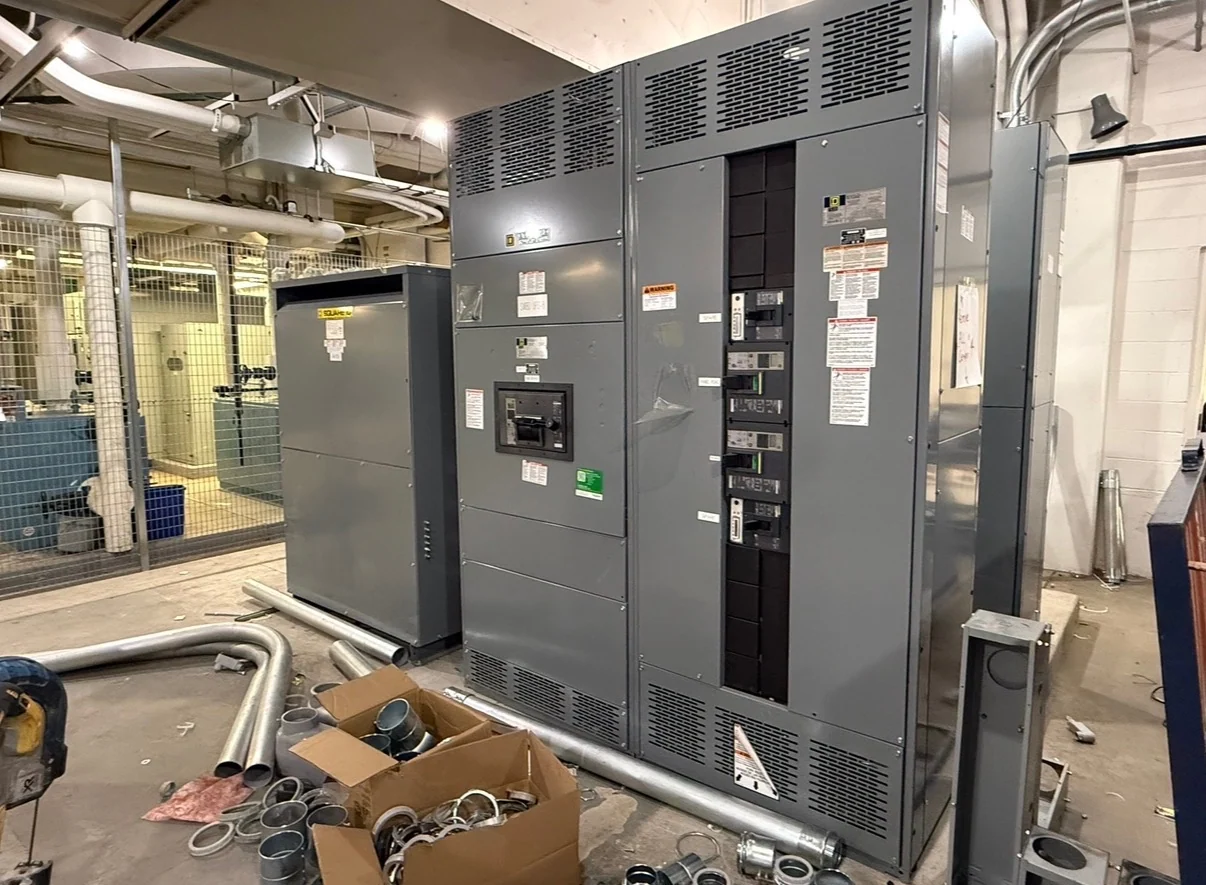
Why standards belong in the equipment definition
A switchgear standards overview is most useful when it connects each reference to a design decision rather than treating standards as interchangeable labels. The governing electrical code may establish installation rules, while a product standard can address construction, component integration, or test methods. Project specifications, utility rules, the authority having jurisdiction, and the engineer of record can add requirements. Before requesting a quote, identify the system voltage, grounding arrangement, available fault current, continuous load, environment, access limitations, and intended operating sequence. Those inputs let a manufacturer determine which requirements apply to a new custom assembly and which must be confirmed by the project team.
Separate codes from product standards
Codes and product standards serve different purposes. In the United States, the National Electrical Code, commonly referred to as NFPA 70, is often part of an installation review, but its application depends on the project, jurisdiction, adopted edition, and equipment context. A product standard may address how a particular class of switchboard or switchgear is designed, assembled, or evaluated. NEMA documents can provide terminology, application guidance, or enclosure considerations, while IEEE documents may inform power-system practice and testing. The design team should create a responsibility matrix showing who confirms each applicable edition, amendment, specification clause, and approval path.
When UL 891 may be relevant
UL 891 can be relevant to certain switchboard assemblies, but applicability is not automatic for every switchgear project or configuration. The engineer and purchaser should describe the equipment type, voltage class, construction, intended use, protective devices, and installation conditions, then ask which evaluation route the project requires. Any project-specific listing, field evaluation, witness testing, or other approval must be confirmed for the actual design and scope; a general reference to UL 891 does not establish a listing for a manufacturer or an assembly. Include the required evidence in the purchase documents before fabrication begins.
Ratings, construction, and coordination evidence
Standards review should be tied to measurable equipment information. Confirm nominal and maximum system voltage, frequency, phase configuration, continuous current, short-circuit current or withstand duty as applicable, interrupting ratings for protective devices, insulation requirements, bus material, grounding provisions, enclosure type, and environmental exposure. Then review selective coordination, protection settings, arc-flash study inputs, interlocks, metering, control power, and cable entry against the one-line diagram. A manufacturer building new electrical switchgear in the United States can use American components and custom construction to the approved design, while the project engineer still determines the required ratings and coordination results.
Testing and documentation to specify
A useful specification states what will be inspected, tested, recorded, and delivered instead of merely requesting equipment that meets standards. Potential documentation can include approved drawings, component data, wiring diagrams, torque or assembly records where required, continuity checks, insulation checks, functional verification, and a project-defined factory acceptance procedure. The exact tests, acceptance criteria, witnessing, and report format should be agreed before production. Installation testing remains a separate responsibility and may involve field connections, grounding, settings, phasing, and energization controls that cannot be proven by a factory document alone.
Build a standards checklist for procurement
For a quote or submittal review, assemble the adopted code edition, applicable product standards, utility requirements, owner specifications, drawings, site conditions, and approval milestones in one controlled package. Ask the manufacturer to identify assumptions, exclusions, component substitutions, required clarifications, and documents supplied with the new lineup. Confirm whether shipping sections, lifting points, shipping splits, access doors, and field assembly affect the approved arrangement. Switchgear Builders manufactures and supplies new custom electrical switchgear in the United States with nationwide shipping; delivery terms and project-specific requirements should be defined in the quotation rather than inferred from a general standards reference.