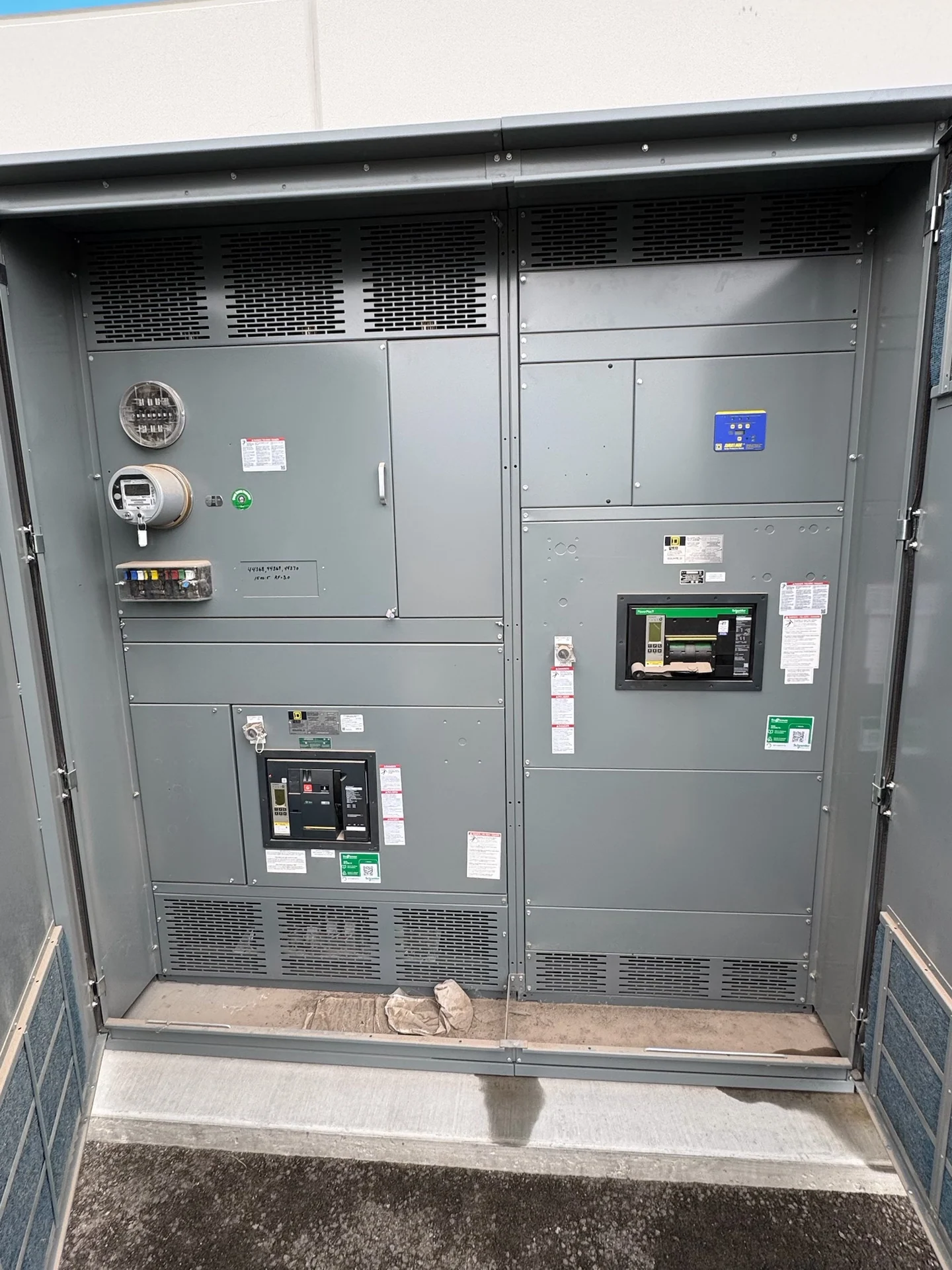
Start With the Approved Design Basis
A useful switchgear submittal review begins with the documents that define the project, not with isolated equipment pages. Gather the current one-line diagram, specifications, load schedules, short-circuit study, protective-device requirements, room plans, and any owner or utility criteria. Confirm that the submitted lineup is intended for the same source arrangement, voltage class, phase configuration, grounding method, and service role. Mark revisions and unresolved design questions before checking dimensions. This prevents a drawing from appearing acceptable simply because its symbols resemble the one-line while its actual electrical interfaces differ from the project basis.
Reconcile the One-Line and Device Schedule
Compare every main, tie, feeder, breaker, switch, fuse, transformer connection, meter, and control function between the one-line and the submittal device schedule. Look for matching designations, poles, source relationships, feeder destinations, and operating states. A main-tie-main arrangement, for example, requires more than three correctly named devices; the drawing should communicate normal source status, tie operation, interlocking intent, and any required transfer sequence. Check that protective-device frame, sensor, trip, or fuse information is presented consistently with the project study and specification. Differences should become written review comments rather than assumptions left for installation.
Check Ratings Against the Project Duty
Ratings need to be reviewed as a coordinated set. Verify nominal system voltage, frequency, continuous current for mains and bus, feeder ampacity, interrupting or withstand duty as applicable, and the equipment environmental assumptions. Compare available fault current information with the ratings identified for each protective device and assembly, while recognizing that the responsible engineer must determine the governing values. For medium-voltage work, also examine insulation coordination and related system data where applicable. Do not infer compliance from a catalog label alone; request clarification when a rating, calculation basis, or project-specific requirement is missing from the submittal.
Review Layout, Access, and Interfaces
Use plan views, elevations, sections, and connection details to test whether the proposed equipment can fit the intended room and installation path. Check lineup length, height, depth, cable entry, busway or conduit interfaces, door swing, removable-device clearance, working space, ventilation assumptions, and lifting or anchorage provisions. Coordinate incoming and outgoing conductor locations with the electrical contractor's routing plan and the facility's structural conditions. A dimension that works on paper may still conflict with a wall, beam, doorway, trench, or maintenance route, so record field-verification responsibilities and identify which dimensions remain subject to final engineering.
Examine Controls, Metering, and Documentation
Submittal review should cover the operating logic as carefully as the power compartments. Trace control schematics, terminal blocks, auxiliary contacts, interlocks, remote signals, metering points, communications requirements, and source-status indications against the written sequence of operation. Confirm that device tags and wire references remain consistent across schematics, schedules, and layout drawings. Review the proposed document package as well: outline drawings, bills of material, data sheets, wiring information, test-plan boundaries, and installation instructions should identify what the manufacturer will provide and what the project team must furnish. If UL 891 may apply, confirm its applicability and any project-specific listing requirements rather than assuming them.
Turn Comments Into a Buildable Release
A strong review closes the loop between design comments and fabrication authorization. Separate required corrections from informational notes, assign each comment to a responsible party, and cite the drawing or schedule location that needs revision. Recheck revised documents against the same one-line, ratings, interfaces, and specifications instead of reviewing only the changed sheet. When requesting a manufacturer quote or custom build, provide the consolidated comment log, latest drawings, destination, shipping constraints, and required documentation so the scope is unambiguous. Switchgear Builders manufactures new custom electrical switchgear in the United States with American components and nationwide shipping, with final design details confirmed for each project.