Start with the Installation Environment
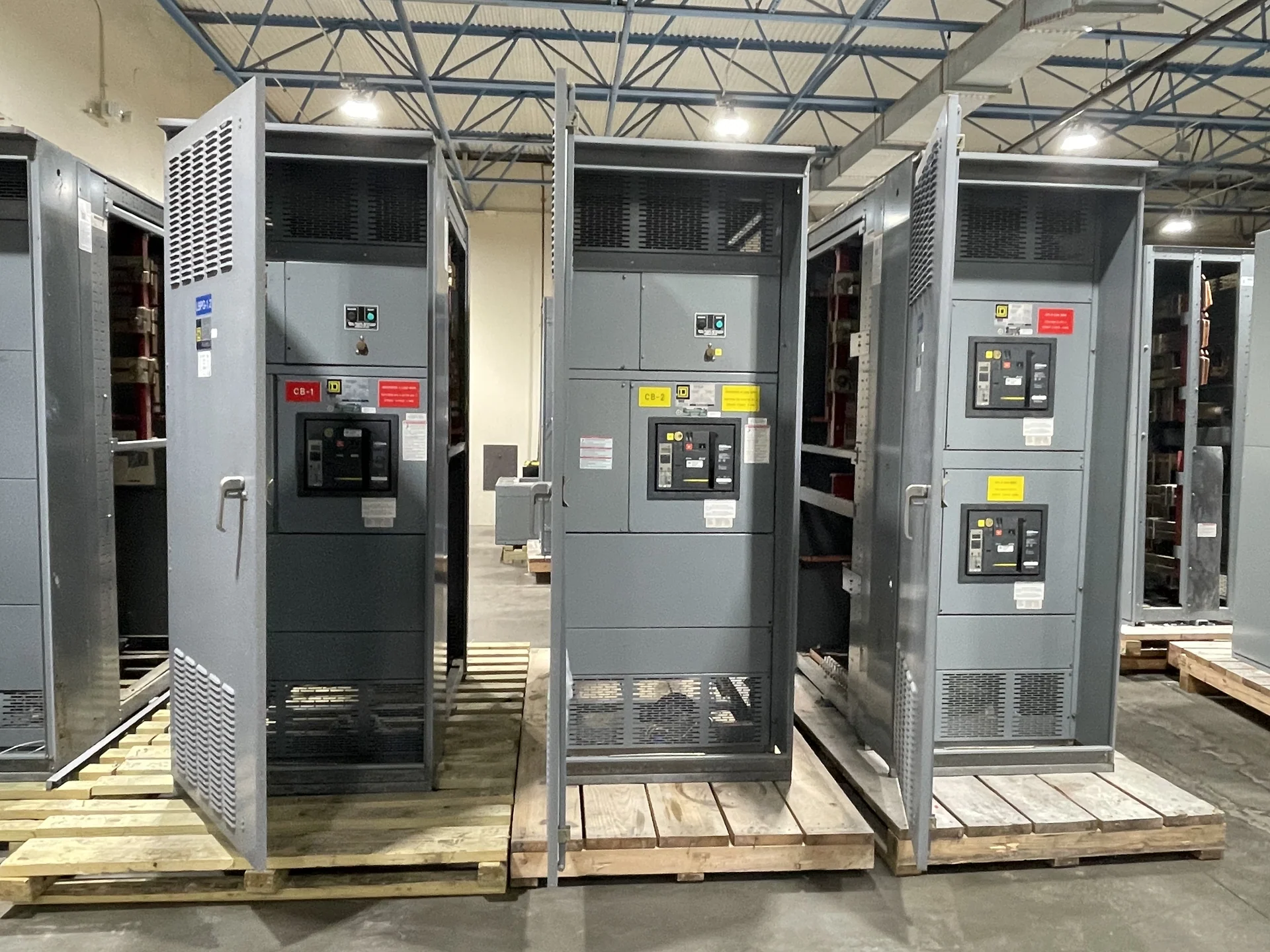
Choosing between indoor and outdoor switchgear enclosures begins with the actual installation environment, not simply the preferred cabinet appearance. An indoor lineup may be appropriate in a controlled electrical room, while outdoor equipment must account for rain, sunlight, condensation, dust, temperature changes, wind, and site drainage. Document whether the equipment will be exposed, sheltered, or installed inside a separate weather-protective structure. Also identify corrosive agents, washdown practices, airborne contaminants, and the expected maintenance conditions. These inputs help define an enclosure approach and prevent a specification from treating an electrical equipment rating as independent of the surrounding installation.
Coordinate Enclosure Ratings with the Site
An enclosure rating should be selected against the hazards and exposure expected at the final location, with the applicable project requirements confirmed by the responsible electrical engineer. Consider water entry, dust, accidental contact, corrosion, ventilation openings, cable entrances, doors, gaskets, and the way field modifications could affect protection. Indoor and outdoor switchgear enclosures can require different construction details even when the internal distribution function is similar. The specification should identify the environmental conditions, enclosure type or rating required by the project, finish expectations, and any utility or owner criteria. A manufacturer can then build the new equipment to the stated application rather than guessing from a general location label.
Plan Access, Working Space, and Maintenance
Room access is a design constraint that should be resolved before an indoor lineup is released for fabrication. Record door widths, ceiling height, turning areas, floor loading, equipment movement paths, lifting limitations, and the intended final orientation. Working clearances must be coordinated with the governing electrical design, adjacent equipment, doors, removable parts, and cable termination space. For outdoor installations, include perimeter access, vehicle or crane approach, security provisions, drainage, and safe operating space. These details influence lineup dimensions, shipping splits, lifting provisions, and field assembly responsibilities. A practical layout review connects the enclosure to the building and site instead of viewing it as an isolated box.
Account for Ventilation and Internal Heat
Ventilation deserves separate attention because an enclosure that limits environmental entry may also restrict heat removal. Define the continuous current, device arrangement, conductor routing, ambient conditions, solar exposure where applicable, and any heat-producing components identified by the equipment design. Indoor rooms may depend on building ventilation, while outdoor equipment may need an enclosure strategy that addresses sun loading, temperature swings, and moisture without undermining the required environmental protection. Do not assume that adding vents, fans, filters, or heaters is automatically suitable; each choice should be reviewed against the project specification, maintenance practices, controls, and electrical clearances.
Coordinate Electrical and Physical Interfaces
The enclosure specification should connect physical details to the electrical distribution requirements. Provide the one-line diagram, nominal system voltage, phase and wire arrangement, grounding method, continuous current, available fault current, protective device information, feeder entries, neutral and grounding provisions, metering needs, and control interfaces. Show whether cables enter from the top, bottom, or side, and identify termination space and bend requirements. For an indoor or outdoor switchgear project, also define bus connections, shipping sections, field joints, anchorage points, conduit paths, and access zones. These inputs allow Switchgear Builders to engineer and supply a custom new assembly using American components, subject to project review.
Prepare a Clear Manufacturer Quote Package
A useful quote request should state the application, installation environment, enclosure requirements, dimensions or room drawings, electrical ratings, source and feeder arrangement, control sequence, documentation expectations, testing scope, destination, and required shipping assumptions. Include photographs or surveyed dimensions when the equipment must fit an existing room, but have the responsible professionals confirm field measurements and clearances. Ask questions about proposed materials, finish, access provisions, ventilation approach, shipping sections, and exclusions so competing offers can be compared on the same basis. Switchgear Builders manufactures custom new electrical switchgear in the United States and ships nationwide; final scope, component details, and any applicable standard requirements must be confirmed for the project.