Start With the Hawaii Project Context
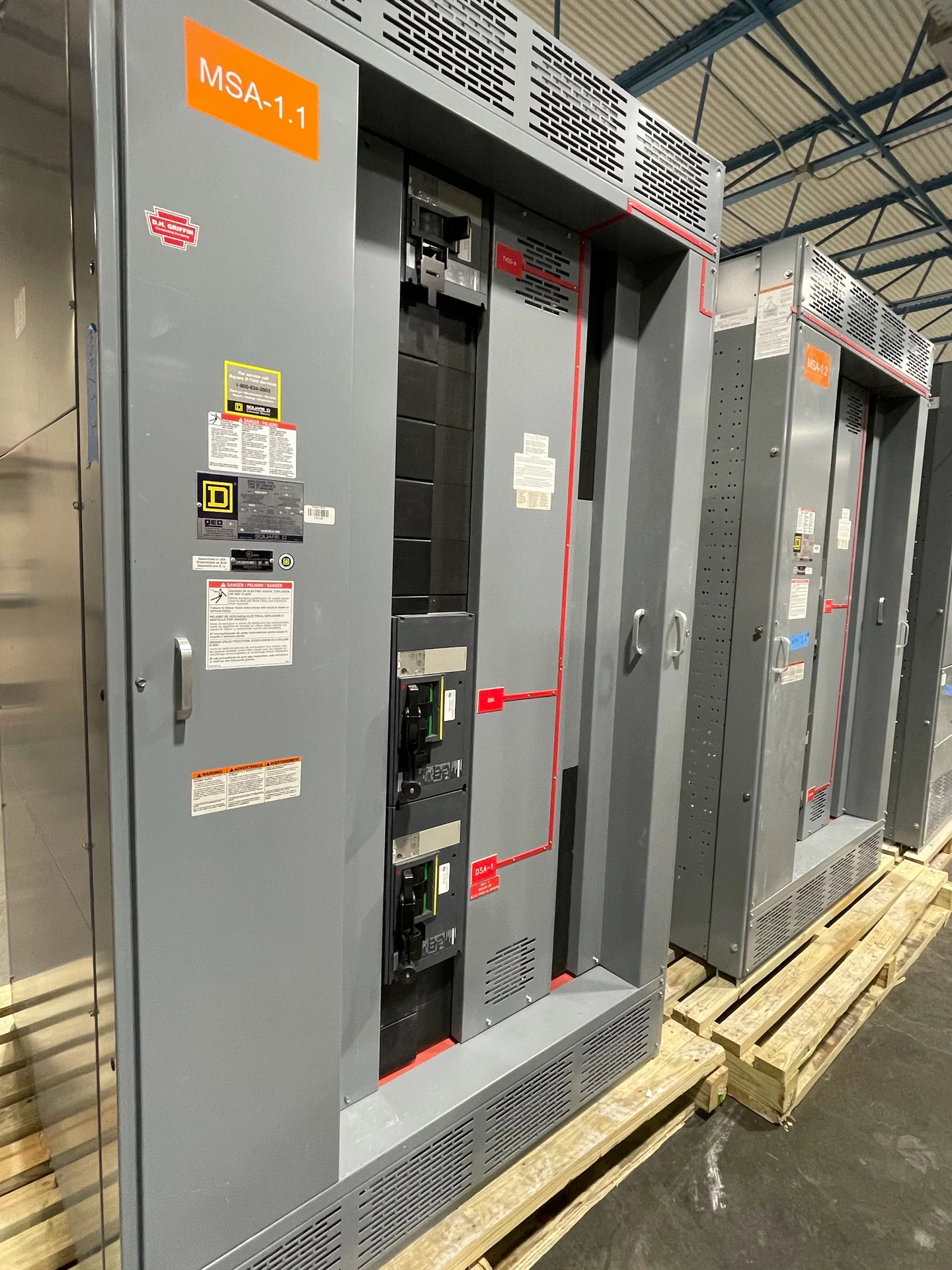
Planning Hawaii switchgear for a commercial building begins with the electrical system, not a generic equipment label. Establish whether the project is new construction, an expansion, or a replacement, then identify the service arrangement, nominal voltage, phase and wire configuration, grounding method, available fault current, and calculated demand. A useful inquiry also identifies the building type, utility interface, feeder destinations, operating priorities, and any future load allowance. For island logistics, identify the destination island, receiving port or freight facility, site access, and who will coordinate final movement to the building. Switchgear Builders manufactures new electrical switchgear in the United States, builds custom equipment to the project specification, uses American components, and can coordinate nationwide shipping; the final design still depends on project engineering and site requirements.
Match Low-Voltage Ratings to the Distribution Plan
Low-voltage switchgear for commercial building distribution should be specified around the complete distribution plan. Review the continuous current requirement for the main and each feeder, the short-circuit duty at the equipment location, protective-device interrupting ratings, bus capacity, and the operating sequence for mains or ties. A higher nominal ampere value is not a substitute for a coordinated study. The one-line diagram, load calculation, fault-current information, protective settings, and grounding details give the manufacturer the inputs needed to develop a practical lineup rather than guessing from a building name or location.
Protect Feeders and Coordinate Devices
Feeder protection deserves separate attention because commercial buildings often combine lighting, receptacles, HVAC, elevators, pumps, tenant loads, and specialized equipment. Define each feeder's destination, conductor arrangement, expected load, and required protective device, then review time-current coordination with upstream and downstream equipment. The project team should decide which circuits require metering, shunt or undervoltage functions, communication, or remote indications. These choices affect compartment space, control wiring, documentation, and field interfaces, so they belong in the design review before fabrication of the new assembly.
Reserve Room for Installation and Service
Equipment room planning is especially important when a switchgear lineup must reach a building site by sea or air freight and then move through the facility. Confirm the available wall or floor footprint, lineup height, front and rear access, working clearances, cable-entry direction, bending space, ventilation, doors, corridors, elevators, and rigging path. Ask whether the assembly should be divided into shipping sections and document section weights and lifting provisions. A dimensional layout should be reviewed with the electrical engineer, contractor, and qualified installer before the manufacturer releases drawings.
Plan for Future Commercial Loads
Future-load planning should be explicit instead of relying on unused space alone. Identify anticipated tenant changes, electrification, additional cooling, charging equipment, process loads, or standby-source additions, and distinguish spare physical compartments from spare electrical capacity. The team can then evaluate bus, main, feeder, metering, and control provisions against the expected expansion. Any allowance must remain consistent with the available fault current, conductors, room clearances, and protection study. A custom manufacturer quote is more useful when it states which future provisions are required and which are only conceptual.
Prepare a Complete Quote and Delivery Package
For a Hawaii electrical distribution inquiry, provide the latest one-line diagram, equipment schedule, site and room dimensions, service information, fault-current data, feeder list, control requirements, metering expectations, environmental conditions, shipping destination, receiving constraints, and requested project documents. State whether drawings, inspection records, electrical checks, or functional testing are part of the specification, and identify the reviewing engineer or authority where applicable. Switchgear Builders can evaluate the request as a U.S. manufacturer of new custom equipment and discuss nationwide shipping details for the specific project; shipping scope, freight terms, and timing must be confirmed rather than assumed.