Start with the Healthcare Load Hierarchy
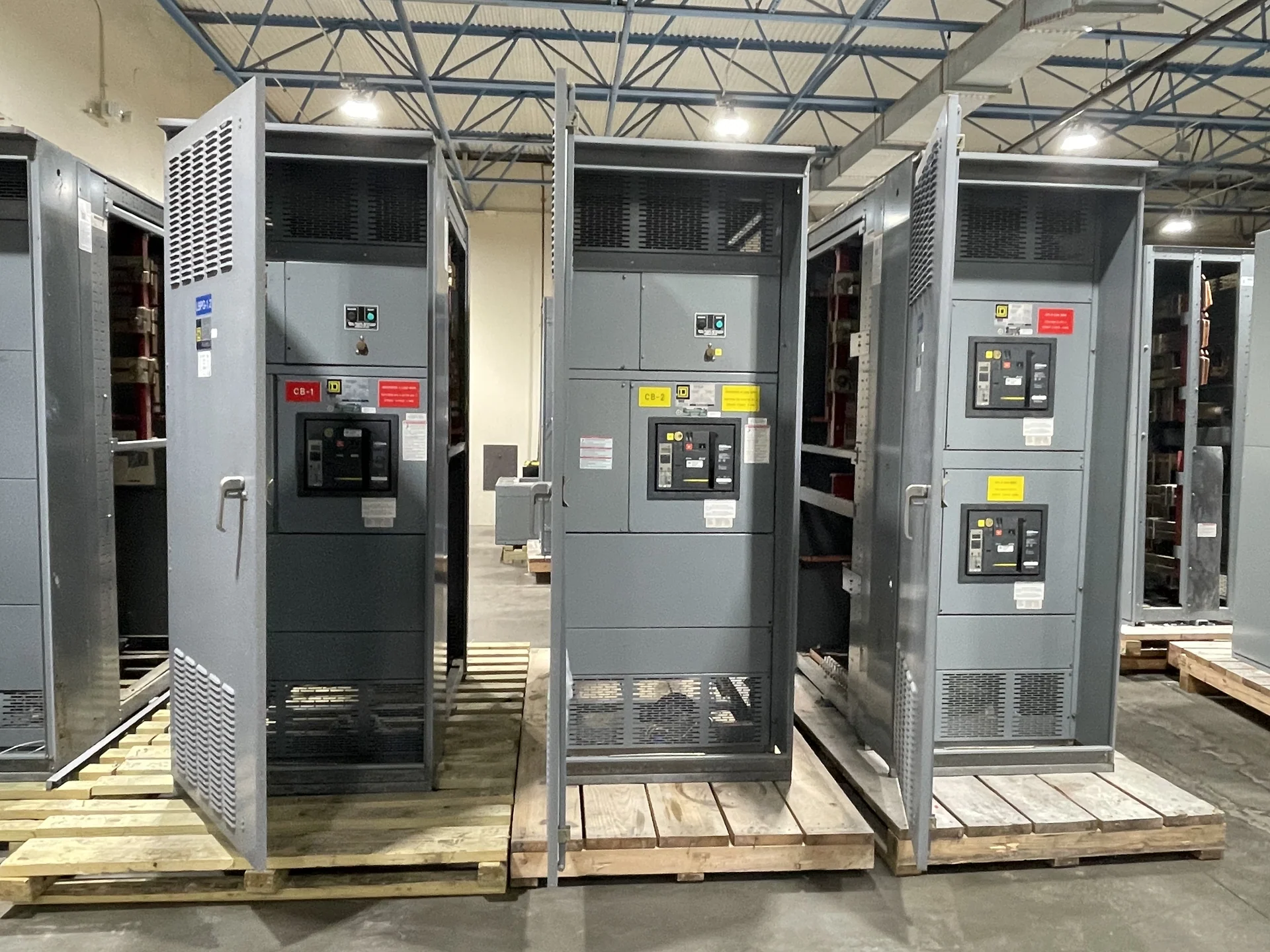
A Honolulu healthcare backup-power project should begin with a documented load hierarchy rather than a switchgear size chosen from a catalog. Identify loads that support life safety, patient care, clinical operations, communications, security, refrigeration, water systems, and building services, then record normal and emergency operating conditions for each group. The one-line diagram should show sources, transfer points, distribution sections, grounding, feeder destinations, and any separation required by the facility design. This information lets a manufacturer evaluate new switchgear and related transfer equipment against the actual electrical interfaces instead of guessing from the building name alone. For Honolulu facilities, map which loads may share an emergency source and which require dedicated feeders, then identify phased renovation boundaries. Mark spaces, elevators, nurse-call systems, and medical gas controls only where the engineer's load schedule assigns them.
Define the Transfer Sequence
Transfer equipment is governed by operating logic as much as by enclosure dimensions. The project team should describe how normal and alternate sources are sensed, which source is preferred, whether transfer is open or another arrangement is required, how retransfer is initiated, and what happens when a source becomes unstable. Include generator start contacts, time delays, bypass or isolation provisions if specified, manual controls, alarms, remote indications, and interlocking requirements. For a healthcare facility in Honolulu, those decisions should be reviewed with the electrical engineer, generator designer, controls specialists, and facility operators before a custom lineup is quoted. Write the sequence as steps: source-fail detection, generator availability, transfer permissives, breaker positions, retransfer conditions, and alarm states. Include operator actions during testing and how a permissive is reported without creating an unintended parallel condition.
Account for Island Logistics and Site Access
Shipping new healthcare backup power switchgear to Honolulu requires logistics to be treated as a design input, not an afterthought. Provide the destination, receiving hours, unloading method, available doorway and corridor dimensions, floor loading information, crane or rigging constraints, and whether the lineup must be split for transport. A manufacturer can use those details to plan enclosure sections, lifting provisions, protective packaging, and nationwide shipment coordination. Freight terms, marine transit assumptions, site storage, weather protection, and responsibility for final movement should be stated in the project documents and confirmed before release. Ask the installer to verify the route from the receiving point to the electrical room before finalizing shipping splits. Honolulu site conditions can make staging space, salt-air exposure, weather protection, and coordinated crane access important planning inputs, but the team must define conditions.
Coordinate Ratings and Protection
The equipment specification should identify system voltage, frequency, phase and wire arrangement, continuous current, available fault current, interrupting duties, grounding method, short-circuit withstand requirements, and the protective devices that must coordinate with upstream and downstream equipment. Generator contribution, motor starting, transformer inrush, and selective coordination objectives can materially affect the design. A project-specific review should compare time-current behavior and settings across normal and alternate sources. Do not assume that a healthcare application automatically determines ratings or device choices; the engineer of record and applicable authorities establish the requirements for the installation.
Plan Documentation, Testing, and Acceptance
A useful inquiry should request the documents needed for design review and field installation: a manufacturer submittal, one-line representation, general arrangement, elevations, nameplate data, terminal schedules, control schematics, device information, shipping splits, lifting details, and a proposed inspection or test record. Acceptance criteria should be agreed before fabrication, including dimensional checks, wiring verification, continuity or insulation checks where applicable, control simulations, alarm confirmation, and witness requirements. If UL 891 is relevant to the specified assembly, its applicability and any project-specific listing or verification must be confirmed for this project rather than presumed.
Prepare a Complete Manufacturer Inquiry
When requesting a quote for Honolulu healthcare backup power switchgear, send the latest one-line diagram, load schedule, source data, transfer narrative, room drawings, environmental conditions, utility or facility standards, required documentation, delivery destination, and installation responsibilities. Note whether the project is new construction, an expansion, or a planned replacement, and identify outage constraints and desired milestones for review. Switchgear Builders manufactures new electrical switchgear in the United States, builds custom to specification with American components, and supplies projects with nationwide shipping. Final configuration, scope, and commercial terms remain project-specific.