Plan the Idaho Industrial Feeder System First
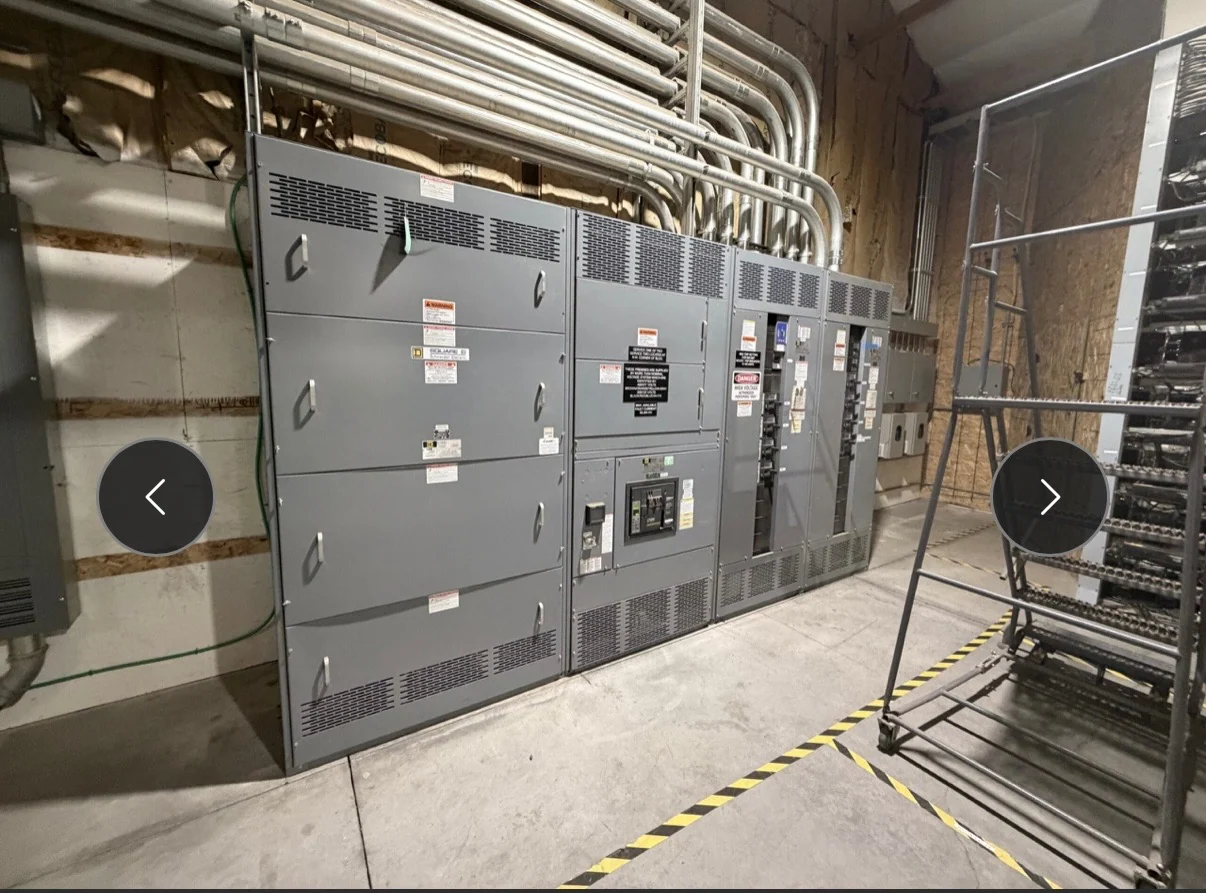
Industrial facilities in Idaho may use medium-voltage switchgear to receive utility power, distribute feeders across a site, and connect transformers serving process, motor, or building loads. A useful design begins with the one-line diagram, service arrangement, nominal voltage, frequency, phase configuration, grounding method, load schedule, and expansion assumptions. Switchgear Builders manufactures new electrical switchgear in the United States, custom to project specifications, using American components and supporting nationwide shipping. The equipment scope still requires review by the project engineer, utility, authority having jurisdiction, and qualified installers for the specific Idaho site.
Confirm Voltage Class and Feeder Ratings
Voltage class is not selected from a facility name alone. The design team should identify the system's nominal and maximum operating voltage, insulation requirements, grounding arrangement, continuous current, feeder load, transformer inrush considerations, and available fault current at each relevant bus. Breaker or switch duties, bus ratings, cable terminations, barriers, and clearances must align with the complete electrical system rather than an isolated device. For a project in Idaho, seasonal conditions, elevation, indoor or outdoor placement, and the actual installation environment may also affect the engineering review and enclosure decisions.
Coordinate Transformer Connections
Medium-voltage switchgear for industrial facility feeders often sits between an incoming source and one or more transformers. The equipment inquiry should identify transformer primary voltage, winding connection, impedance, neutral treatment, secondary arrangement, tap provisions, grounding transformer requirements if applicable, and the intended switching sequence. Cable entry direction, termination space, phase spacing, and physical access matter because a sound electrical concept can become difficult to install when the lineup does not match transformer locations. Provide the latest drawings and interface dimensions so a manufacturer can develop a custom configuration around the project's actual connections.
Build a Protective Relaying Basis
Protection for industrial feeders should be developed from a coordinated study, not from a generic relay package. Gather utility fault information, transformer data, feeder conductors, motor contributions, grounding details, breaker characteristics, load profiles, and downstream protective-device settings. The design can then define overcurrent, ground-fault, differential, undervoltage, or other functions where the engineer determines they apply. A quote request should state relay inputs, trip circuits, control power, communications, metering, alarms, and interlocks, while recognizing that final settings and operating logic belong to the responsible electrical design team.
Address Fault Duty and Physical Installation
Fault duty affects more than the interrupting rating of a circuit breaker. The specification should address available short-circuit current, momentary and withstand requirements where applicable, bus bracing, grounding paths, enclosure construction, cable compartments, arc-flash study inputs, and the relationship between source and downstream protection. Physical planning is equally practical: document room dimensions, working clearances, equipment movement paths, lifting provisions, floor conditions, cable bend space, ventilation, and environmental exposure. Idaho project teams should coordinate these details with the selected installer and site representatives before drawings are finalized.
Request a Project-Specific Manufacturer Quote
To request pricing for new Idaho switchgear, send the manufacturer the one-line diagram, equipment schedule, specifications, fault-study information, utility requirements, transformer interfaces, preferred control sequence, communications needs, physical constraints, shipping destination, and desired documentation. Ask the quote to identify included devices, drawings, testing, packaging, freight assumptions, exclusions, and approval steps so competing proposals can be compared on the same basis. It is also useful to identify who approves drawings, who supplies field cables and terminations, whether a witness test is requested, and how receiving access will be arranged. Switchgear Builders can build new custom equipment to the supplied requirements and ship nationwide; project-specific availability, delivery details, standards, and any UL 891 applicability or listing must be confirmed for the particular assembly.