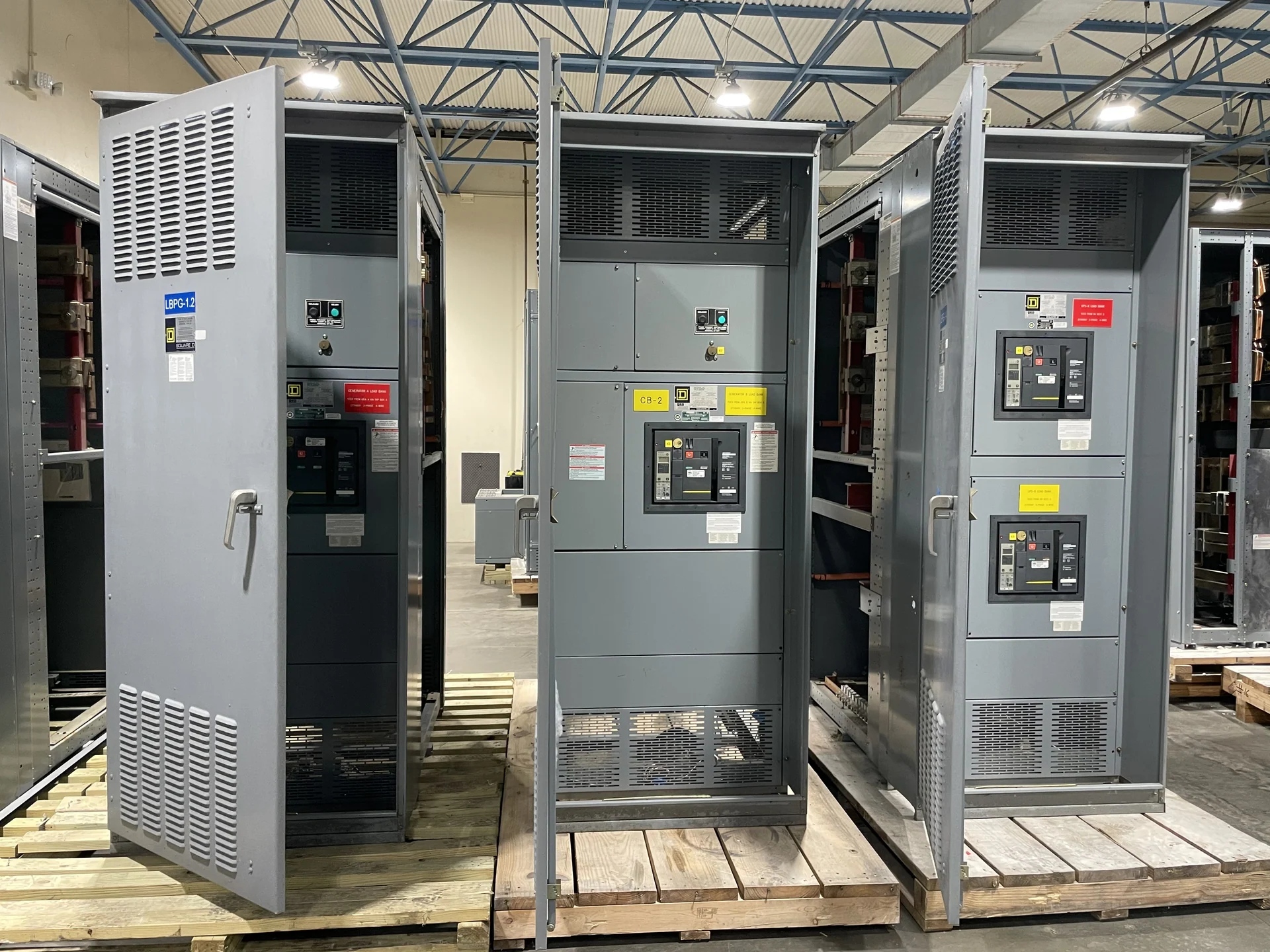
Start With the Healthcare Distribution Study
An Idaho Falls healthcare project should begin with a clear picture of how normal and alternate sources serve the facility, rather than with a preferred enclosure or transfer device. Map the service entrance, distribution buses, generators, transfer equipment, downstream panels, and essential branches. Identify which loads support life safety, critical care, communications, heating, refrigeration, elevators, and clinical operations. This Idaho Falls electrical distribution review gives the design team a basis for defining new switchgear, source ratings, feeder quantities, metering, controls, and physical interfaces without assuming that every existing circuit belongs on the emergency source. For an Idaho Falls site, ask the facility team to identify which patient-care areas cannot share an interruption window and which services can be transferred in stages. That distinction can change feeder grouping, transfer-device quantity, and the order in which emergency branches are restored.
Separate Essential Loads by Operating Consequence
Healthcare backup power design benefits from grouping loads by their operational consequence and required restoration sequence. A clinical area may need different treatment from a general receptacle panel, while pumps, air-handling equipment, nurse-call systems, imaging support, and data equipment can impose different starting or transfer conditions. Document normal current, starting characteristics, phase requirements, grounding arrangement, and any allowable interruption for each group. The resulting schedule helps an equipment manufacturer distinguish main distribution duties from transfer-related interfaces and prevents a broad label such as emergency power from hiding important electrical details.
Define the Transfer Sequence Before Selecting Equipment
A transfer sequence should describe what initiates source changeover, which source is accepted, how loads are connected, and what happens when the preferred source returns. The project team should address generator start signaling, source-available sensing, time delays, retransfer behavior, bypass or maintenance positions where applicable, and interlocking between sources. Consider whether large motors or sensitive electronic loads require staged reconnection. These decisions affect control wiring, protective coordination, compartment layout, labeling, and commissioning checks for distribution and transfer equipment for healthcare backup power. Review generator room interfaces, fuel-system controls, and remote annunciation with the responsible design disciplines; these signals may affect control terminals without establishing a particular equipment configuration. Record alarm naming conventions so field technicians can match drawings to the facility's operating procedures. Also record who can authorize manual transfer steps and where that authority is documented.
Coordinate Ratings, Protection, and Existing Interfaces
New switchgear for an expansion or replacement must fit the electrical duty and the physical reality of the Idaho Falls site. Gather available fault current, nominal voltage, frequency, phase and wire configuration, continuous load, feeder conductor information, grounding method, and protective-device settings. Compare those inputs with the existing lineup, transformer, generator, transfer equipment, and downstream gear. Also record bus orientation, cable entry, working clearances, equipment-room access, and connection points. A qualified engineer can then review interrupting duties, time-current coordination, selective operation goals, and any effects of future load growth before fabrication.
Plan Outage Work and Phased Installation
Healthcare replacement work requires an outage plan that is more detailed than a delivery date. Identify temporary source arrangements, allowable shutdown windows, isolation boundaries, switching authority, infection-control coordination, life-safety coverage, and verification steps before disconnecting existing equipment. A phased lineup may require clearly defined shipping sections, field joints, cable reconnection points, and a sequence that preserves agreed essential services. The owner, engineer, electrical contractor, facility operators, and manufacturer should review these interfaces early so a new custom assembly can be built to documented dimensions and installation constraints. Assign a responsible person to authorize each switching step and document the return-to-service checks.
Prepare a Complete Manufacturer Quote Package
For an Idaho Falls Idaho switchgear inquiry, send the manufacturer the one-line diagram, load and fault studies when available, equipment schedules, site conditions, room drawings, cable information, control narratives, transfer sequence, metering needs, and required submittal documents. Explain whether the project is new construction, an addition, or replacement, and identify the desired shipping destination and site access limitations. Switchgear Builders manufactures new electrical switchgear in the United States, builds custom to specification with American components, and ships nationwide. Project-specific requirements, applicable standards, and any requested listing or verification must be reviewed and confirmed for the particular assembly.