Planning an Overland Park Industrial Feeder Project
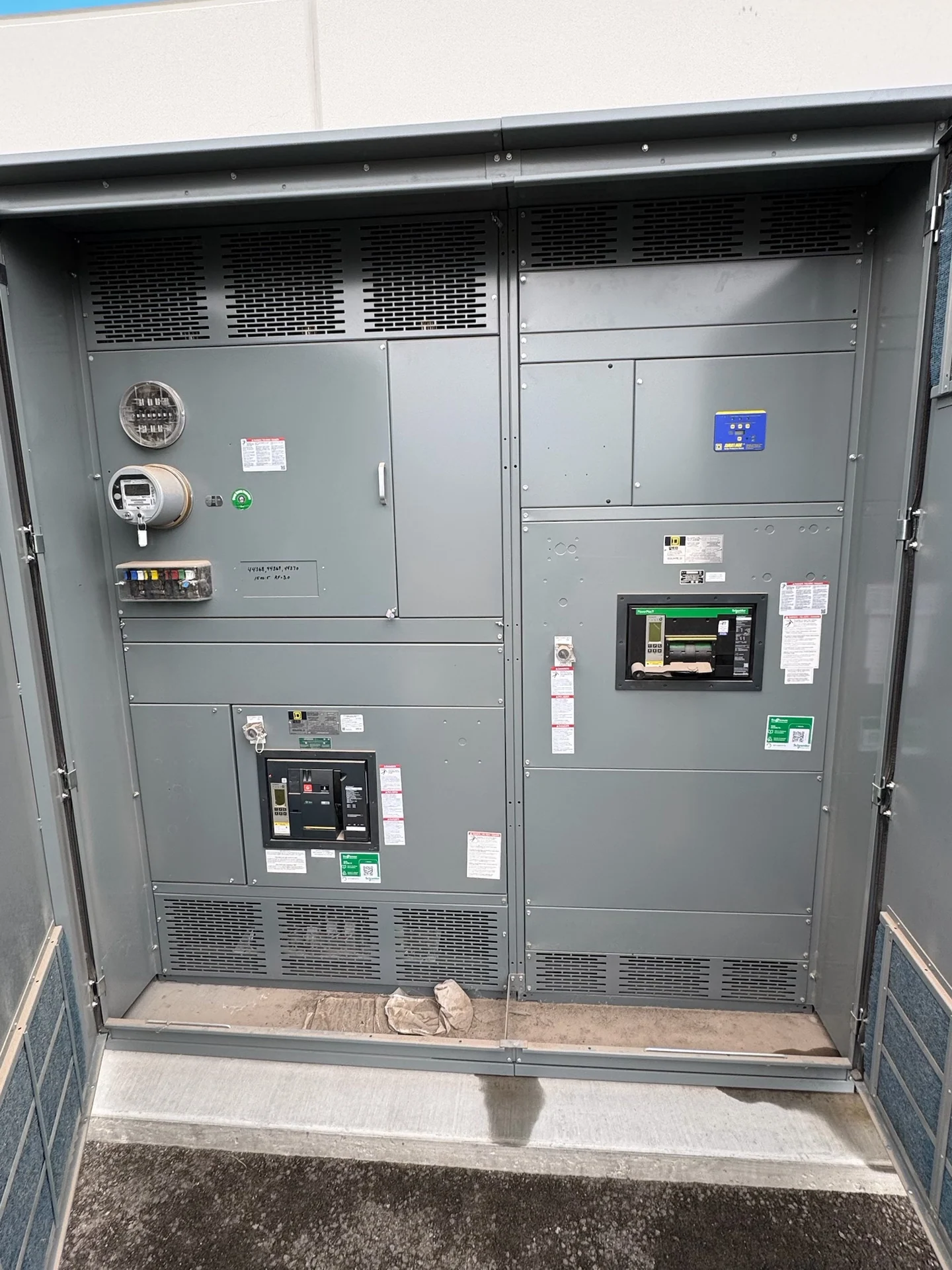
Industrial facilities in Overland Park may need medium-voltage switchgear to receive utility power, distribute feeders across a site, or connect a transformer serving lower-voltage loads. The right design begins with the facility one-line diagram, operating voltage, phase and frequency, grounding method, load calculations, expansion expectations, and installation environment. Feeder segmentation should also reflect which processes can be isolated, how maintenance boundaries are defined, and whether a planned outage affects one load or an entire production area. A manufacturer can build new electrical switchgear custom to those documented requirements, using American components and coordinating the equipment package for nationwide shipping. For an Overland Park project, confirm the delivery destination, coordination contacts, and field installation responsibilities with the parties involved.
Confirm Voltage Class and Insulation Requirements
Voltage class should be selected from the actual system conditions rather than from a product label alone. The design team should confirm nominal and maximum system voltage, grounding configuration, basic insulation level where applicable, power-frequency withstand needs, phase spacing, cable terminations, and the environmental conditions around the lineup. For an industrial feeder in Kansas, outdoor exposure, indoor electrical-room conditions, contamination, temperature, and access can all affect enclosure and insulation decisions. These inputs also help define switching devices, bus arrangement, barriers, and clearances before fabrication begins.
Coordinate Transformer Connections
Medium-voltage switchgear serving transformers must be coordinated at both sides of the connection. The equipment specification should identify transformer impedance, primary and secondary voltages, inrush considerations, grounding connections, feeder length, conductor type, and the protective devices assigned to the transformer circuit. The one-line should show whether the switchgear feeds one transformer, several transformers, or a looped arrangement, and should identify isolation points and operating procedures. A custom builder can use those details to align cable compartments, terminations, bus sections, control wiring, and access with the installation plan.
Evaluate Protective Relaying and Operating Logic
Protective relaying translates system studies into equipment functions, but relay selection should follow the engineered protection philosophy. Useful project information includes current-transformer ratios and classes, voltage-transformer needs, trip and close circuits, source status, breaker or switch duties, communications requirements, and the desired alarm points. The coordination study should establish settings and time-current relationships across utility, medium-voltage feeders, transformers, and downstream devices. Interlocks and permissive logic also deserve a written operating sequence so the assembled lineup reflects how qualified personnel are expected to isolate, transfer, and restore circuits.
Check Fault Duty Before Ordering
Available fault current is a central ordering input for industrial medium-voltage equipment. The engineer should provide the utility contribution, transformer impedance, generator or inverter sources where applicable, conductor lengths, grounding-fault assumptions, and the calculated duty at each relevant bus. The specification must distinguish interrupting capability from momentary or short-time withstand requirements and identify the device or assembly to which each value applies. If the facility will expand, future source changes and additional transformers should be considered during review. Final ratings, bracing, and protection choices remain project-specific engineering decisions.
Prepare a Complete Manufacturer Quote Request
A useful quote request for Overland Park electrical distribution should include the latest one-line, load schedule, site voltage and grounding data, fault-study values, transformer information, relay philosophy, enclosure location, cable-entry direction, dimensions, shipping destination, lifting constraints, and documentation expectations. Identify required drawings, bills of material, wiring diagrams, test records, applicable qualifications, and review milestones. Switchgear Builders manufactures new equipment in the United States, builds custom to specification, uses American components, and ships nationwide; project availability, scope, and logistics should be confirmed in the quotation process.